
-1.jpg) International Conference on Energy Transition and Sustainability 2026
International Conference on Energy Transition and Sustainability 2026
–The 4th ISETS International Conference
Theme: The 2030 Energy System: Energy Transition in the Age of Artificial Intelligence“
21-24 August, 2026
Beijing, China
The International Conference on Energy Transition and Sustainability 2026 (ISETS 2026) -the 4th ISETS International Conference will be held in Beijing, China, from August 21 to 24, 2026, at the Sinopec International Conference Center in Changping District, Beijing.
Centering on the global trends of energy transition amid the rapid development of artificial intelligence, the conference focuses on the structural transformation of the future energy system, energy security, critical minerals, carbon neutrality pathways and other key topics, and builds a high-level international academic exchange platform.
The conference venue, Changping, is home to iconic landmarks including the Great Wall and the Ming Tombs, offering attendees a distinctive cultural experience. Meanwhile, well-endowed with cutting-edge innovation clusters such as Beijing Future Science City and Energy Valley, the district features prominent strengths in energy technology R&D and low-carbon industrial development. The venue perfectly integrates time-honored heritage, modern scientific vitality and professional energy industry resources, building a high-end international platform for in-depth academic exchanges and collaborative exploration of sustainable energy futures worldwide.
Click the link below to download the invitation letter: Invitation letter-Online
Conference Theme and Call for Paper Topics:
The 2030 Energy System: Energy Transition in the Age of Artificial Intelligence
Focusing on the structural transformation of the energy system around 2030, this conference will conduct in-depth discussions on AI-driven growth in electricity demand, deep decarbonization and system restructuring, and solicit papers openly from scholars at home and abroad.
The paper topics include but are not limited to the following areas:
- Economics, Policy and Finance of Energy Transition
- Carbon Neutrality Pathways, Scenario Modeling and AI-aided Decision Making
- Low-carbon Transition of Fossil Energy and Integrated Development of New Energy
- Correlation Mechanisms of Energy, Carbon, Power and Stock Markets
- AI-driven Power Demand Growth and Load Forecasting
- Energy Security, System Risks and Digital Resilience
- Green Finance, Energy Investment and Technological Innovation
- Energy Pricing, Market Mechanisms and Intelligent Dispatching
- Environmental Impact, Governance and ESG
- Social Impact and Management of Energy Transition
- Technological Innovation, Artificial Intelligence and Demonstration Applications
- Critical Minerals, Digital Supply Chains and Energy Transition
- Built Environment, Terminal Electrification and Intelligent Energy Systems
- Sustainable Aviation Fuel (SAF) and Low-carbon Transportation
- Power Market Reform, Digital Power Grids and Power System Transformation
- Transformation of Fossil Energy Power Generation and Asset-level Orderly Exit Mechanisms
The conference encourages the integration of interdisciplinary research, model-driven analysis, artificial intelligence methodologies with policy-oriented research, and promotes the integrated development of theoretical innovation and practical application.
Organisers:
International Society for Energy Transition Studies (ISETS)
China University of Petroleum (Beijing)
Co-Organiser:
Hong Kong University of Science and Technology (Guangzhou)
(Further details on the organisational structure will be announced in the Second Announcement.)
Honorary Conference Chairs
Nobuo Tanaka, Co-Chairman, ISETS; Executive Director Emeritus, International Energy Agency
Xiansheng SUN, Co-Chairman, ISETS; Former Secretary General, International Energy Forum, China
Yan JIN, President, China University of Petroleum, Beijing
Conference Chairs
Xunpeng (Roc) SHI, ISETS President; Professor, University of Technology Sydney (UTS), Australia
Jianliang Wang, Dean, School of Economics and Management, China University of Petroleum, Beijing
Scientific Committee
Chairs
Members
Weerawat CHANTANAKOME, Ministry of Energy, Thailand
James CHEONG, Hang Seng University of Hong Kong, China
Phoumin HAN, Economic Research Institute for ASEAN and East Asia (ERIA)
Kebing He, Tsinghua University, China
Satoshi Honma, School of Political Science and Economics, & Executive Director, TRIES, Tokai University, Japan
Llewelyn HUGHES, Australian National University, Australia
Shabbir H. GHEEWALA, Joint Graduate School of Energy and Environment (JGSEE), Thailand
Fukunari KIMURA, IDE-JETRO, Japan
Tatiana MITROVA, Columbia University, USA
Victor NIAN, Centre for Strategic Energy and Resources (CSER), Singapore
Jinho PARK, Korea Energy Economics Institute (KEEI), South Korea
Maxensius Tri SAMBODO, Indonesian Institute of Sciences, Indonesia
Vinod SHARMA, Indira Gandhi Institute of Development Research (IGIDR), India
Yongping SUN, Huazhong University of Science and Technology, China
Fushuan WEN, Director of the Institute of Power Economics and Information, Zhengjiang University, China
Jinjun XUE, Professor and Director, Nagoya University and SinoCarbon Carbon Neutral Innovation Joint Laboratory
Naoyuki Yoshino, Professor Emeritus, Keio University, & Chief Advisor, Financial Research Center, FSA (Financial Services Agency), Government of Japan
Jian YU, Central University of Finance and Economics, PR China
Yongping ZHAI, Tencent, China
Dayong ZHANG, Professor, Southwestern University of Finance and Economics, China
Program Committee
Chairs
Qiang JI, Chinese Academy of Sciences, China
Members
Xingyu DAI, Nanjing University of Aeronautics & Astronautics
Yanfang ZHANG, Nanjing University of Aeronautics & Astronautics
International Organising Committee
Chair
Muyi YANG, Ember, UK
Members
Pei Duan, Shanxi University of Finance and Economics
Local Organising Committee
Chairs
Daniel del Barrioalvarez, University of Tokyo
Taghizadeh Hesary Farhad, Tokai University
Members
Guest of Honour and Keynote Speaker

Ross Garnaut AC
Professor Emeritus, University of Melbourne and The Australian National University; Co-founder and Director, The Superpower InstituteProfessor Ross Garnaut AC is one of Australia’s leading economists, with a distinguished career spanning academia, public policy, diplomacy, and business. He is Professor Emeritus in Business and Economics at the University of Melbourne and of Economics at The Australian National University. He has held senior roles across Australian and international institutions. His work has focused on economic development, international relations, climate change, and Australia’s engagement with Asia and the Pacific. He served as Australian Ambassador to China from 1985 to 1988 and as principal economic adviser to Prime Minister Bob Hawke. He prepared the report presented in 1989 to the Prime Minister and Foreign Minister “Australia and the Northeast Asian Ascendancy”, which guided many aspects of Australian international economic policy through the 1990s and into the early twenty first century. He led the influential Garnaut Climate Change Review and later advised the Multi-Party Parliamentary Climate Change Committee. From 2002 t0 2012 he was Director and Chair of the International Food Policy Research Institute. Professor Garnaut is a Fellow of the Australian Academy of Sciences, a Distinguished Fellow of the Economic Society of Australia, an Honorary Life Member of the Australian Agricultural and Resource Economics Society and an Honorary Professor of the Chinese Academy of Social Sciences. He is the author or editor of 50 books and is also Co-founder and Director of The Superpower Institute.
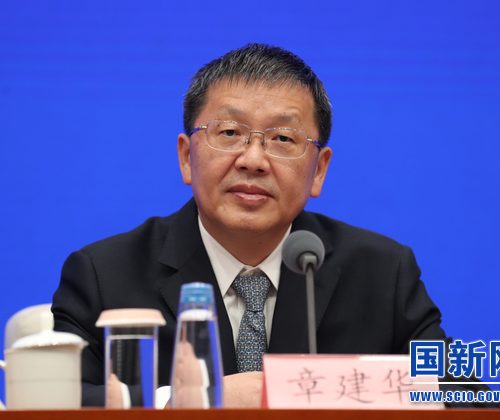
Jianhua Zhang (章建华)
Administrator,China’s National Energy Administration (NEA) (2018 - 2024)Dr. Jianhua Zhang holds a Doctor of Engineering degree and is a professor-level senior engineer. He served as Administrator of China’s National Energy Administration (NEA) from 2018 to 2024, having previously held senior leadership positions at Sinopec and CNPC.
During his six-year tenure at the NEA, Dr. Zhang spearheaded national efforts to ensure energy security, accelerate the green and low-carbon energy transition, and promote high-quality energy development. Under his leadership, China achieved significant milestones in renewable energy expansion and power market reform.
Dr. Zhang has been formally invited as an Honorary Guest of the 4th ISETS International Conference in Beijing, where he will deliver a keynote address at the opening ceremony. His extensive experience in energy policy and international cooperation offers invaluable insights for conference participants.
Keynote Speakers
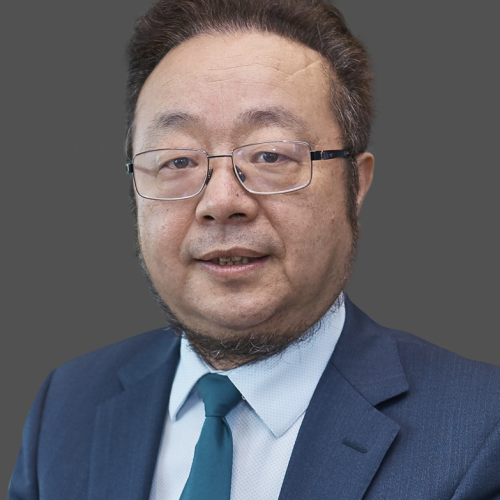
Kebin He (贺克斌)
Dean, Institute for Carbon Neutrality, Tsinghua UniversityHe Kebin is a professor of the School of Environment and Dean of the Institute for Carbon Neutrality at Tsinghua University, Academician of Chinese Academy of Engineering; Vice Chairman of the National Expert Committee for Ecology and Environmental Protection; the Chairman of the National Teaching Steering Committee on Environmental Science and Engineering. Prof. He focused on the research of complex air pollution. He conducted researches on the fields of the identification of particulate matters and complex air pollution, characterization of complicated emission sources and multi-pollutant control, and the coordinated control of air pollution and greenhouse gases. He was selected as Elsevier Most Cited Chinese Researchers in 2014-2023 and Clarivate Global Highly Cited Researchers in 2018-2023.

Weerawat Chantanakome
Ministry of Energy, ThailandDr. Weerawat Chantanakome is the Ministry Counselor for International Affairs at Thailand’s Ministry of Energy. Previously, he served as Chief Executive Officer (CEO) of the Brunei National Energy Research Institute (BNERI) and as Senior Team Leader at the Asia-Pacific Energy Research Centre (APERC). From 2004 to 2009, he was the Executive Director of the ASEAN Centre for Energy (ACE). With over 25 years of experience, Dr. Weerawat has led multi-disciplinary energy projects with major organisations such as the United Nations, World Bank, Asian Development Bank (ADB), International Energy Agency (IEA), and International Renewable Energy Agency (IRENA).

Ying Fan(范英)
Beihang University; Incoming President, International Association for Energy EconomicsFan Ying is the Dean of the School of Economics and Management at Beihang University.With extensive experience in management science and systems engineering research, her academic focus encompasses energy economics, energy finance, and complex systems.Her research has made significant contributions to modeling energy-environment-economy systems, forecasting and policy analysis, energy market simulation and risk management, climate policy and carbon trading, as well as complex system analysis and modeling methodologies. She has led multiple national-level research initiatives, including the National Natural Science Foundation of China’s Innovative Research Group Project, Key Project, Major Project, National Key R&D Program, National Science and Technology Support Program, National Science Fund for Distinguished Young Scholars, and major international cooperation projects. Additionally, she has undertaken over 80 commissioned research projects from government ministries, large enterprises, financial institutions, and international organizations. Her publications include more than 300 academic papers in prestigious domestic and international journals, with over 200 indexed by SCI/SSCI, and 15 authored books. She has also submitted multiple policy advisory reports to relevant national authorities.

Llewelyn Hughes
Director, Institute for Climate, Energy, and Disaster Solutions (ICEDS), Australian National UniversityDr. Hughes is a Professor at the Crawford School of Public Policy, Australian National University (ANU) and senior consultant in energy & environment for GR Group, a government affairs and public policy consultancy headquartered in Tokyo. His academic work is on how public policies affect, and are affected by, the low-carbon energy transition, with a particular focus on the Asia-Pacific region. An ongoing project examines how the rise of Global Value Chains affect the ability of governments to promote green growth industries. Before joining the ANU Dr. Hughes worked at the Elliott School of International Affairs at George Washington University (GWU) in Washington DC, and before that the Consortium for Energy Policy Research at the John F. Kennedy School of Government, Harvard University. He has also been a visiting fellow at the Institute of Advanced Sustainability Studies in Potsdam, the Environmental Policy Research Centre (Forschungszentrums für Umweltpolitik) at Freie Universität, the Centre of Geopolitics of Energy and Raw Materials (CGEMP) at Université Paris Dauphine, Tokyo Foundation, Japan Business Federation (Keidanren), and the Japan Institute for Energy Economics (IEEJ).
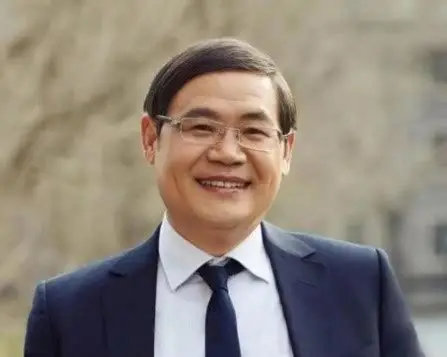
Jiahua Pan (潘家华)
Vice Chair, National Expert Panel on Climate Change; Professor, Hong Kong University of Science & Technology (GuangZhou)PAN Jiahua, Professor, Hong Kong University of Science & Technology (GuangZhou), and Special Advisor to the President of HKUSTGZ; Vice chair, China’s National Expert Panel on Climate Change. Lead author, IPCC Working Group III on Mitigation (AR6, 2021), Member, Independent Group of Scientists (appointed by UN Secretary General) for preparation of Global Sustainable Development Report 2023. Former director-general, Institute of Eco-civilization Studies, Chinese Academy of Social Sciences (2008-2020); director, Institute of Eco-civilization Studies, Beijing University of Technology (2021-2025); member of Foreign Policy Advisory Group (2010-2014), Ministry of Foreign Affairs; President, Chinese Society of Urban Economists (2918-2023). Research areas including on sustainable development economics, energy & climate policy studies, and new thinking in ecological economics. 16 books and over 300 papers published in both English and Chinese. As a member of the IPCC awarded Nobel Peace Prize 2007, Sun Yefang Prize of Economic Science (2010).

Dan Shi(史丹)
Chinese Academy of Social SciencesProfessor Dan Shi focuses on industrial and energy economics, as well as green and low-carbon development. She has led over 100 major projects funded by the National Social Science Fund and published more than 150 papers in journals such as Economic Research, along with over 30 monographs. She has received more than 30 academic awards, including the Outstanding Scientific Research Achievement Award from the Chinese Academy of Social Sciences. In 2024, she led a team to Shishi to investigate the operation of the private economy and participated in a corporate symposium. In 2025, she delivered a keynote speech at a forum hosted by the China Electronic Information Industry Development Research Institute. As the Director of the Industrial Economic History Committee of the China Industrial Economics Society, she has organized and promoted systematic research on industrial economic history.
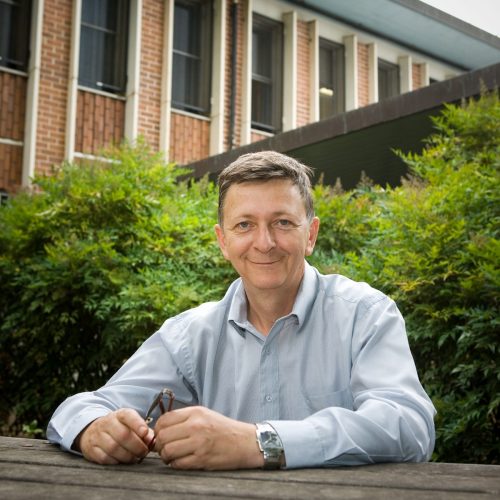
Igor Skryabin
Emeritus Professor, Australian National UniversityDr Skryabin’s career spans both industry and academia. His research has focused on solar technologies and the integration of renewable energy and storage. He holds dozens of patents and industrial designs and has authored over 100 research papers. A 2010 review of Australian solar patents identified him as the second-most cited solar inventor in Australia. Dr Skryabin has made a significant contribution to energy transition education, as founding convenor of the Master of Energy Change at ANU and several related courses delivered in Australia and internationally. He is a member of the ACT Government’s Industry Advisory Board and of number of private companies and start-ups.
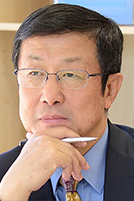
Xiansheng Sun (孙贤胜)
Chairman, ISETS Council; Former Secretary-General, International Energy Forum (IEF)Dr. Xiansheng Sun is the Chairman of the International Society for Energy Transition Studies (ISETS) and previously served as the fourth Secretary-General of the International Energy Forum. He has extensive experience with the China National Petroleum Corporation (CNPC), where he played a pivotal role in negotiating and signing numerous collaborative contracts for projects both domestically and internationally. Additionally, Dr. Sun served as President of the CNPC Research Institute of Economics and Technology (RIET), the corporation’s think tank, until the end of 2015.
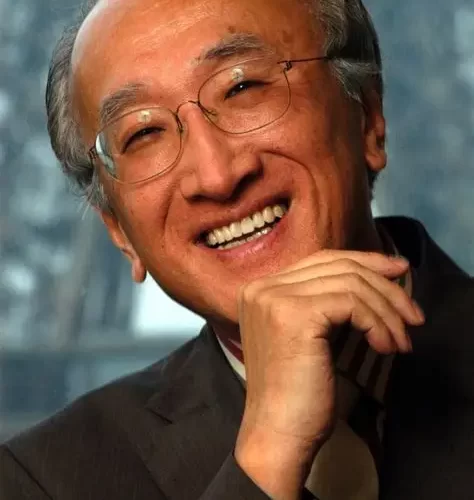
Nobuo Tanaka
Co-Chair, ISETS Council; Executive Director Emeritus, International Energy Agency (IEA)Nobuo Tanaka is the Executive Director Emeritus of the International Energy Agency (IEA) and currently serves as Chairman of the steering committee for the Innovation for Cool Earth Forum (ICEF). As IEA’s Executive Director (2007-2011), he led the collective release of oil stocks in 2011. Beginning his career in 1973 at Japan’s Ministry of Economy, Trade, and Industry (METI), he held key roles, including Director-General of the Multilateral Trade System Department. As Minister for Industry, Trade, and Energy at Japan’s Embassy in Washington DC, he addressed major US-Japan trade issues. He also twice served as Director for Science, Technology, and Industry at the OECD in Paris. Now CEO of Tanaka Global Inc, he advises Japanese and international companies.

Shouyang Wang(汪寿阳)
Chinese Academy of SciencesWang Shouyang has served as Executive Deputy Director of the Management Science Department of the National Natural Science Foundation of China, Party Secretary and Vice President of the Institute of Mathematics and Systems Science of the Chinese Academy of Sciences, Dean of the School of Economics and Management of the University of Chinese Academy of Sciences, President of the International Society for Knowledge and Systems Science, President of the China Society for Systems Engineering, Vice President of the International Association for Financial Risk Management, Expert of the Management Science and Engineering Discipline Evaluation Group of the State Council Academic Degrees Committee, Member of the National Postdoctoral Expert Management Committee of the Ministry of Personnel, Member of the National Outstanding Youth Fund Review Committee, Expert of the National Social Science Fund Discipline Review Committee, Member of the National Soft Science Guidance Committee, Member of the Expert Committee of the National 973 Program of the Ministry of Science and Technology, Member of multiple committees/expert groups of the China Association for Science and Technology, and Member of multiple expert committees of government departments such as the National Development and Reform Commission and the Ministry of Commerce.
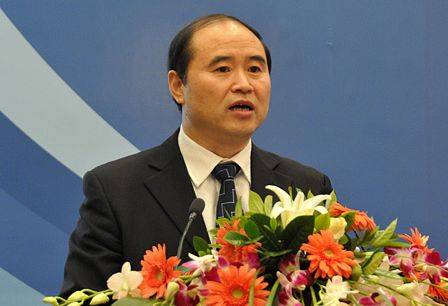
Yin Wu (吴吟)
FORMER DEPUTY DIRECTOR OF NATIONAL ENERGY ADMINISTRATION, CHINAYin Wu holds a Ph.D. in Management and is a Senior Economist with extensive expertise in the energy sector, with a long-standing focus on energy strategy and planning. With rich experience in the field, he has led research projects that have received over ten provincial and ministerial awards, and his policy recommendations have been acknowledged by leaders of the State Council more than ten times. He has held several prominent positions, including Deputy Director of the Energy Department of the National Development and Reform Commission, Chief Engineer of the National Energy Administration, Deputy Director of National Energy Administration, and Research Fellow of the Counselors’ Office of the State Council. Under his leadership, the Administration has been responsible for drafting and reviewing laws and regulations related to energy development and its supervision, implementing energy development strategies, and addressing major issues. Additionally, during his tenure, the Administration proposed industry policies and relevant standards for coal, petroleum, natural gas, electricity, and renewable energies. His leadership and decision-making have had a profound impact on the development of China’s energy industry.
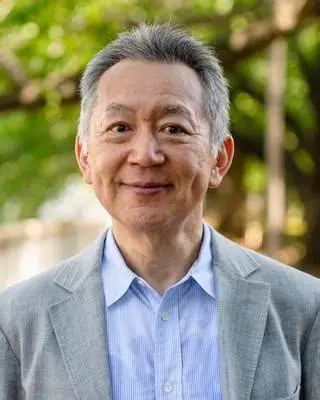
Hisashi Yoshikawa
University of Tokyo, JapanMr Hisashi Yoshikawa is a Project Professor at the Graduate School of Public Policy, University of Tokyo, and is affiliated with the Policy Alternatives Research Institute. Prior to joining the university in September 2011, he held positions at prominent organizations. He served as Senior Advisor for Long-Term Policy at the International Energy Agency (IEA) and as Deputy Director of the Directorate of Science, Technology and Industry (STI) at the Organisation for Economic Co-operation and Development (OECD). Additionally, he gained experience working in the Ministry of Economy, Trade and Industry (METI) of the Japanese Government, where he held directorial roles including Director of the Service Affairs Policy Division and Director of the Petroleum Distribution Division. Mr. Yoshikawa’s expertise lies in policy planning and implementation, with a focus on the energy sector. He obtained a master’s degree from the John F. Kennedy School of Government, Harvard University, in 1987 and a bachelor’s degree in law from the University of Tokyo in 1981. Currently, he also serves as an Advisor for the Sasakawa Peace Foundation (SPF) and a Senior Research Fellow at the Canon Institute for Global Strategy (CIGS).
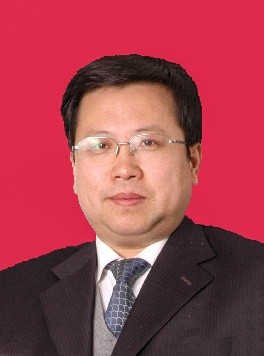
Lixin Tang (唐立新)
Vice President, Northeastern UniversityProfessor Lixin Tang is an IEEE Fellow, a member of Chinese Academy of Engineering, a Vice President of Northeastern University, China (in charge of scientific research and industrial cooperation affairs), the Principal of National First-level Key Discipline of Control Science and Engineering (automation) at Northeastern University. He is the Director and Chair Professor of the National Frontiers Science Center for Industrial Intelligence and Systems Optimization at Northeastern University. He is also a Deputy to the 14th National People’s Congress, and the President of International Federation of Measurement and Control of Granular Materials. He currently serves as an Associate Editor of IISE Transactions, IEEE Transactions on Cybernetics, Journal of Scheduling, and International Journal of Production Research. Meanwhile, he is on the Editorial Board of Annals of Operations Research, and serves as an Area Editor of Asia-Pacific Journal of Operational Research. His paper published on IISE Transactions received the Best Applications Paper Award of 2017.
Publication Opportunities
Journal Special Issues
Selected high-quality papers will be invited for submission to this Special Issue, subject to peer review.
[1] Economic Analysis and Policy (SSCI Q1, A/ABDC)
Guest Editors: Prof. Xunpeng Shi (UTS), Prof. Feng Wang (Chongqing University), Prof. Jian Yu (CUFE),
Submission Deadline: 30 June 2026
[2] Economic Systems (SSCI Q1, B/ABDC)
Guest editors: Yu Hao, Mariya Gubareva., Xunpeng (Roc) Shi.
Submission Deadline: 31 January 2027
Link: Economic Systems | ScienceDirect.com by Elsevier – Economic Systems | ScienceDirect.com by Elsevier
[3] Frontiers in Environmental Science (SCIE Q2)
“Navigating Socioeconomic Complexities in the Global Energy Transition”
Topic Editors: Dr. Tsun Se Cheong (Hang Seng U.), Prof. Xunpeng Shi (UTS), Prof. Jian Yu (CUFE)
Submission Deadline: 14 August 2026
Link: Frontiers | Navigating Socioeconomic Complexities in the Global Energy Transition
[4] Energy Engineering (EI)
“Science, Engineering, and Policy Innovations Driving the Global Energy Transition”
Guest Editors: Prof. Xunpeng Shi (UTS), Prof. Fushuan Wen (Zhejiang Univeristy, IEEE Fellow), Asso Prof. Kaveh Khalilpour (UTS)
Submission Deadline: 30 November 2026
“Carbon Finance for Climate Resilience: Market Design, Revenue Recycling, and Footprint-Informed Adaptation Pathways“
Guest Editors: Prof Yu Liu, Prof Lin Zhang
Submission deadline: 30 Nov 2026
Link: Carbon Footprints – OAE Publishing Inc.
[6] Energy and Climate Management
“Pathways for Power Transition towards China’s 2035 NDCs”
Guest editors: Xunpeng Shi, Muyi Yang, Jiahai Yuan
Deadline: August 31, 2026
Submissions address: https://mc03.manuscriptcentral.com/jecm
[7] International Journal of Climate Change Strategies and Management (SSCI)
“AI as an Innovator for Green Growth and Climate Governance Reform”
Guest editors: Yunfei An (Henan University, China), Nophea Sasaki (Sasin School of Management, Thailand), Xueqi Zhai (Henan University of Economics and Law, China)
[8] Discover Sustainability
“New Business Models for Ecological Resilient Cities and Sustainable Development”
Guest editors: Shulei Cheng, Phuong Tra Tran
Deadline: 19 February 2027
Submissions address: https://link.springer.com/collections/cichebbaif
[9] Discover Sustainability
“Digital Technologies & Innovation for Sustainability: From Startups to Systemic Change”
Guest editors: Nophea Sasaki (Sasin School of Management), Stefano Starita (Sasin School of Management), Pinnaree Tea-makorn (Sasin School of Management), Harry Jay Cavite (Sasin School of Management)
Deadline: 30 September 2026
Submissions address: https://link.springer.com/collections/daedgjhegb
Strategic Partner Journals
-
Journal of Global Information Management (ABDC-A)
-
Journal of Organizational and End User Computing (ABDC-B)
Editors will participate in dedicated sessions, and selected papers may be fast-tracked for review.
Outstanding papers will also have the opportunity to be recommended for publication in the Journal of Chinese Economic and Foreign Trade Studies (SSCI)
Please note: Participation does not automatically guarantee publication. All submissions must meet the standard requirements of the respective journals.
Important dates:
-
Abstract submission deadline: 30 May 2026
-
Notification of acceptance: 15 June 2026
-
Special Concurrent Session proposal deadline: 15 July 2026
-
Early bird registration deadline: 30 June 2026
-
Registration deadline for programme inclusion: 15 July 2026
Conference Schedule
-
Registration & Arrival: 21 August 2026
-
Pre-conference Workshop: 21 August 2026
-
Main Conference: 22–23 August 2026
-
Technical Visit / Study Tour: 24 August 2026
Submission and Registration Guide
Please note that all attendees (except for “Call for Special Concurrent Session” participants), whether making a presentation or not, need to go through the submission process.
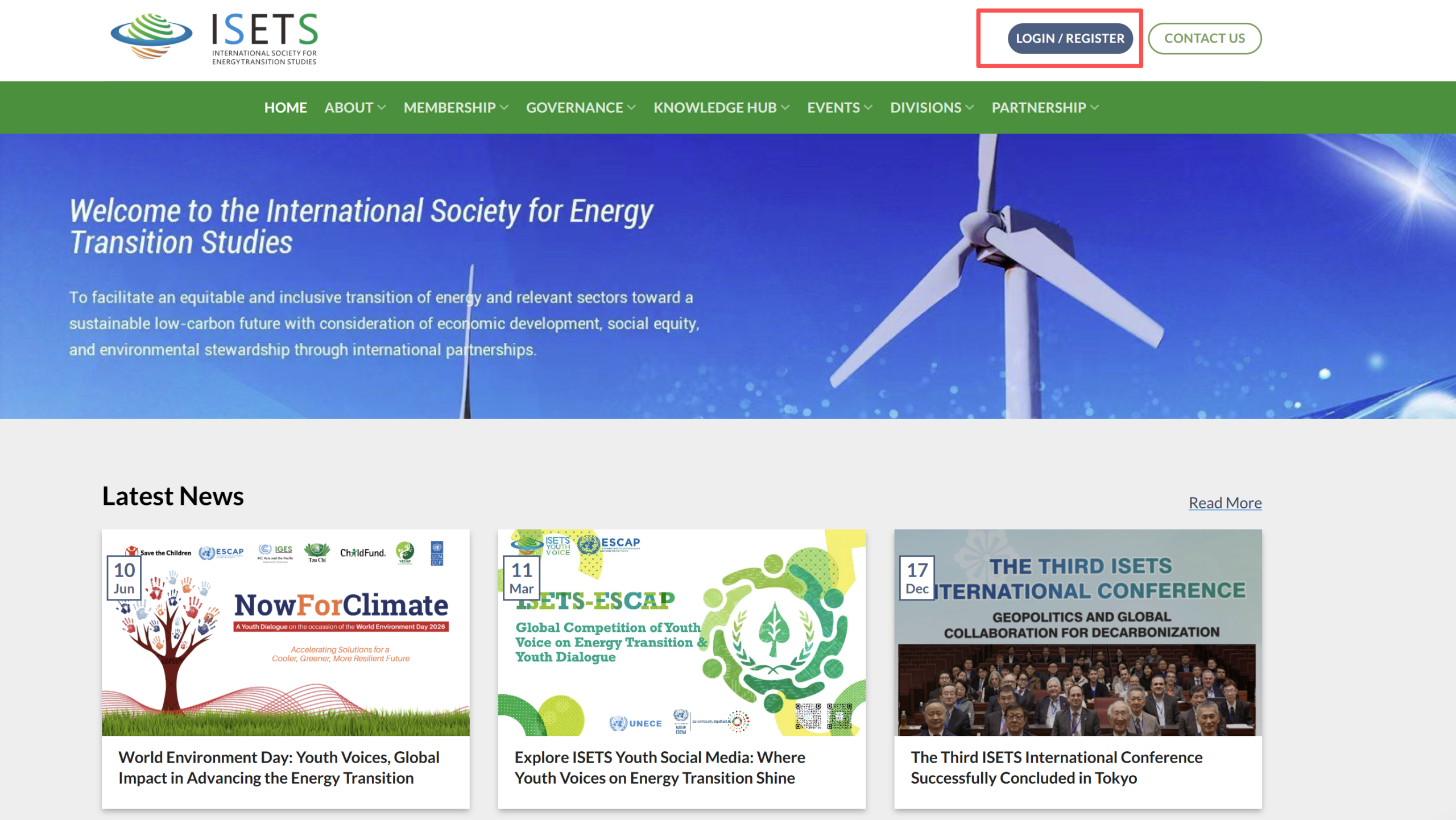
Setp 1: Log in to or register for an ISETS membership account.
Click the “LOGIN/REGISTER” button in the upper left corner of the webpage to log in to or register for your ISETS membership account.
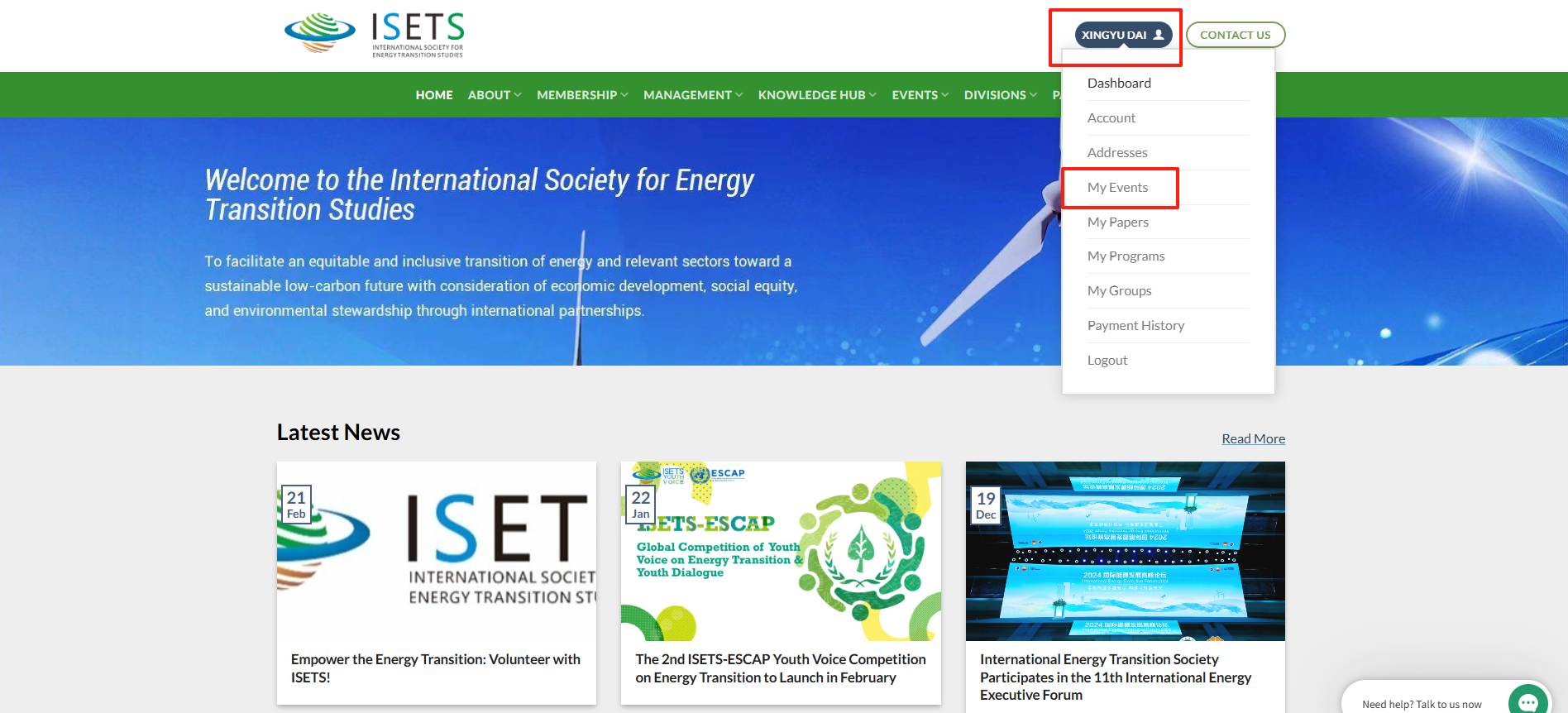
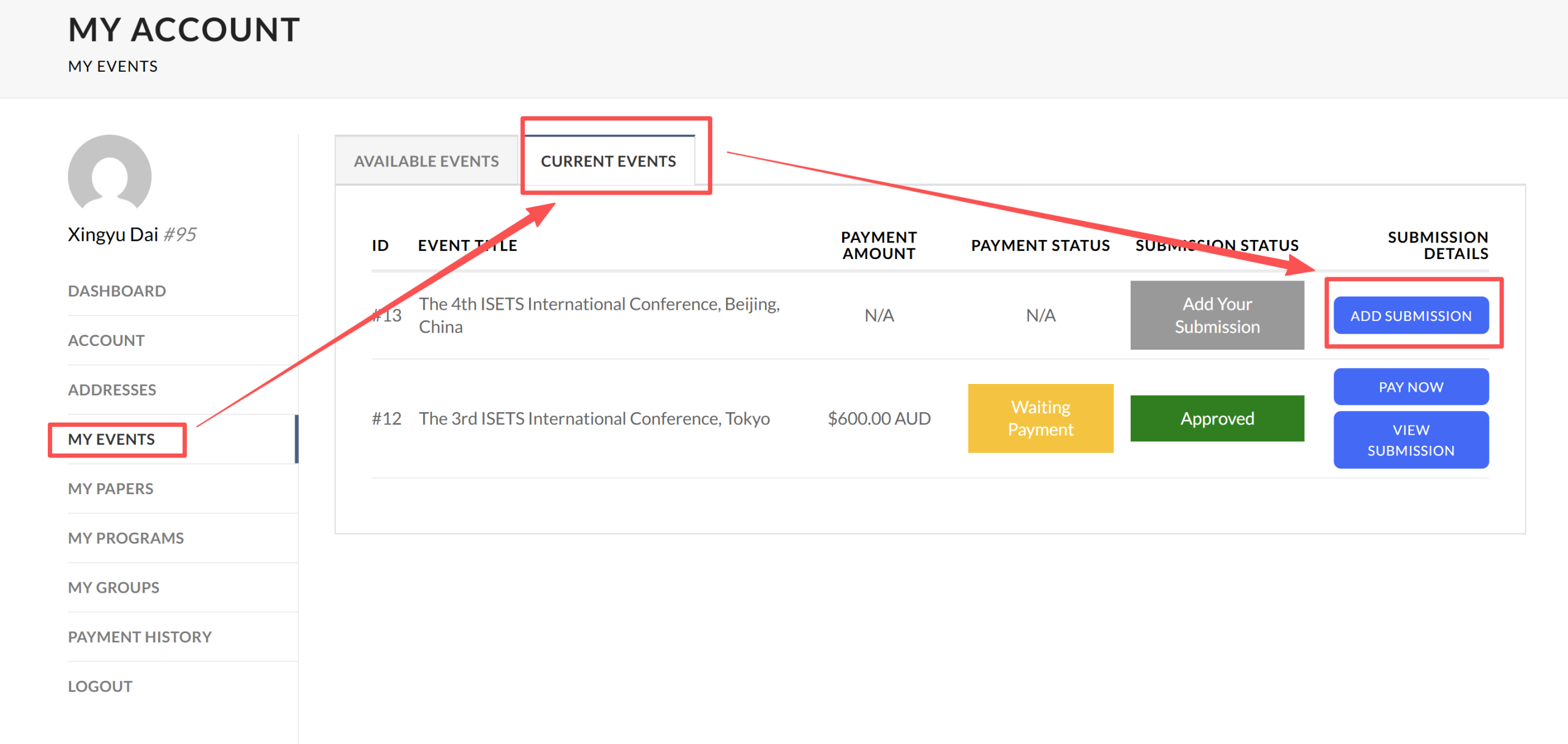
Click on the “Personal Account” section in the upper right corner of the webpage. (If this is your first time registering, your personal name will be displayed as “[Empty Empty]” instead of your “[First name Given name]”. You only need to click on “ACCOUNT” in the “Personal Account” section to modify it.) Then, click on “My Events” to submit your paper and register for attendance. In “My Events,” select “The 4th ISETS International Conference” under “AVAILABLE EVENTS” and click on “Register Now.”
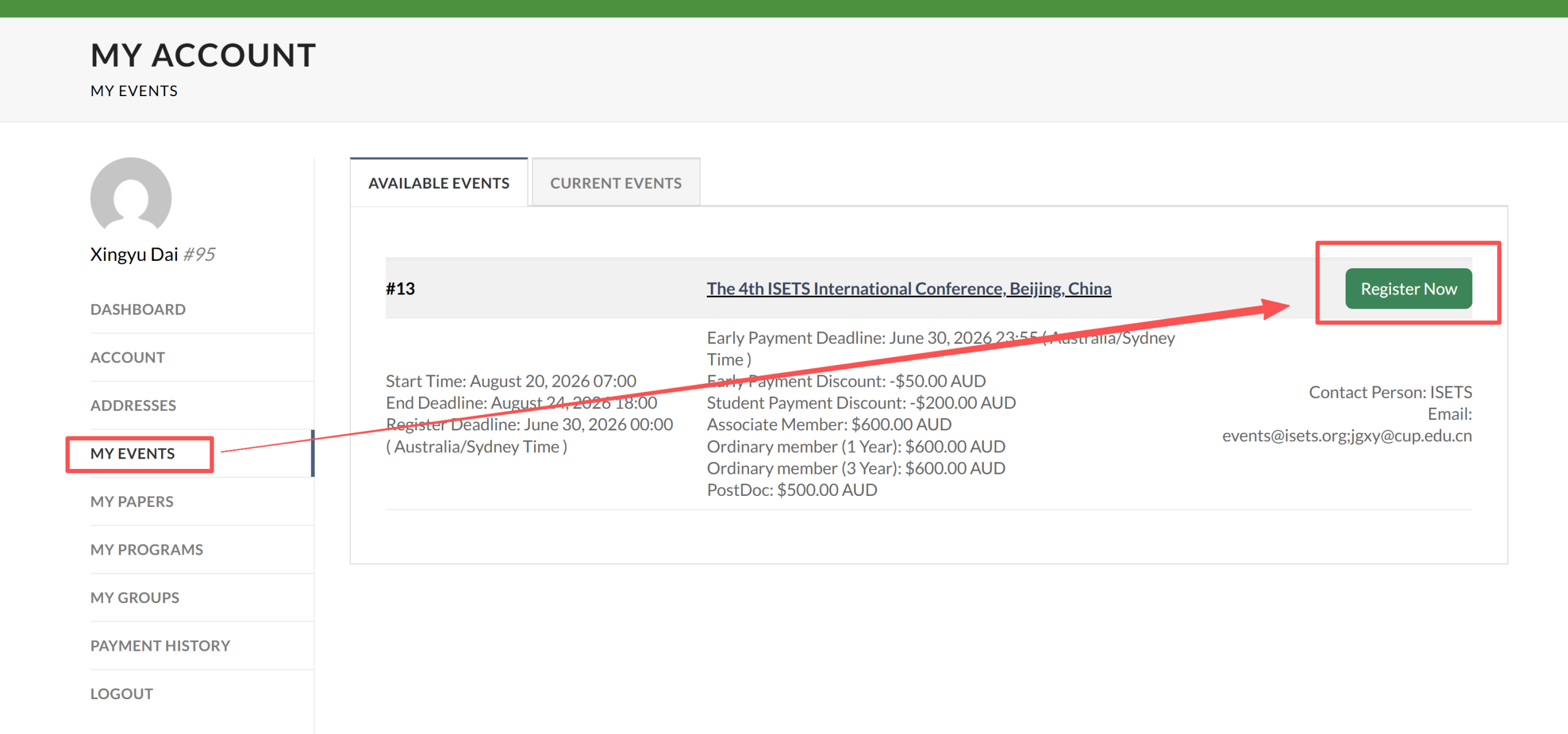
You need to refresh the webpage and click on “CURRENT EVENTS” in the “MY EVENTS” section. You will then find an additional event titled “The 4th ISETS International Conference” If this event title does not appear, please refresh the webpage again until it does. Then, click on the blue button labeled “ADD SUBMISSION.”
Setp 2: Step for individual participants who are only attending the conference without making a presentation
Please write down “I attend the ISETS International Conference without presenting” in the “Title” and “Abstract” blanks. Please also fill in the remaining blanks with your information.
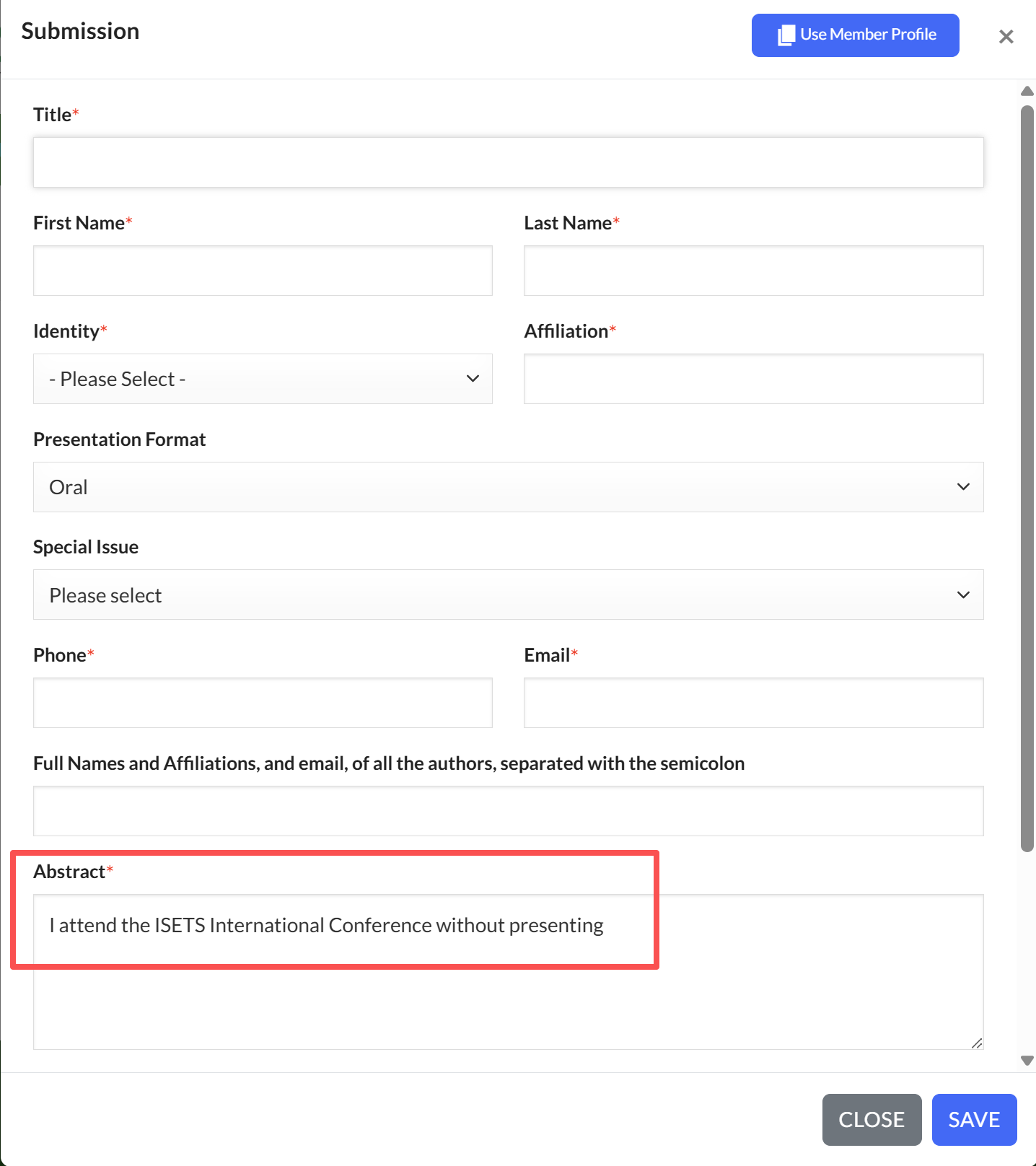
You may upload a blank (newly created) Word file in the “Files” field.

Once you have filled in all the submission information, click “SAVE” to complete the process.
Setp 3: Step for individual participants who are both attending the conference and making a presentation
Please complete all required information and submit your manuscript using the abstract template. If the download link for the Abstract Template does not appear, you can either refresh the webpage or click here to download it. Once you have filled in all the submission information, click “SAVE” to complete the process.
Setp 4: Pay the conference fee
After completing the submission information, the submission information in the “CURRENT EVENTS” section of your “MY EVENTS” column will be updated as shown in the figure below. The “SUBMISSION STATUS” will change to a gray “To be determined” button. At this point, the ISETS conference committee will review your submission and decide whether to accept or reject it.

After received an accepted email from ISETS2026 office. Your “SUBMISSION STATUS” will update to green “Approved”, and you can click “PAY NOW” to pay the conference fee. However, if you receive a rejected email from ISETS2026 office, you cannot find a “PAY NOW” button.

Please feel free to contact us when you meet any problems.
Email: events@isets.org; jgxy@cupb.edu.cn
Please note that all attendees(except for “call for session” participants), whether making a presentation or not, need to go through the submission process. Please see the Submission Guide column firstly.
Registration Fees for Conference Participation:
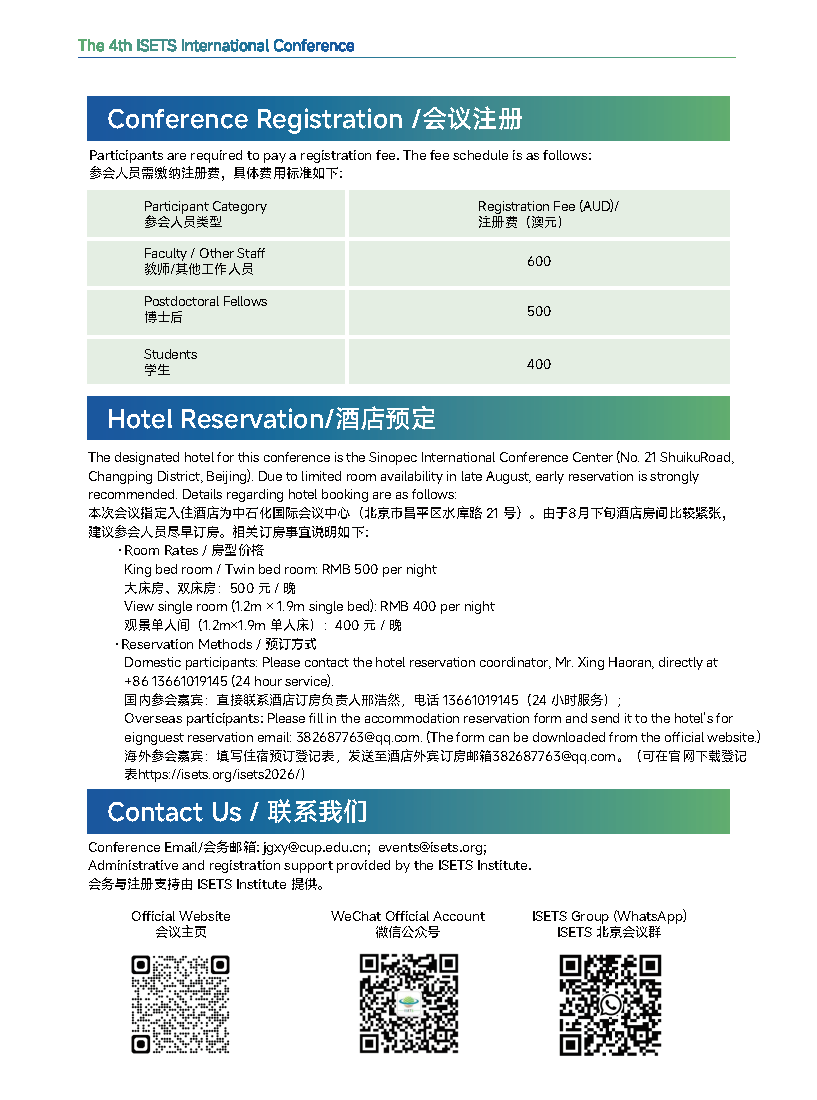
| PARTICIPANT TYPE | REGULAR REGISTRATION FEE (AUD) | EARLY BIRD REGISTRATION FEE (AUD) |
|---|---|---|
| Faculty/Other Staff | 600 | 550 |
| Postdoctoral Researchers | 500 | 450 |
| Students | 400 | 350 |
Note: The early bird registration deadline is June 30, 2026, after which the regular registration fee will be charged.
To access the student registration rate, please send proof of your current student status to events@isets.org. Once your status has been verified, the Organising Committee will update your registration category to “Student,” and the discounted student rate will then be displayed in the registration system.
I. Bank Transfer
Bank: National Australia Bank
BSB (bank, state, branch): 082-356
BIC/SWIFT code: NATAAU3303M
Account number: 909690445
Beneficiary name and address: ISETS Institute, 5 Barraba Place, Bella Vista, NSW 2153, Australia.
When making a bank transfer payment, please include the attendee’s name in the Remittance Information. After completing the payment, log in to the system with your account, fill out the registration form, and upload a photograph or scanned copy of the remittance.
II. QR Code payment
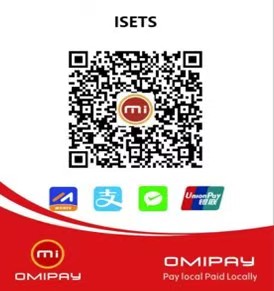
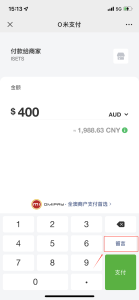
When using QR code payment, please write the attendee’s conference registration email and name on the message board. Send the payment confirmation screenshot to events@isets.org; jgxy@cupb.edu.cn, and include the attendee’s conference registration email and name in the email.

Cancellations Policy
Once the registration fee is confirmed, no refunds can be issued from the original payment under any circumstances. However, if you are unable to attend, you may transfer your fully paid registration to another member of your organization.
Sinopec International Conference Center
Address: No.21 Shuiku Road, Changping District, Beijing, China, 102200
1. Room Types & Rates
King Room: CNY 500 per night
Twin Room: CNY 500 per night
View Single Room (1.2m x 1.9m single bed): CNY 400 per night (for domestic participants only)
2. Booking Channels
- International Participants
Please download and fill out the official accommodation registration form, then submit the completed form to the hotel’s exclusive overseas booking email: 382687763@gg.com
Click and Download registration form
- Domestic Participants
Please book rooms directly by contacting the hotel booking manager:
Booking Manager:Xing Haoran (邢浩然)
Mobile: 13661019145 (24-hour booking service)
3. Important Reminders
Room inventory is limited. All participants are strongly recommended to make reservations at your earliest convenience to avoid fully booked status.
The 4th ISETS International Conference (ISETS 2026)
Welcome to Beijing & Changping District!
1. Visa & Entry
(1) Visa Requirements
-
- 30-Day Visa-Free Policy (valid until Dec 31, 2026): Citizens of over 50 eligible countries (EU member states, the UK, Canada, Japan, South Korea, Australia, etc.) can enter China visa-free for business, academic exchange and tourism purposes.
- For non-visa-free countries, please apply for a Chinese business/tourist visa via your local Chinese Embassy or Consulate in advance, and prepare official conference invitation letters, hotel reservations and round-trip flight itineraries for immigration inspection.
- 240-hour Transit Visa Exemption: Eligible international travelers can enjoy transit visa-free access through Beijing Capital and Daxing International Airports for up to 10 days.
(2) Transport from Airports to Sinopec International Conference Center
Exact Venue Address
Sinopec International Conference Center
No. 21 Shuiku Road, Changping District, Beijing
Two Major International Airports
-
- Beijing Capital International Airport (PEK) — about 43 km to the venue
– Public Transit (Cost-effective): Take airport express + connecting subway lines to Changping Dongguan Station, then transfer to a local bus or short taxi to the venue; total travel time approx. 1.5 hours.
– Direct Taxi / Ride-hailing (Convenient): Door-to-door service, total travel time around 1 hour.
– Airport Shuttle Bus: Direct dedicated airport shuttle Line 18 runs from PEK to Changping District (fare ~CNY 30), alight at Changping North Railway Station and take a short 10–15-minute taxi to the venue.
-
-
- Operating Hours (Airport Departure): 07:15 – 22:15; Interval: ~60 minutes (or when full)
- Boarding Points: T3 (Gate 7, 1F); T2 (Gate 11, 1F)
- Beijing Daxing International Airport (PKX) — about 70 km to the venue
-
– Public Transit (Budget option): Take Daxing Airport Express and transfer via multiple subway lines to Changping Dongguan Station, followed by local feeder transport; total travel time approx. 2–2.5 hours.
– Direct Taxi / Ride-hailing (Recommended for comfort): Most hassle-free way for international attendees, total travel time roughly 1.5 hours.
– No Direct Shuttle
2. Getting Around Changping & Downtown Beijing
(1) Public Transport – Subway
The Beijing subway network is fast, affordable, and covers downtown Beijing and Changping District, with Changping Dongguan Station (Changping Line) being the nearest metro stop to the Sinopec International Conference Center.
– How to take & purchase subway tickets
-
- Single-trip paper ticket
Buy from self-service ticket machines at any subway station: support English interface, cash (CNY), and UnionPay/Visa/Mastercard contactless card payment. Select your destination, pay, and collect the ticket to swipe for entry. - Contactless bank card / Mobile NFC
International visitors can directly use international contactless credit/debit cards (Visa/Mastercard/Amex/JCB) or phone NFC to tap in/out at subway gates, no extra ticket needed. - Beijing Yikatong Transit Card
Available for purchase and recharge at subway service counters or vending machines; Refillable with cash, mobile payment, or bank cards.
- Single-trip paper ticket
– Useful Tips
-
- Free transfers between different subway lines within the system; no extra charge for line changes.
- English announcements, English station signs, and route maps are available throughout the network.
- Avoid rush hours (07:30–09:00 & 17:30–19:00) for a more comfortable ride.
(2) Public Transport – Bus Guide
Local Buses Near the Venue
Bus routes 345 Express, 888, 493, 643, Chang 56 stop at Chaofeng’ancun Station, a short 400m walk to the conference center.
(3) Taxi & Ride-Hailing
-
- Metered local taxis: starting fare CNY 13 (first 3 km), plus CNY 2.3 per additional kilometer.
- Didi Chuxing is the most widely used international-friendly ride-hailing app; English version available, supports overseas card payment.
(4) Map
English Interactive Electronic Map (Online Viewing & Search)
https://beijing.tianditu.gov.cn/EMap/1/1/EMap.html
3. Currency & Payment
-
- Local currency: Chinese Renminbi (CNY/RMB)
- International credit cards (Visa, Mastercard, Amex, JCB) are widely accepted at the conference center, hotels, shopping malls and restaurants.
- Alipay and WeChat Pay dominate daily consumption; small local shops may still prefer cash.
4. Climate & Weather
-
- Beijing in late August is warm and humid, with average temperature ranging from 25°C to 32°C, and occasional short afternoon thunder showers.
- Recommended packing: lightweight breathable outfits, sun protection items (sunscreen, hats), portable rain gear.
5. Electricity
-
- Voltage: 220V / Frequency: 50Hz
- Plug types: Type A, Type C, Type I
- Most laptops, mobile phones and digital devices support dual voltage; a universal travel adapter is suggested for overseas participants.
6. Local Highlights
Changping District, where the venue is located, boasts world-renowned landmark attractions including the Great Wall (Badaling & Juyongguan Sections) and the UNESCO-listed Ming Tombs, featuring magnificent ancient architectural marvels, profound historical heritage and stunning mountain scenery.
A short convenient trip away, downtown Beijing presents iconic must-visit cultural gems: the majestic Forbidden City (Palace Museum), China’s imperial heart with centuries of royal history; the serene Temple of Heaven, an exquisite masterpiece of ancient Chinese ritual architecture; together with other famous sites such as Summer Palace, Tiananmen Square and the National Museum, showcasing the timeless charm of Beijing as a world-famous historical and cultural capital.
The 4th ISETS International Conference, 21-24 August 2026, Beijing
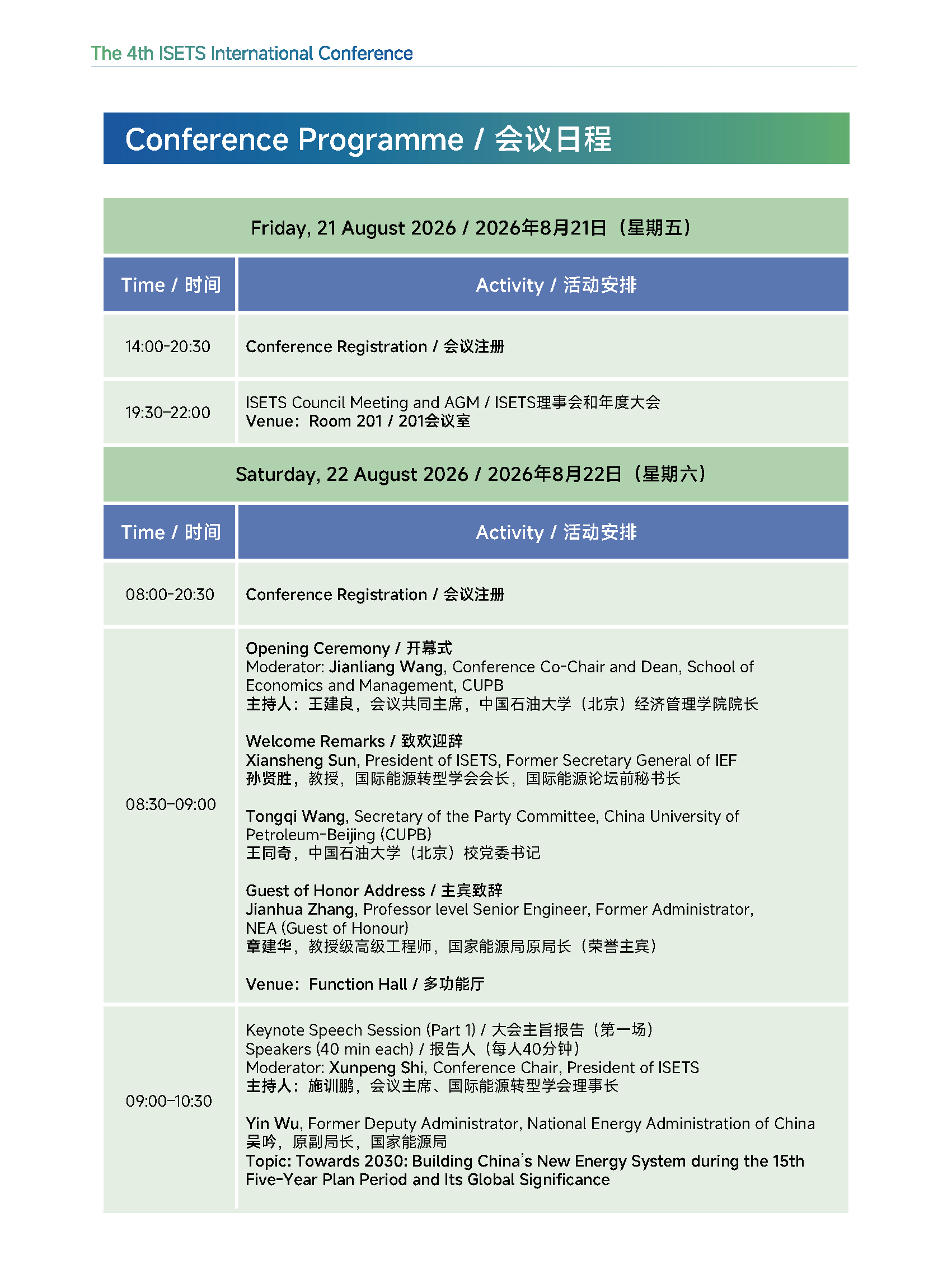
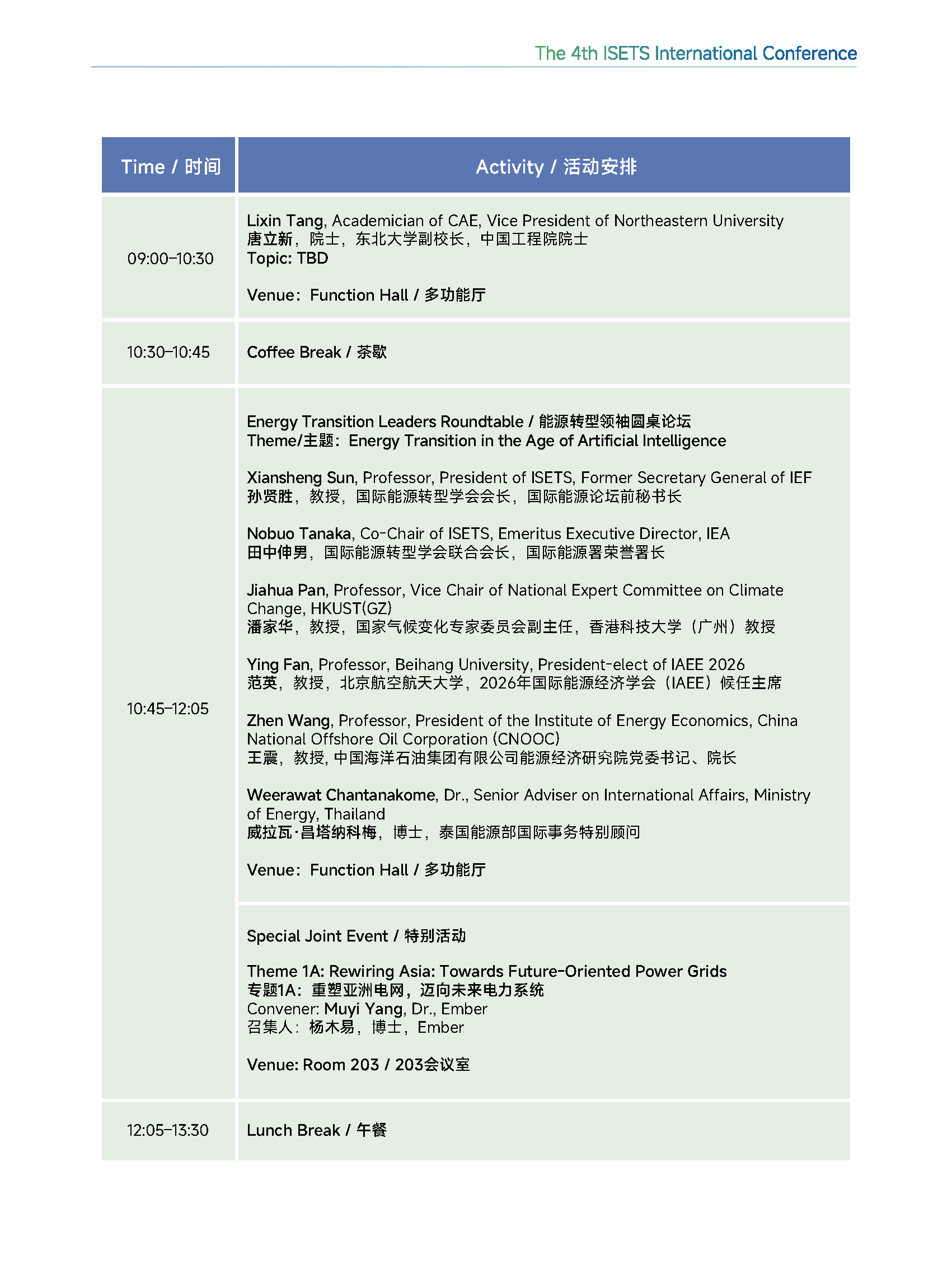
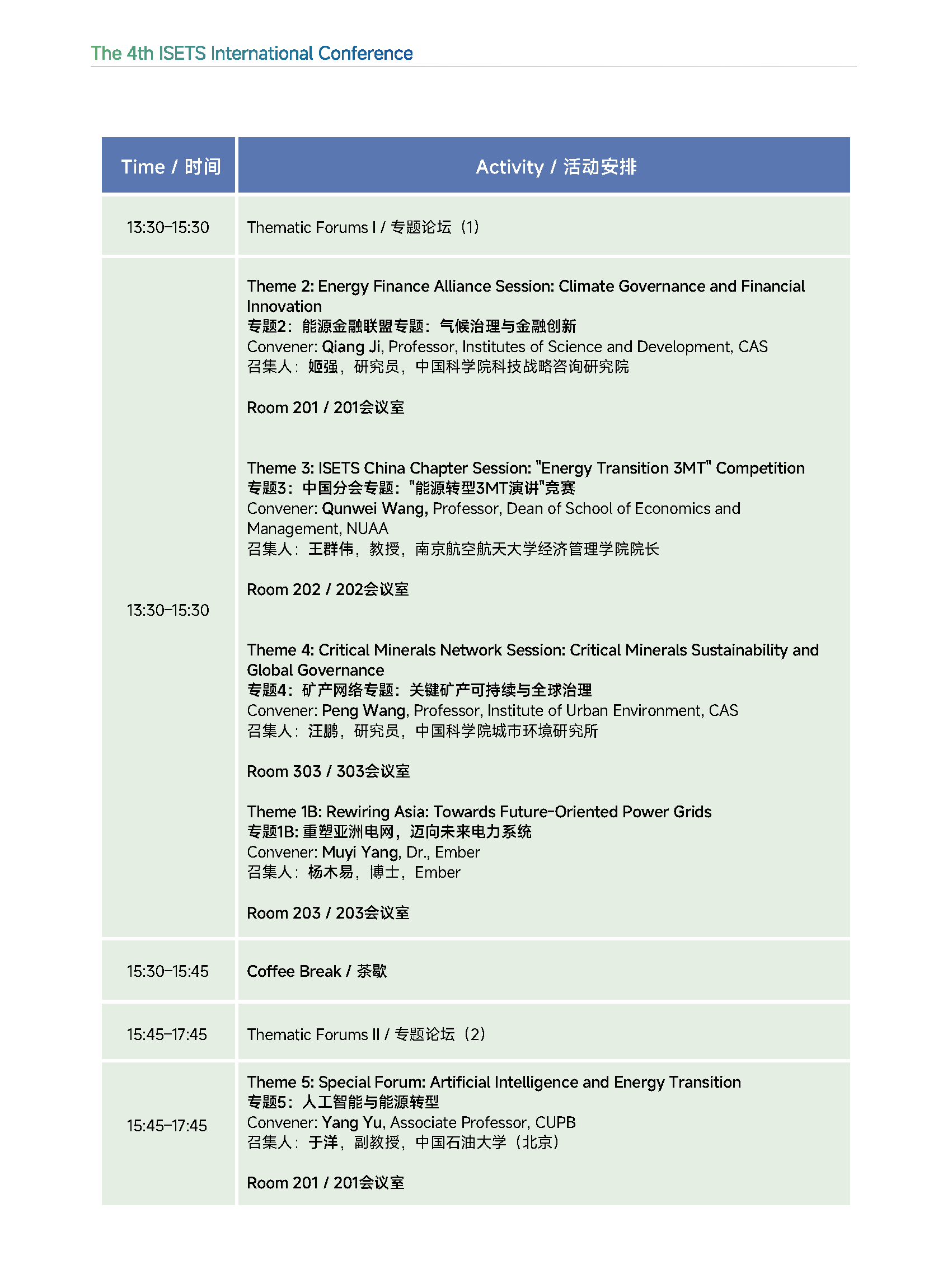
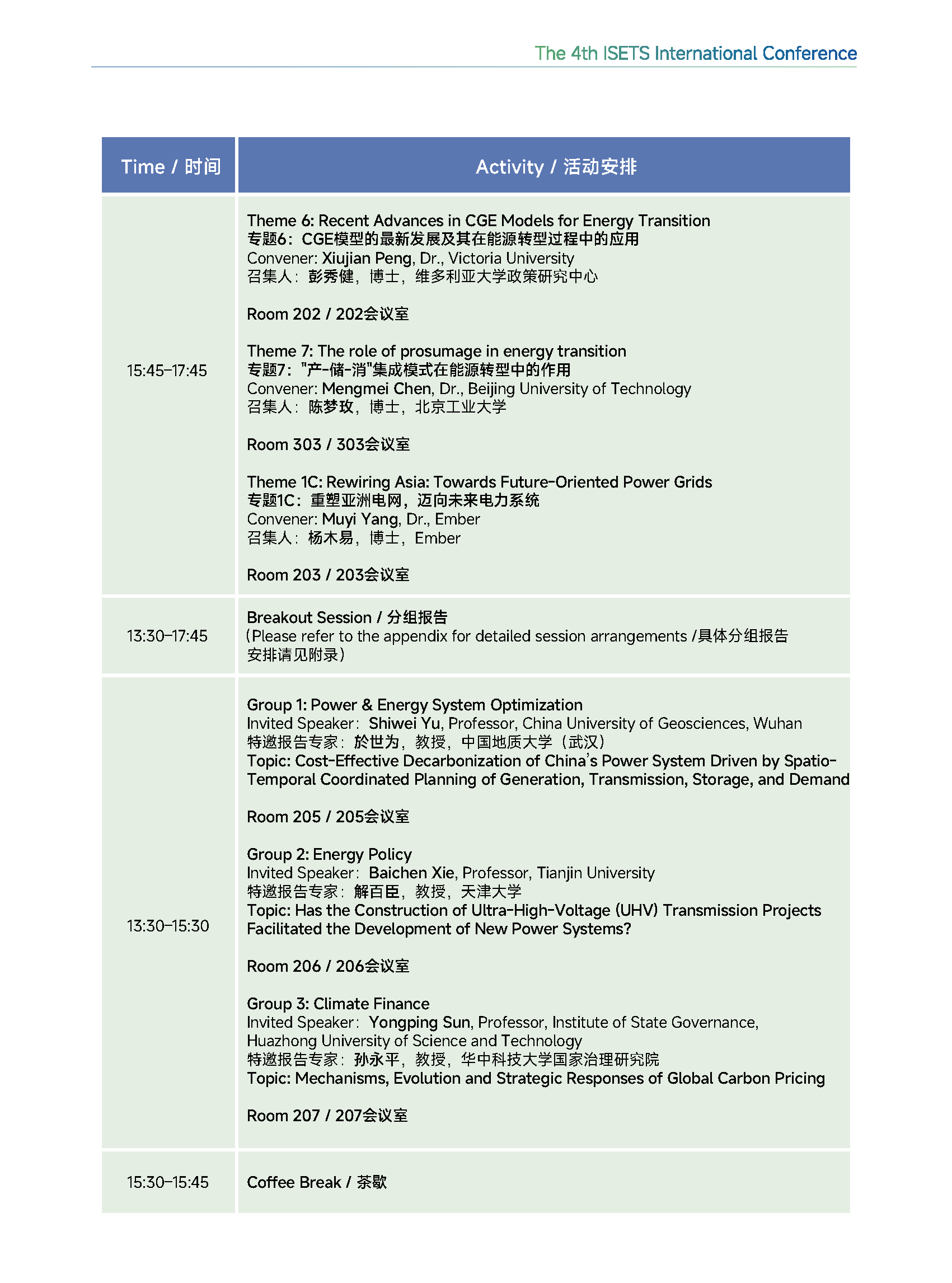
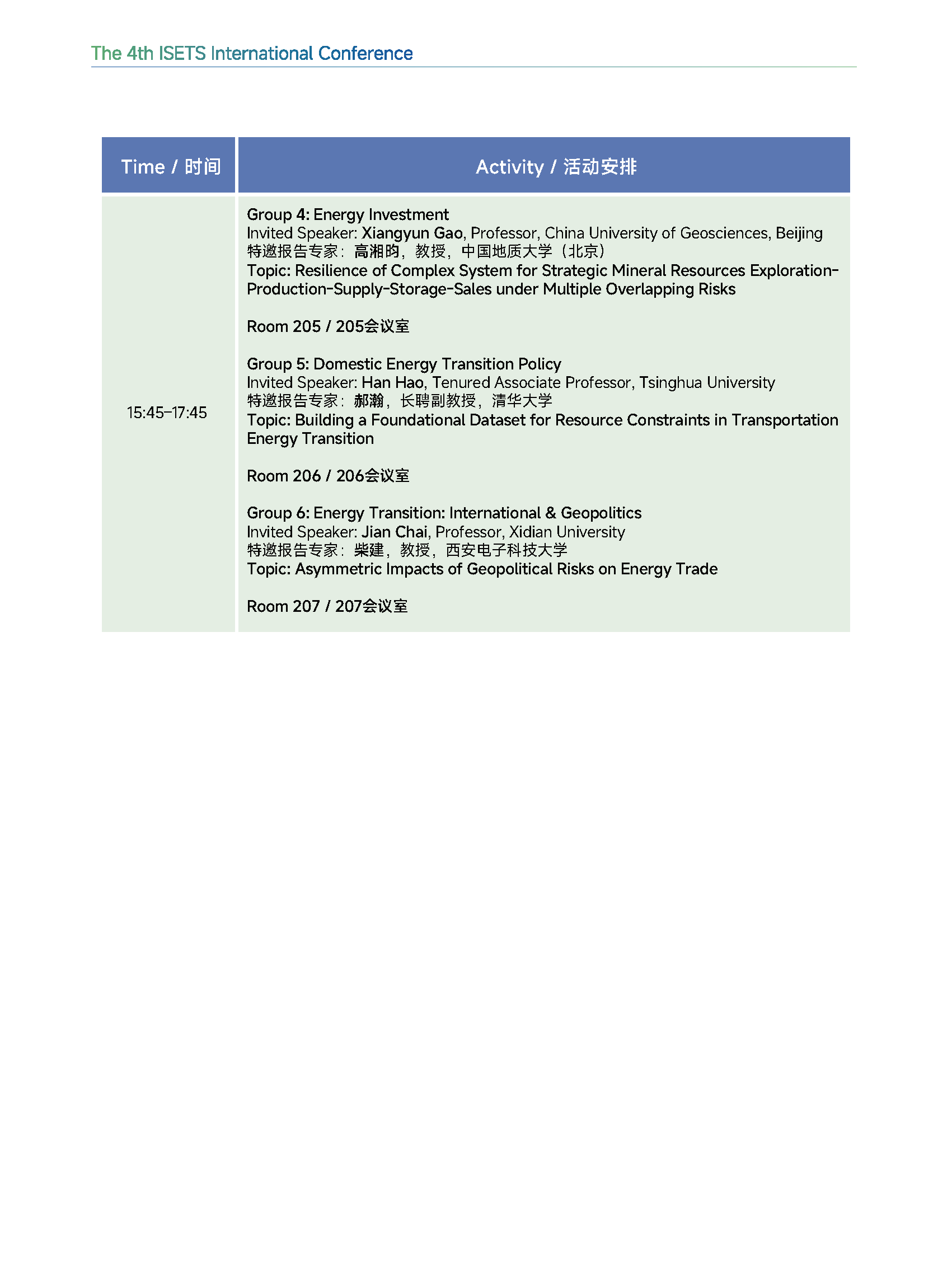
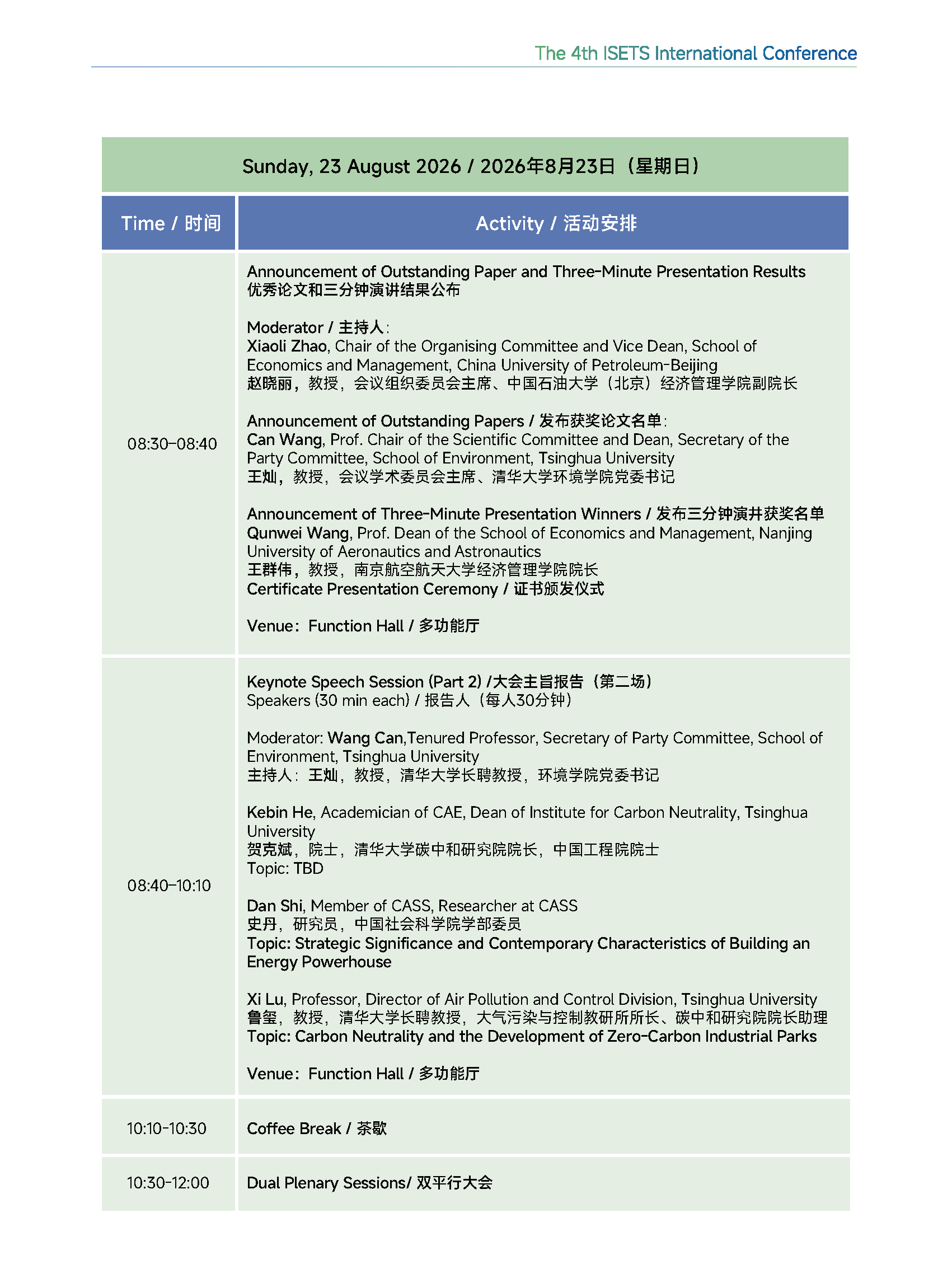
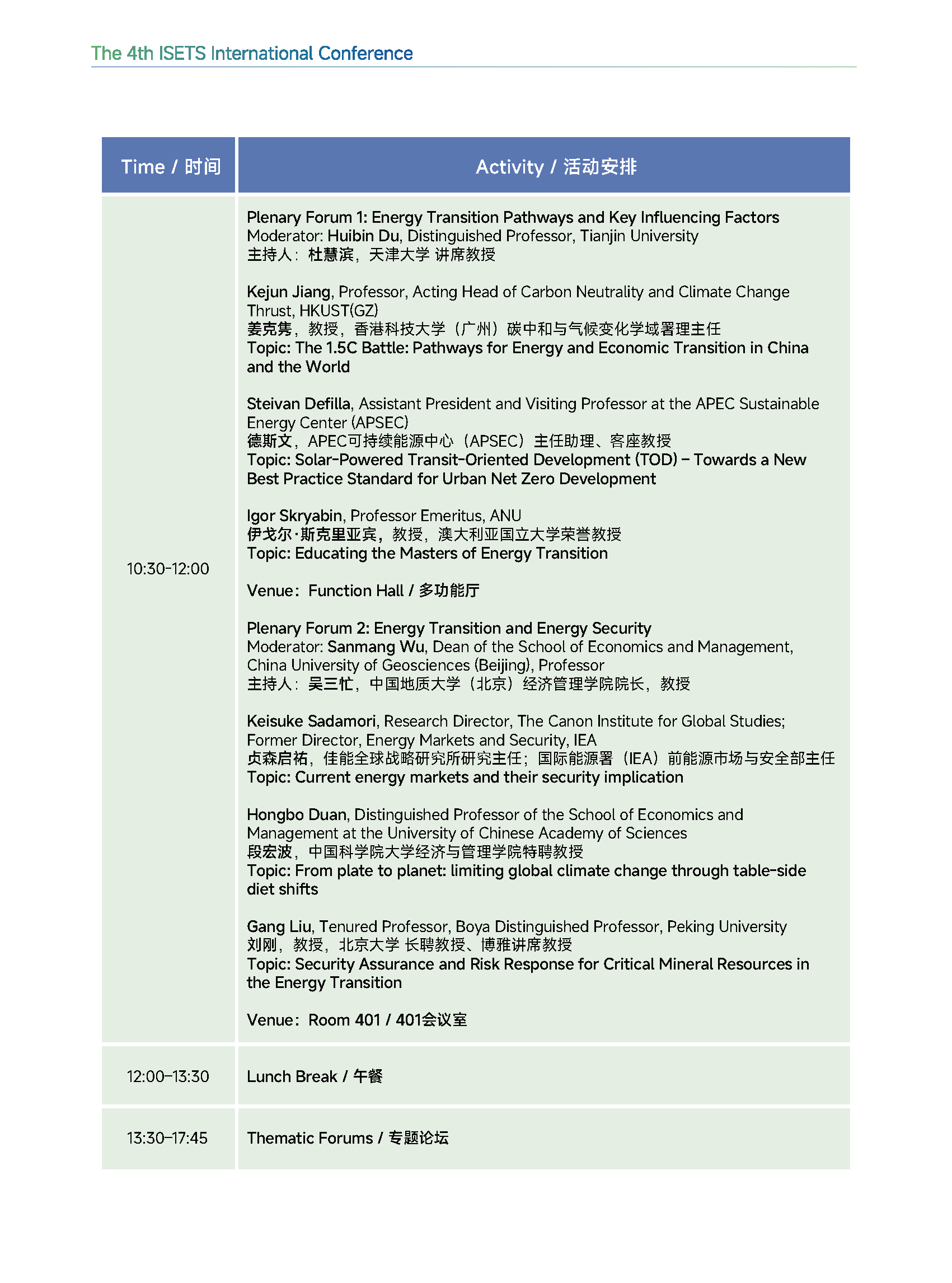
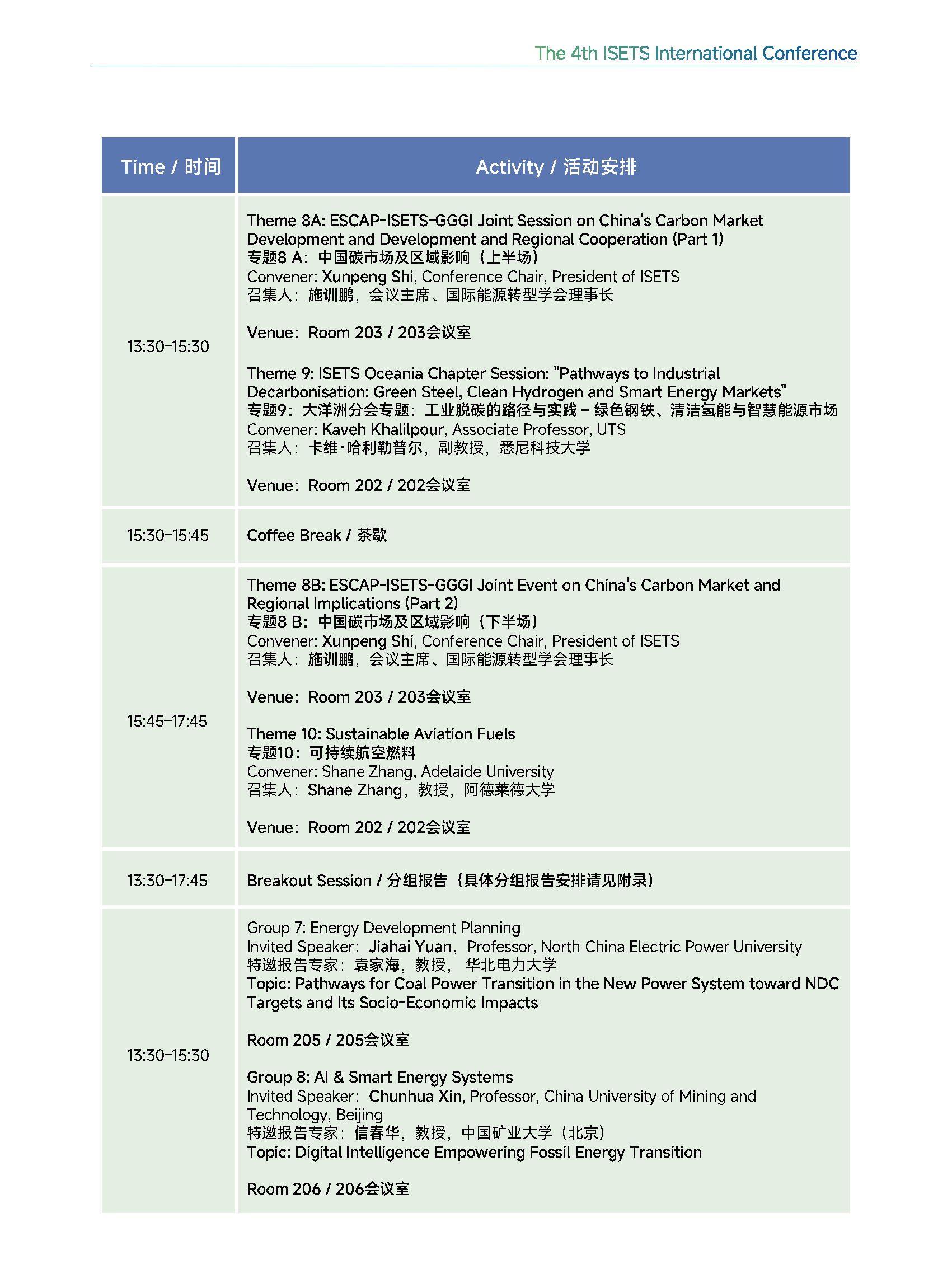
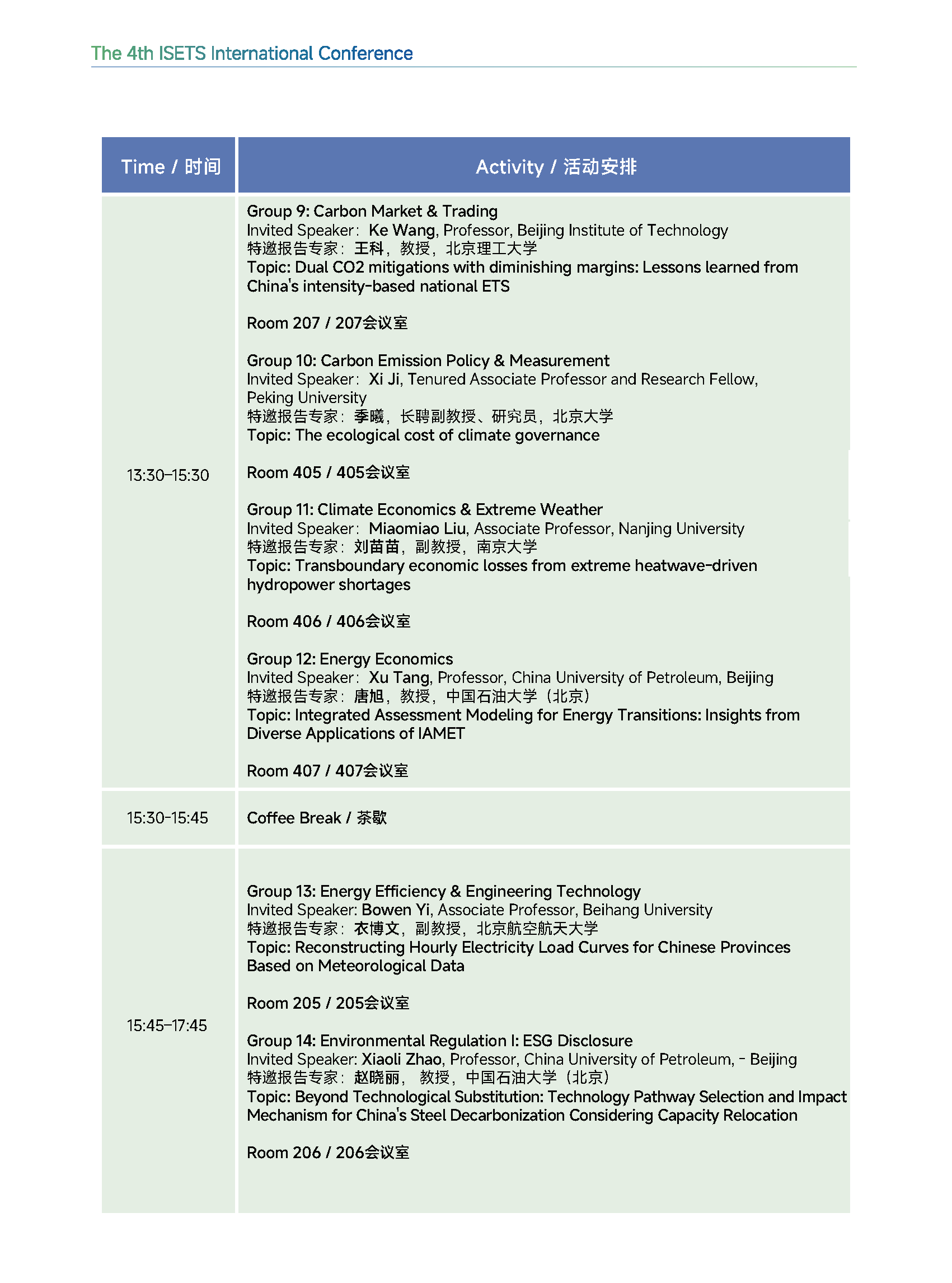
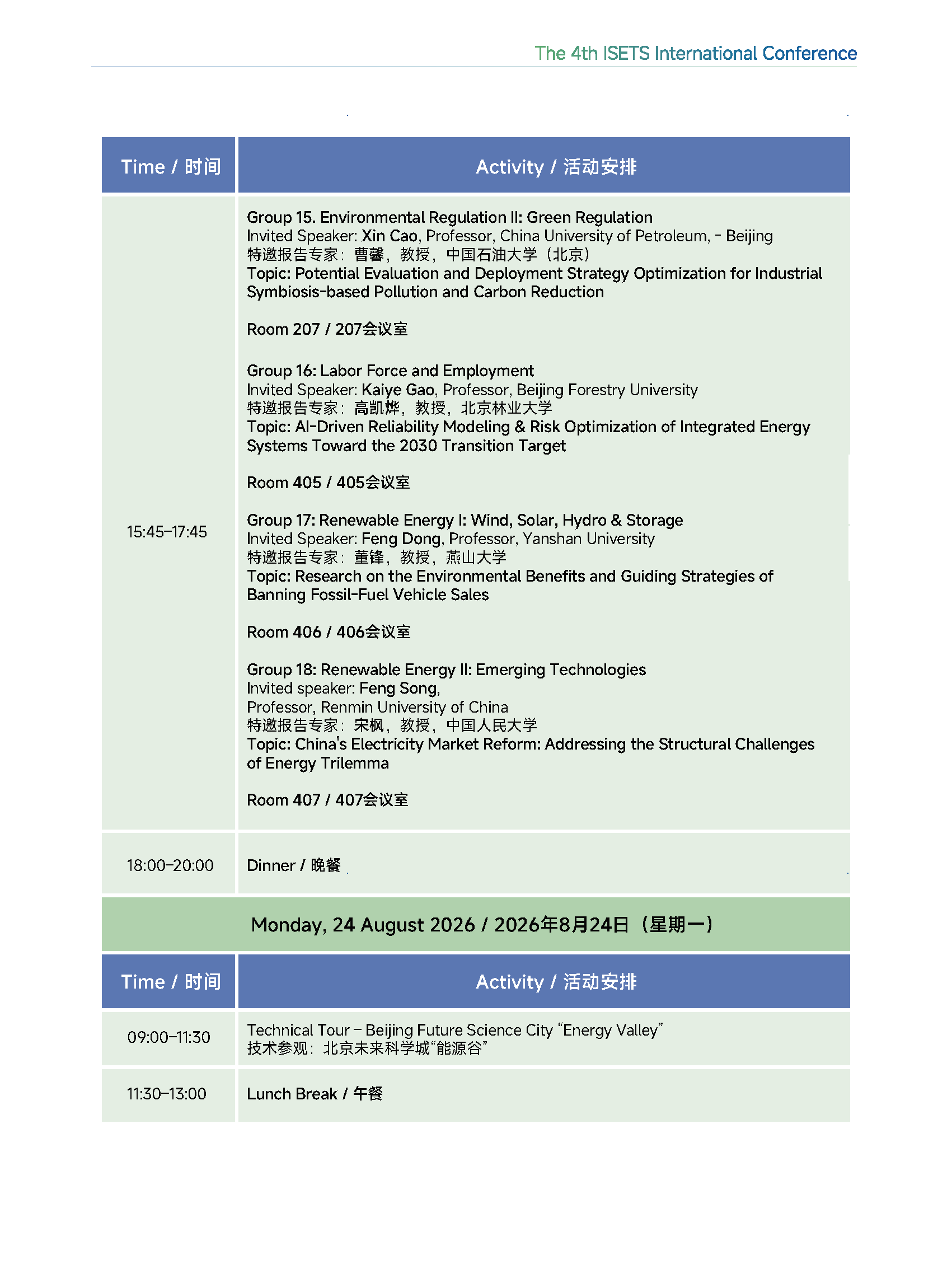
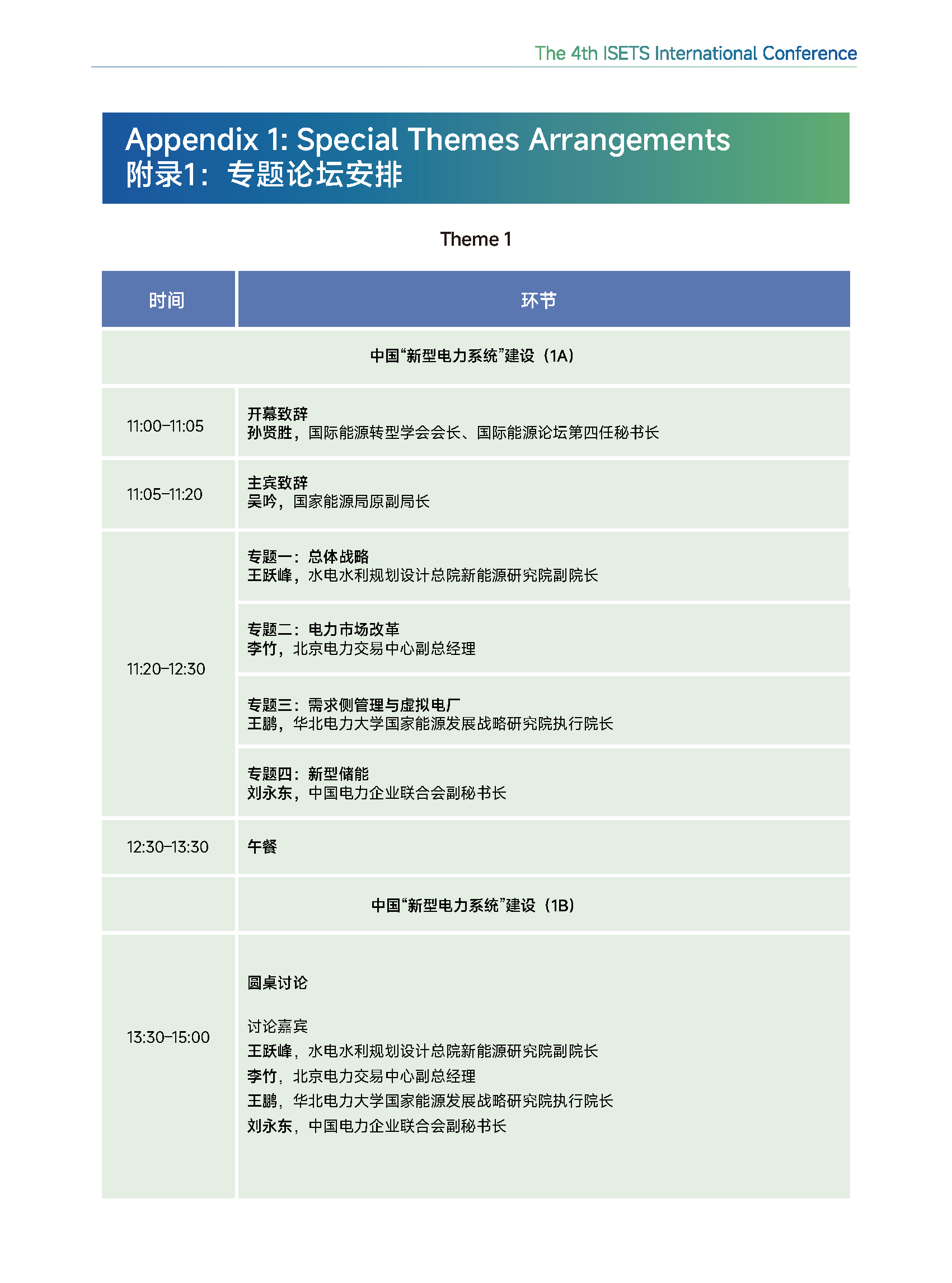
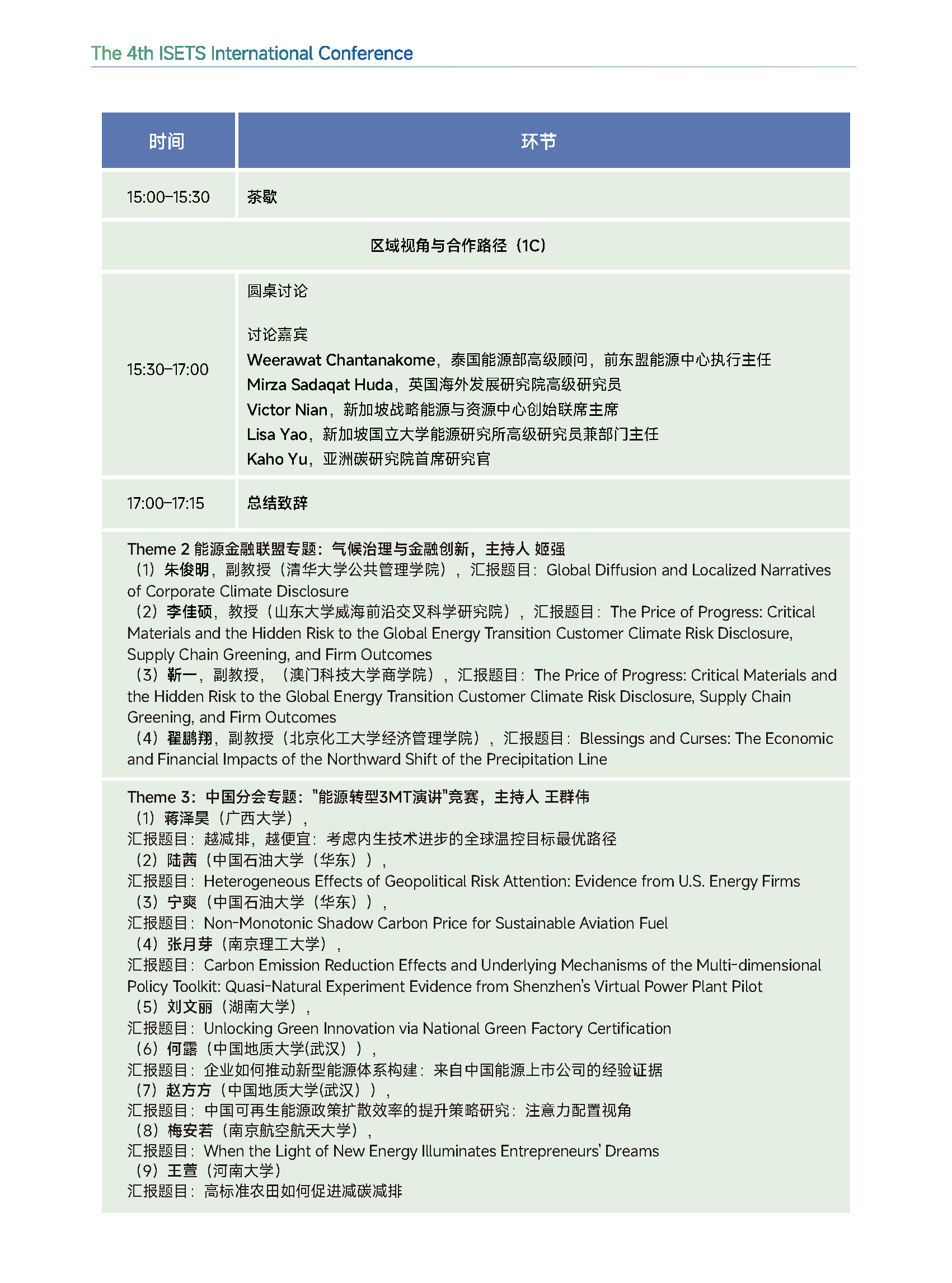
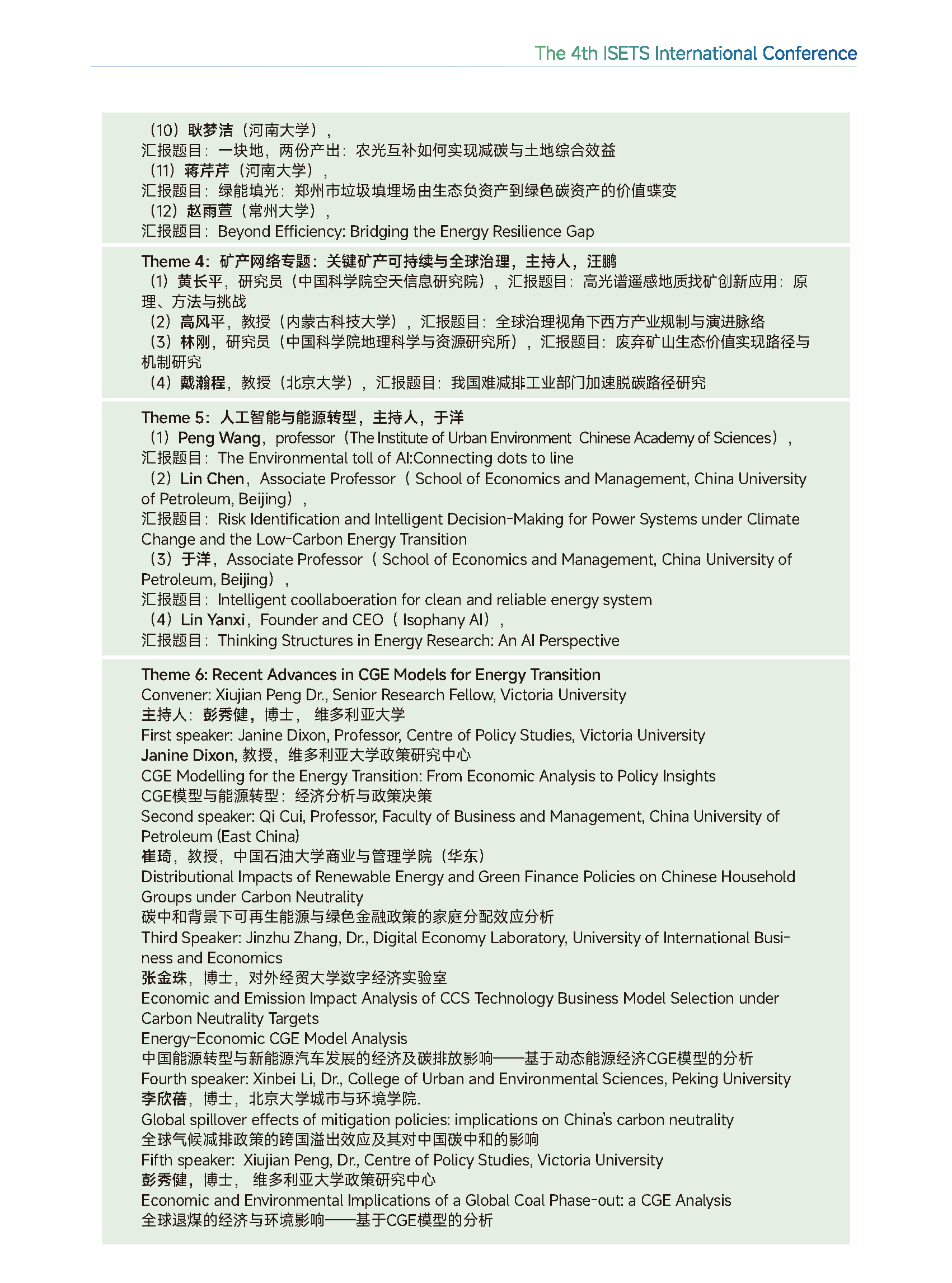
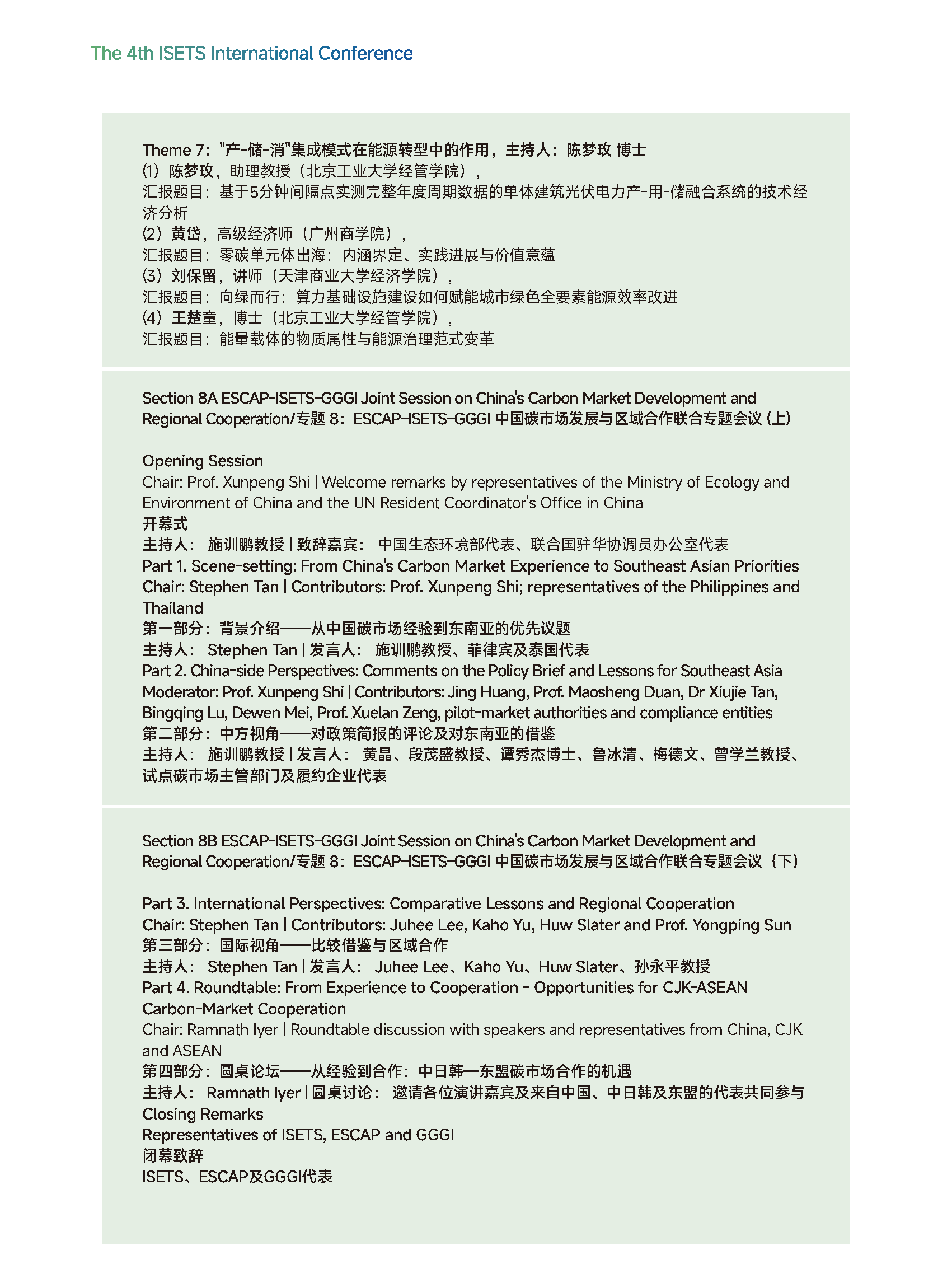
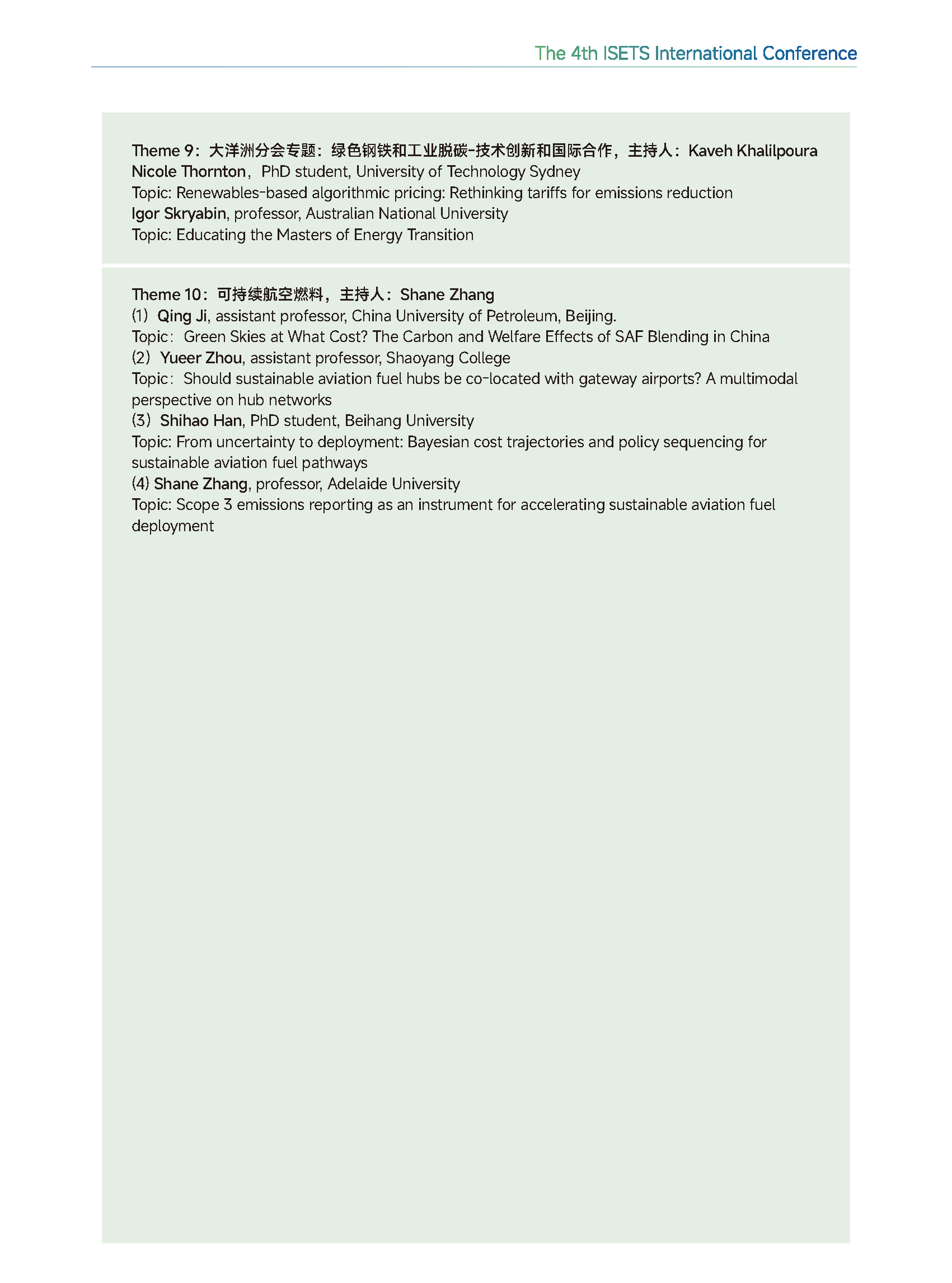
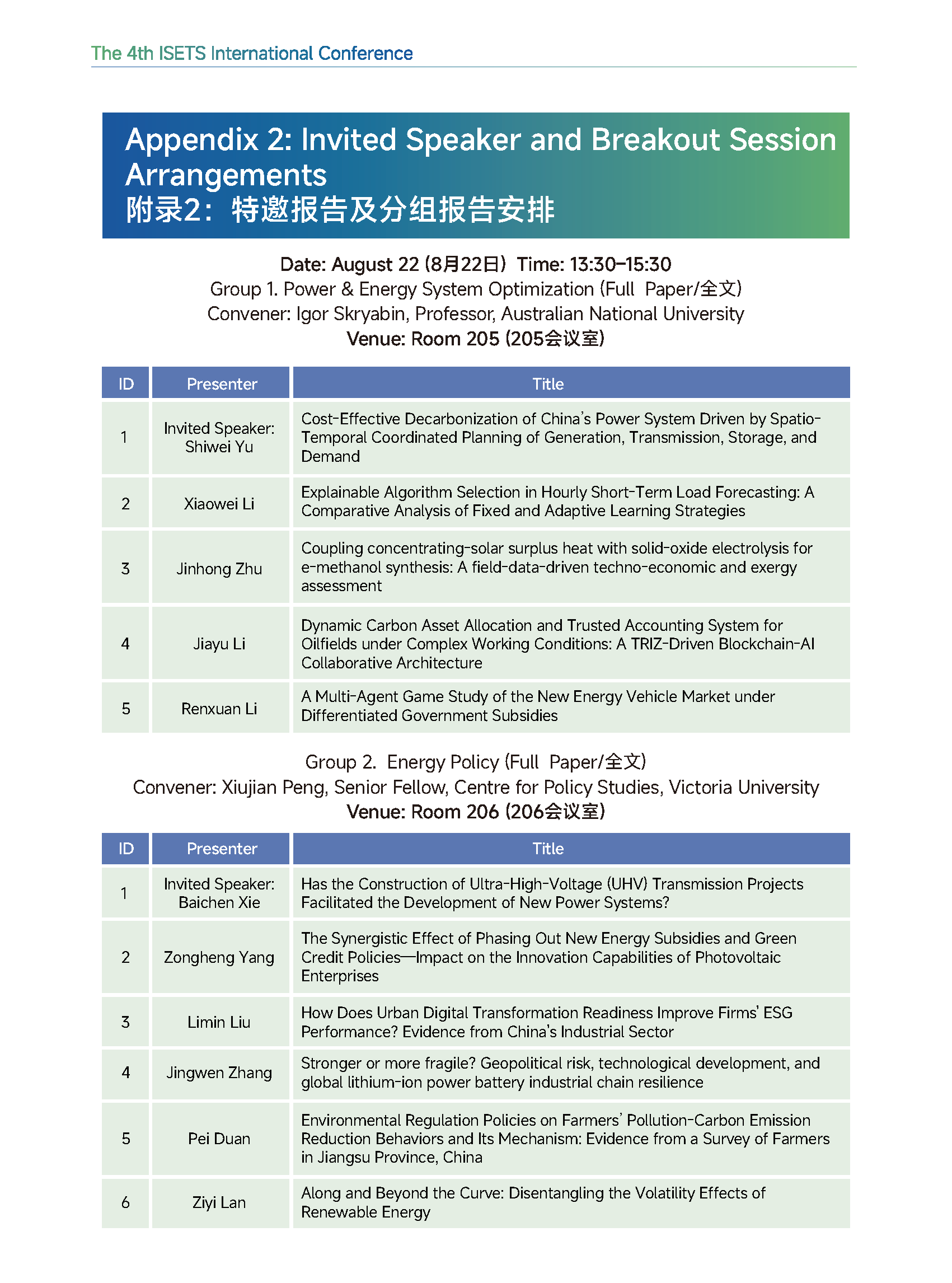
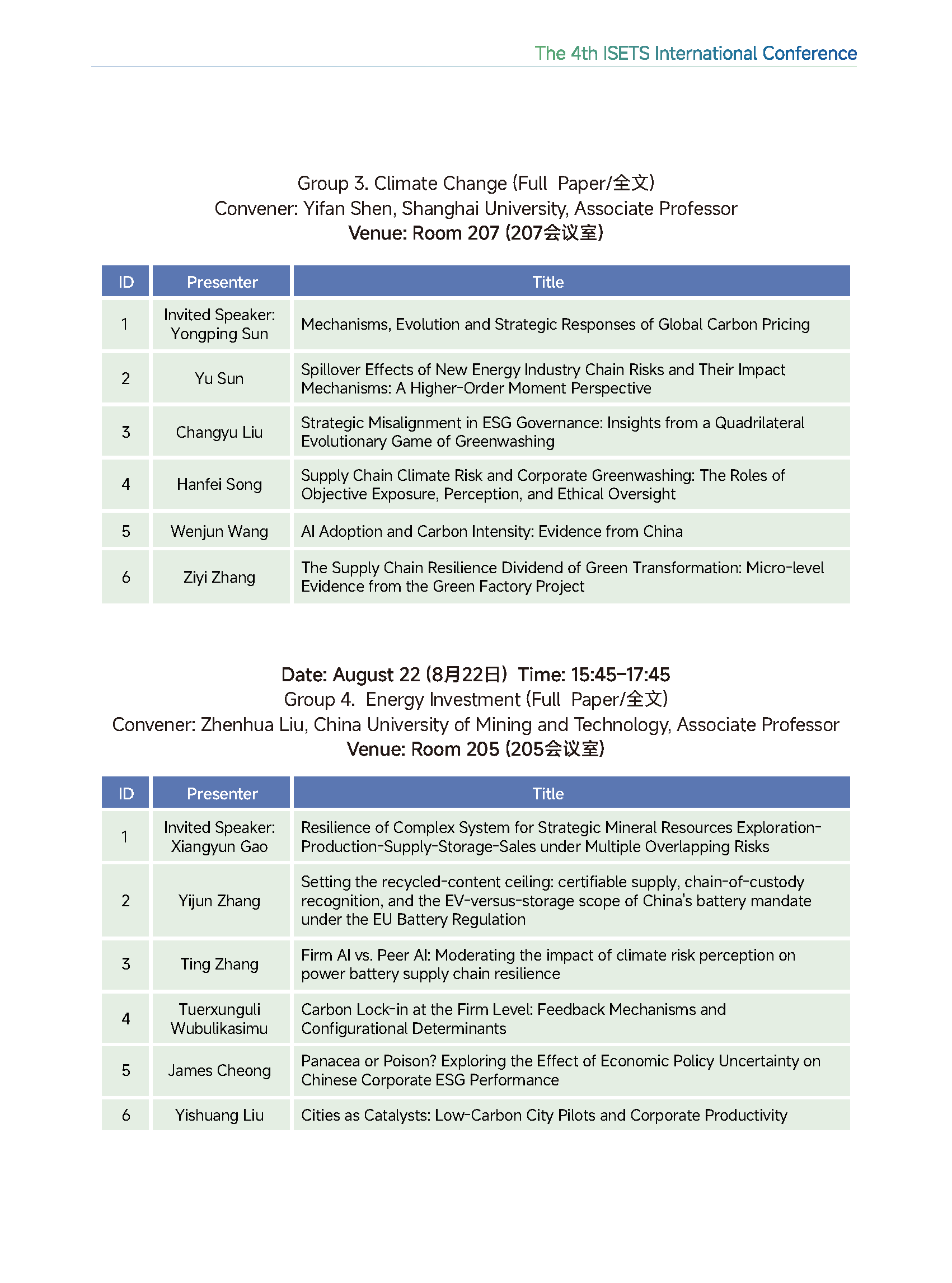
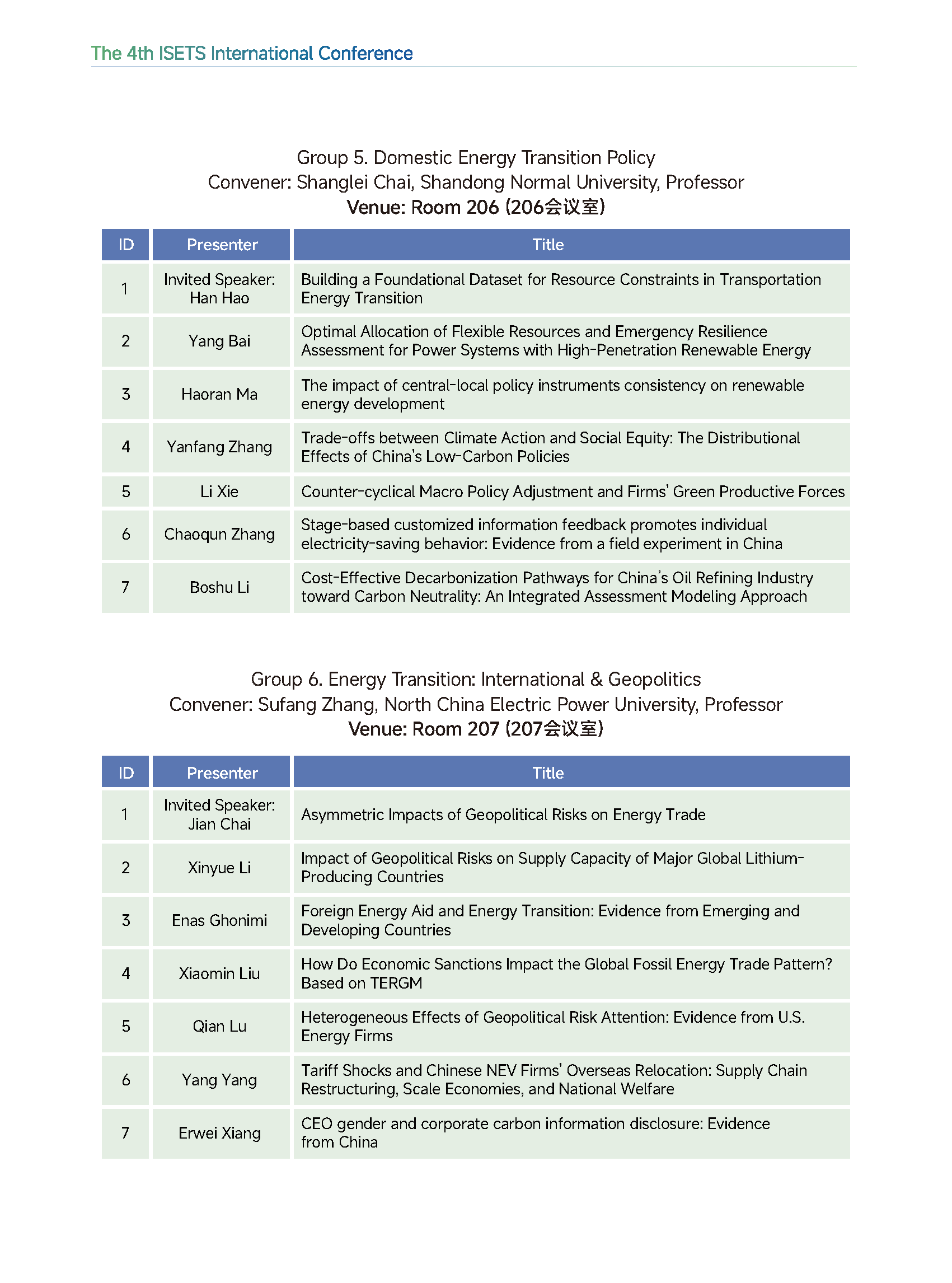
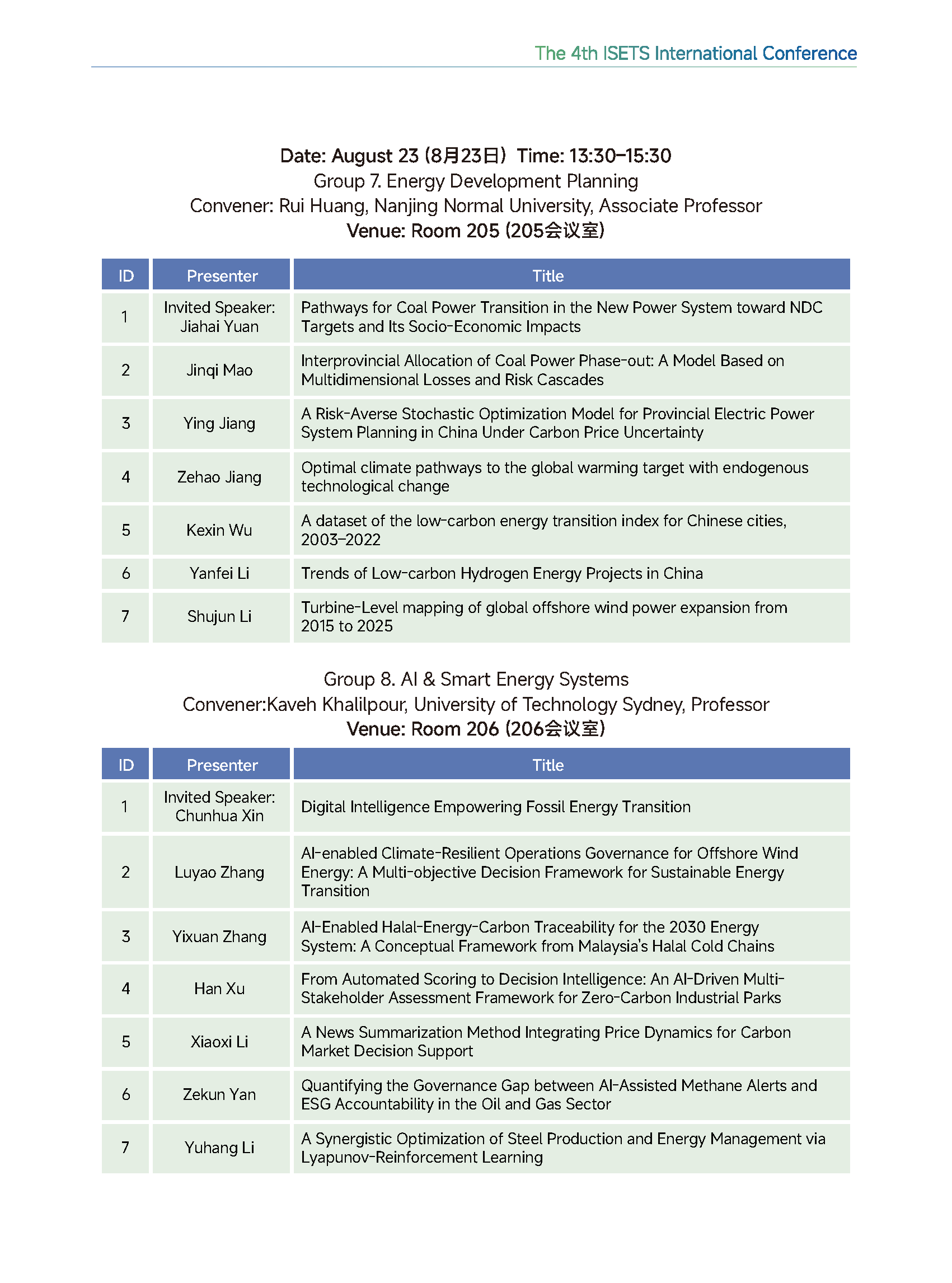
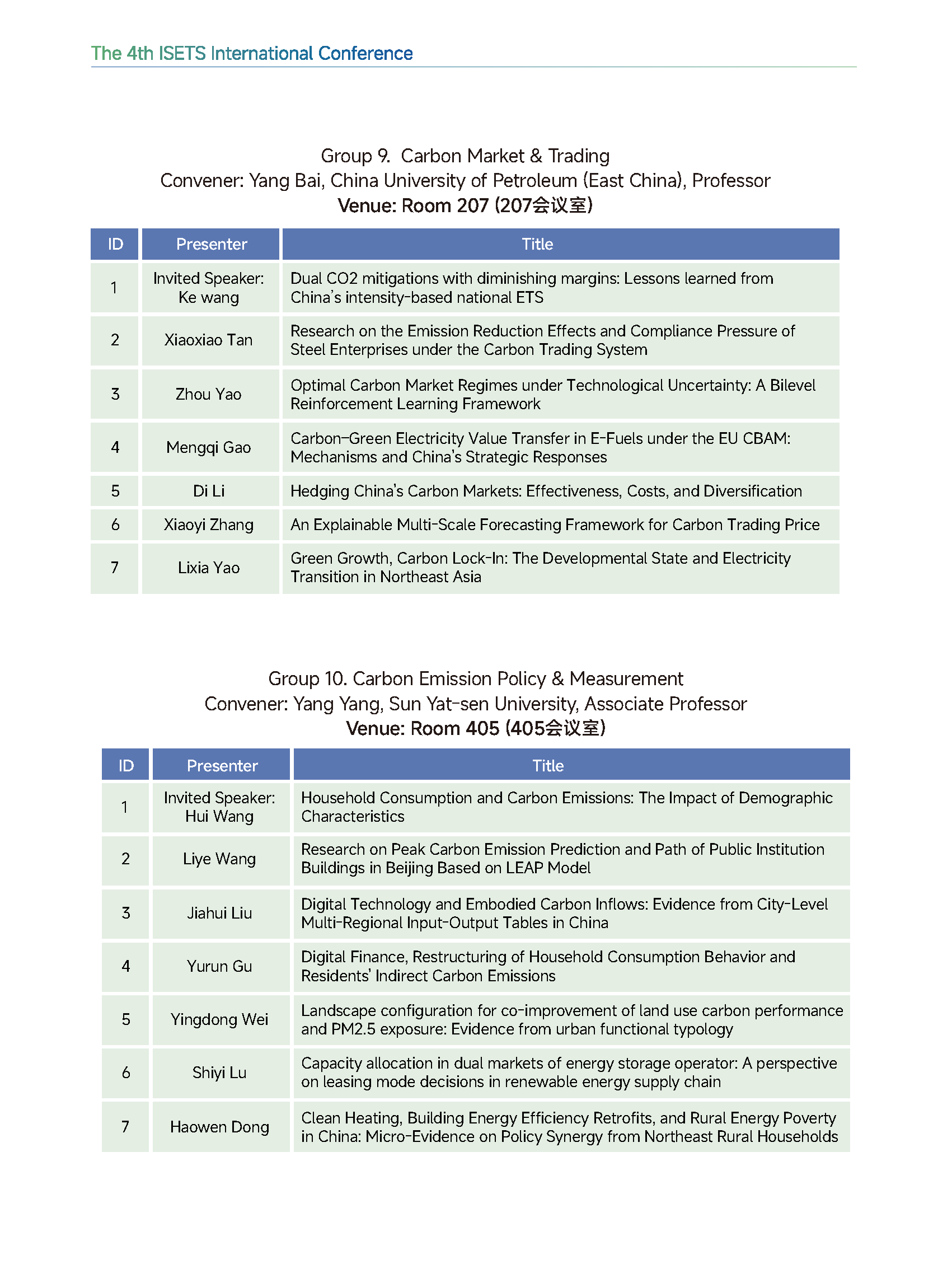
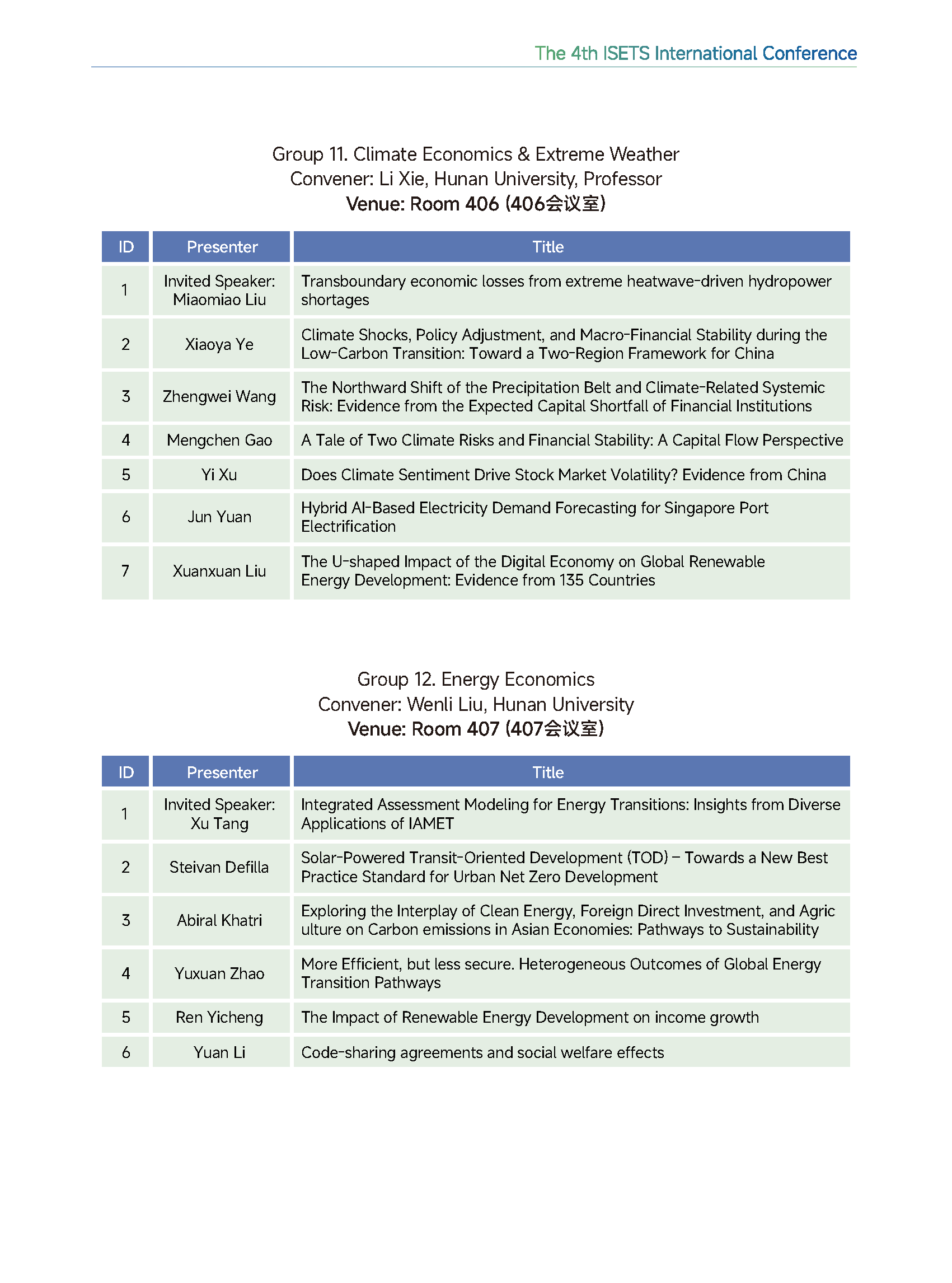
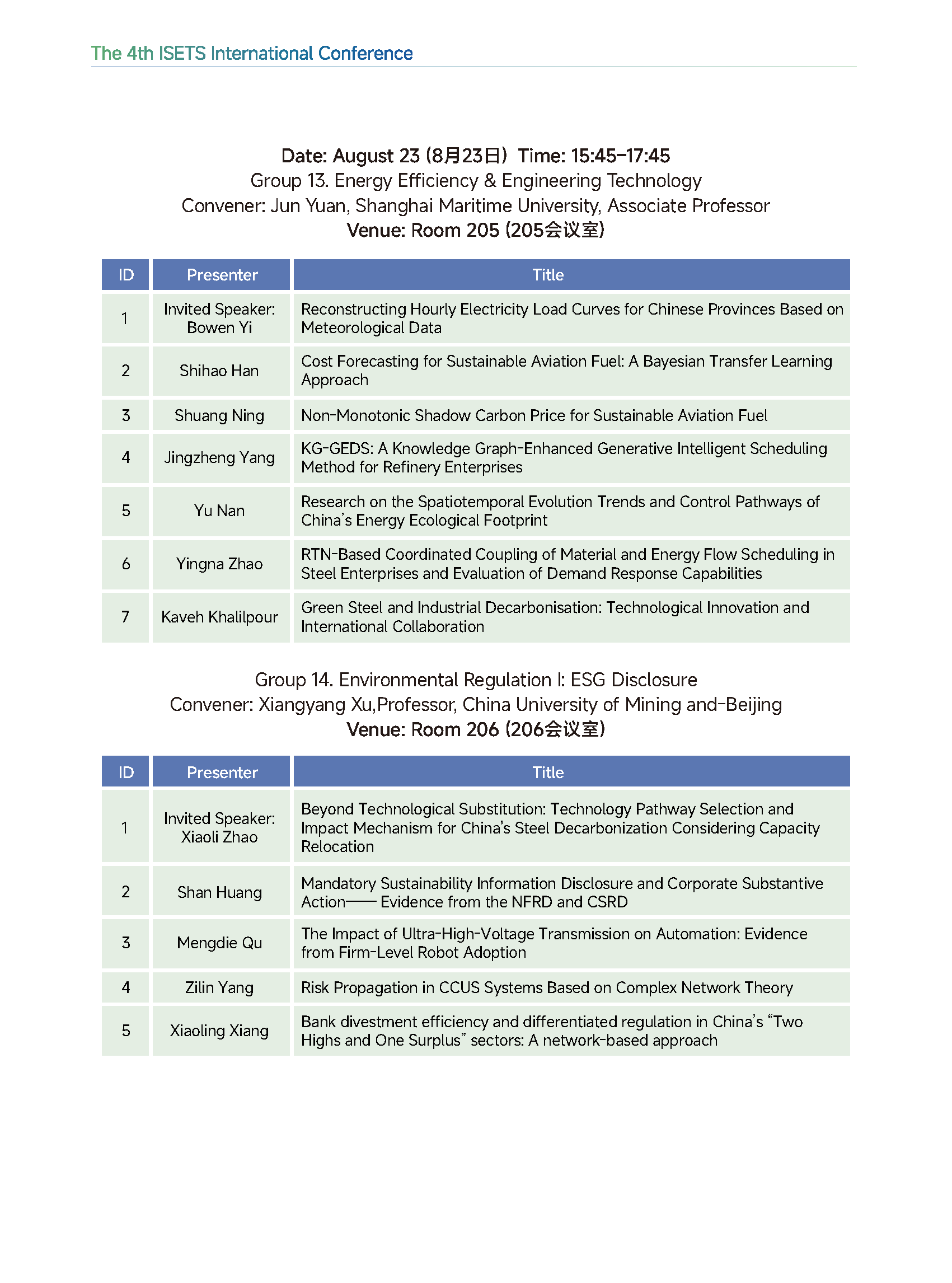
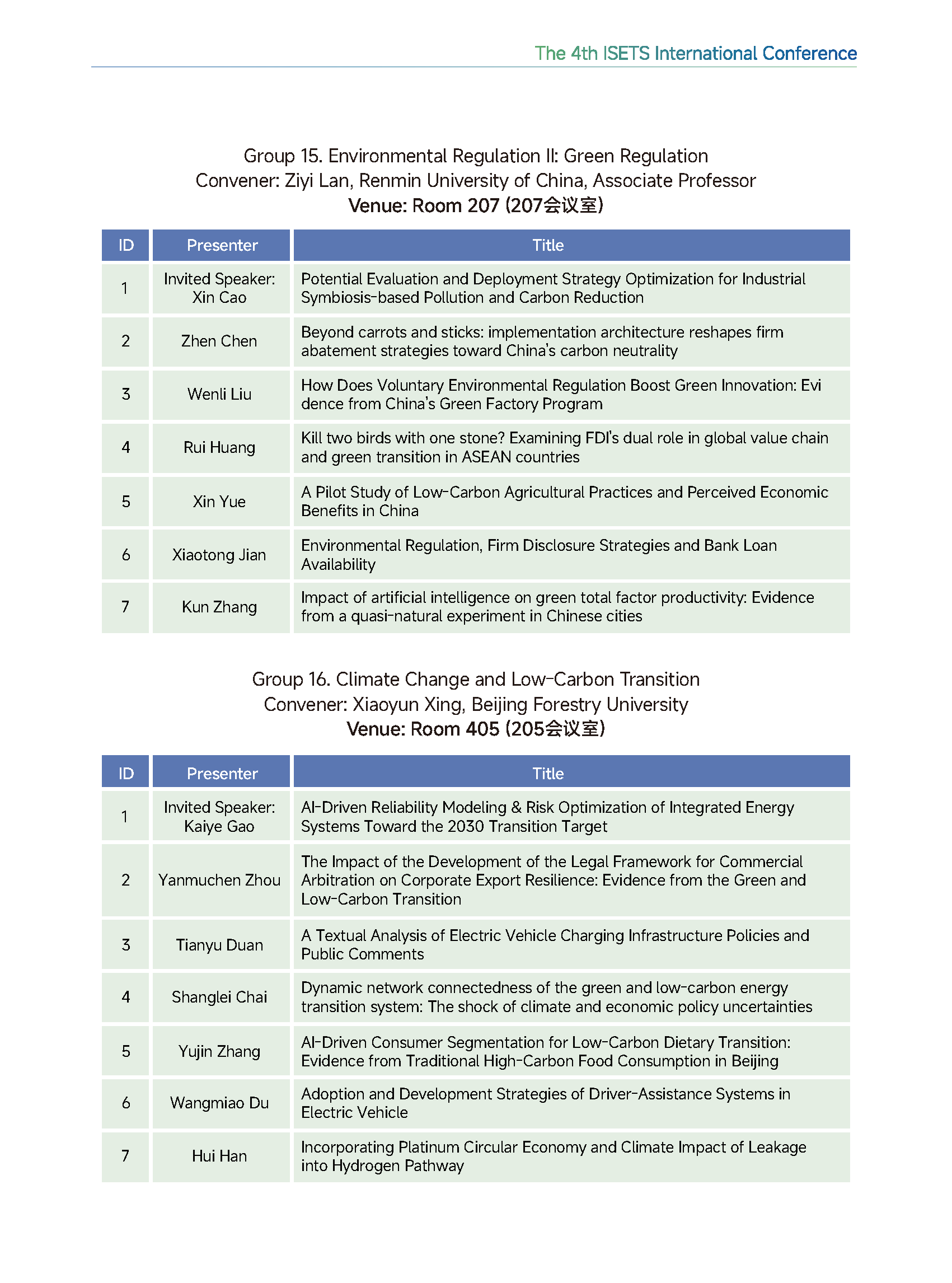
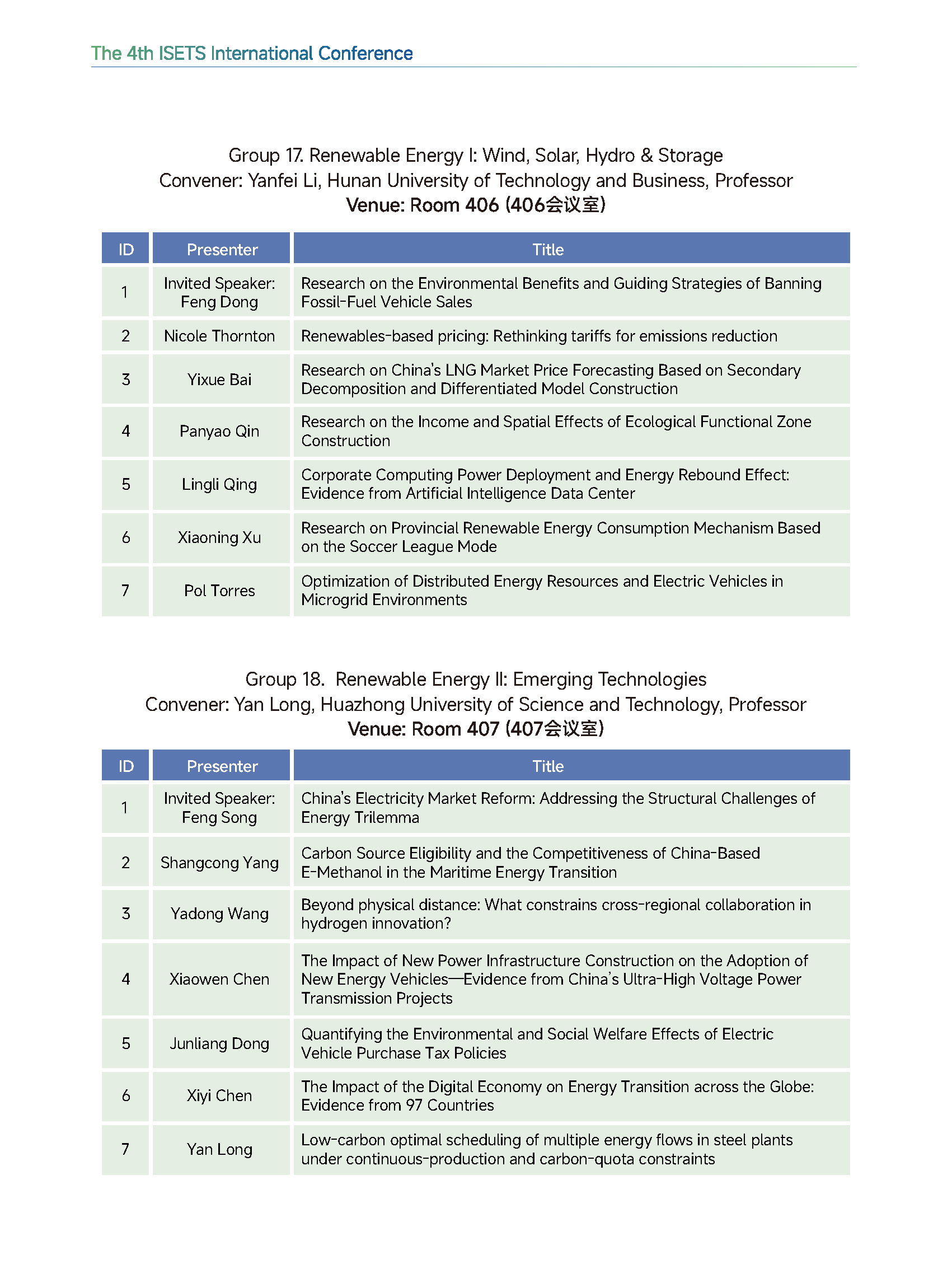
Program Overview
Conference Address
Location
Full Address: No. 21 Shuiku Road, Changping District, Beijing
Nearest Public Transport Hub
The closest subway station to the venue, approximately 2.6 km away. From here, you can take a short taxi ride (around 10 minutes) or local public buses to reach the conference center conveniently.
Two Major International Airports & Access Guide
1. Beijing Capital International Airport (PEK) – ~43 km to the venue
- Public Transit (Cost-effective): Take airport express + connecting subway lines to Changping Dongguan Station, then transfer to a local bus or short taxi to the venue; total travel time approx. 1.5 hours.
- Direct Taxi / Ride-hailing (Convenient): Door-to-door service, total travel time around 1 hour.
- Airport Shuttle Bus Option: Direct dedicated airport shuttle Line 18 runs from PEK to Changping District (fare ~CNY 30), alight at key Changping stops and take a short 10–15-minute taxi to the venue.
2. Beijing Daxing International Airport (PKX) – ~70 km to the venue
- Public Transit (Budget option): Take Daxing Airport Express and transfer via multiple subway lines to Changping Dongguan Station, followed by local feeder transport; total travel time approx. 2–2.5 hours.
- Direct Taxi / Ride-hailing (Recommended for comfort): Most hassle-free way for international attendees, total travel time roughly 1.5 hours.
Accommodation
Nearby Hotels (5–10 min walk to venue)
- Sinopec International Conference Center Hotel (On-site)
Direct access to conference facilities; lakeside & mountain views - Jundu Resort Hotel
Adjacent to the venue; short walk; business & leisure amenities
Official Hotel: Sinopec International Conference Center
1. Room Types & Rates
- King Room: CNY 500 per night
- Twin Room: CNY 500 per night
- View Single Room (1.2m × 1.9m single bed): CNY 400 per night (for domestic participants only)
2. Booking Channels
- International Participants
Please download and fill out the official accommodation registration form, then submit the completed form to the hotel’s exclusive overseas booking email: 382687763@qq.com
Click and Download registration form - Domestic Participants
Please book rooms directly by contacting the hotel booking manager:
Booking Manager: Xing Haoran (邢浩然)
Mobile: 13661019145 (24-hour booking service)
3. Important Reminders
- Room inventory is limited. All participants are strongly recommended to make reservations at your earliest convenience to avoid fully booked status.
- All accommodation adjustments (stay dates, room categories, extra demands) shall be communicated directly with the hotel via the above contact methods.