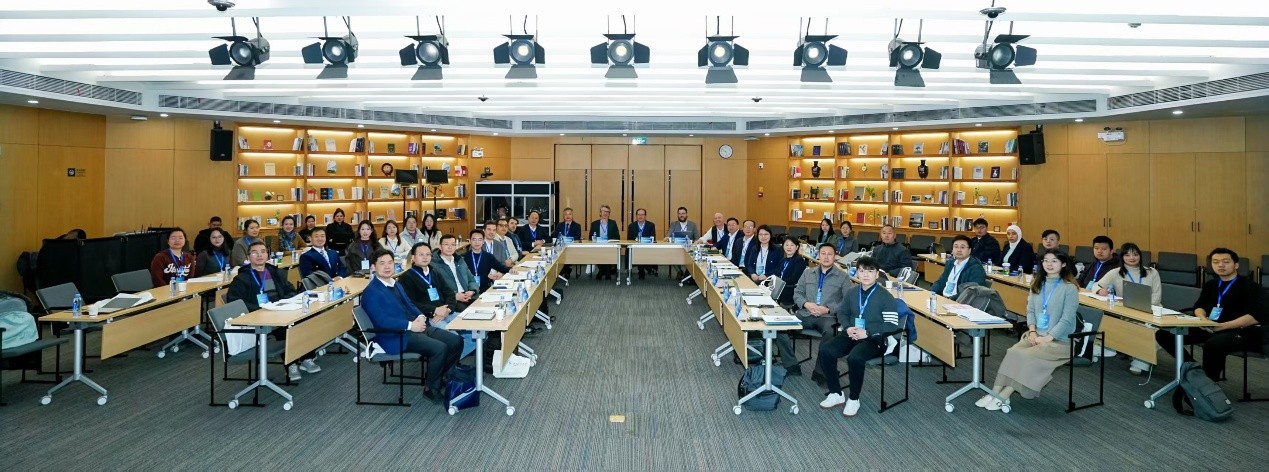
Sino-Australia Energy Transition Forum 2025 Successfully Held in Wuhan
The 2025 Sino-Australia Energy Transition Forum, initiated by the International Society for Energy Transition Studies (ISETS) and the Institute of State Governance of Huazhong University of Science and Technology (HUST), was successfully held at the HUST International Academic Exchange Center in Wuhan. This marked the second event of the series organized by ISETS and its partners.
The opening ceremony was addressed by Prof. Ouyang Kang, Former Deputy Party Secretary and Dean of NIG, HUST, and Prof. Xunpeng Shi, Principal Research Fellow at the Australia-China Relations Institute, University of Technology Sydney (UTS), and President of ISETS.
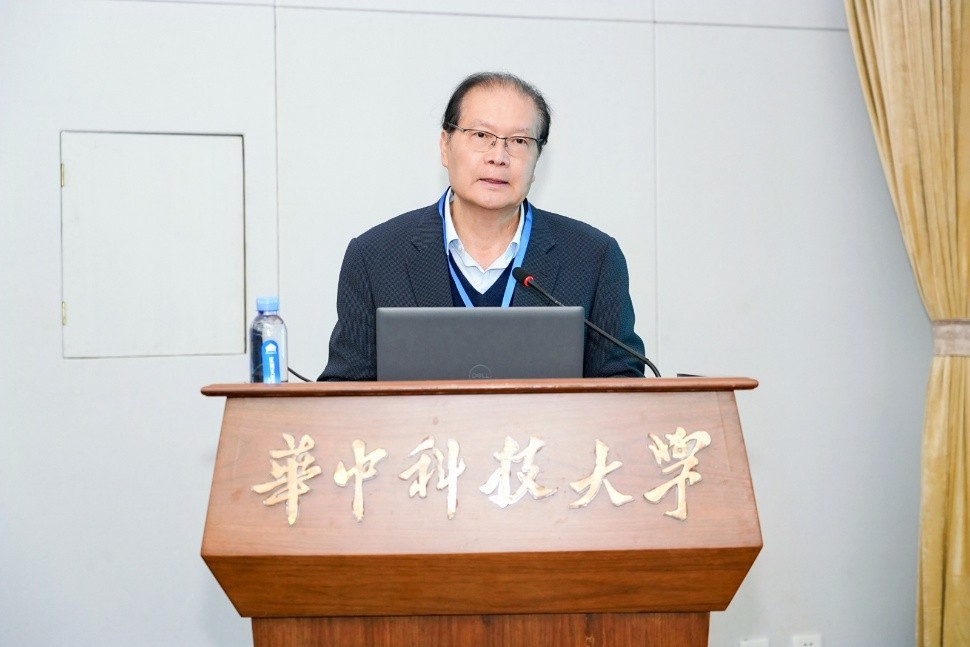
Prof. Ouyang Kang extended warm congratulations and welcome to the domestic and international experts. He emphasized that energy transition is a critical global issue and noted that bringing Sino-Australia cooperation to HUST provides an important platform for promoting green development and achieving China’s goals of peak carbon and carbon neutrality. He stressed that transition is not merely a technical challenge but a profound change in development patterns and civilization.
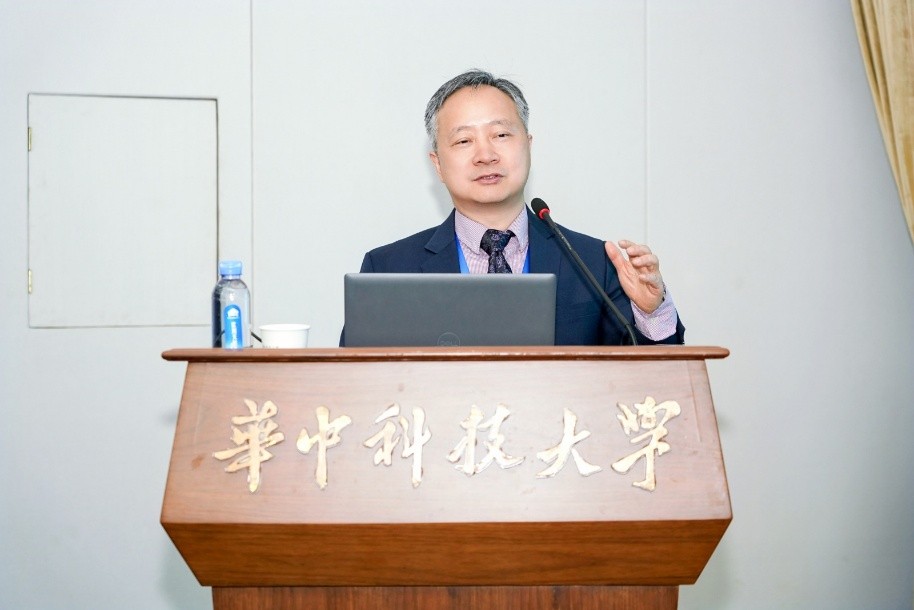
Prof. Xunpeng Shi highlighted the vast potential for collaboration between China and Australia, recognizing China’s global leadership in clean technology. Despite international challenges, he stressed that tackling climate change is a shared human mission. He expressed hope that the forum would facilitate open exchange on technology, policy, and practice, providing valuable policy and action references for bilateral energy transition cooperation.
The forum featured one main keynote session with two halves and a concluding roundtable discussion, hosting over 20 renowned experts.
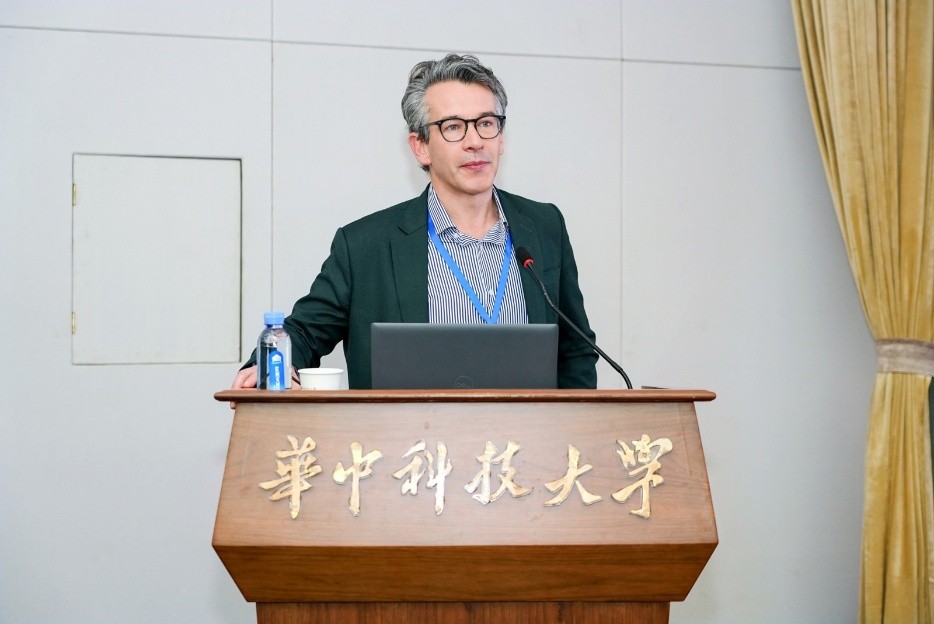
Prof. N. J. Ekins-Dauke (UNSW, Sydney) discussed “Australia & China: A Story of Technological Innovation and Partnership through Solar Photovoltaic Power.” He highlighted China’s immense installation capacity and the crucial role of large-scale market support (Scale Economy) in reducing PV costs, citing successful collaboration between UNSW and Suntech Power. He advocated for “relay innovation centers” to accelerate technology commercialization and called for deepened China-Australia talent cooperation.
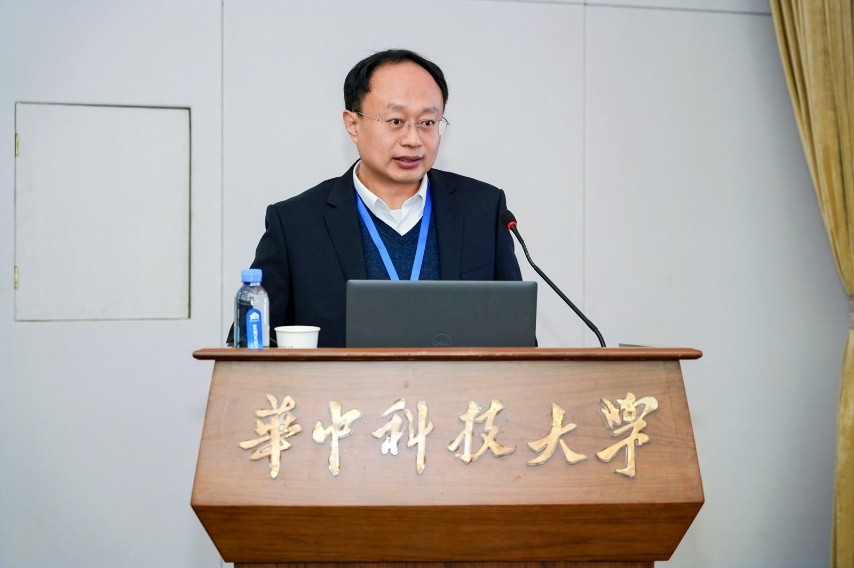
Prof. Ba Yu-kun (HUST) presented on “Virtual Power Plant (VPP) Practices in China.” He explained that VPPs are key to addressing the challenges posed by China’s rapid growth in wind and solar power. He outlined challenges in market rules, technical standards, and cross-provincial operation, proposing a data-driven systemic framework, including Digital Twin technology, as a solution.
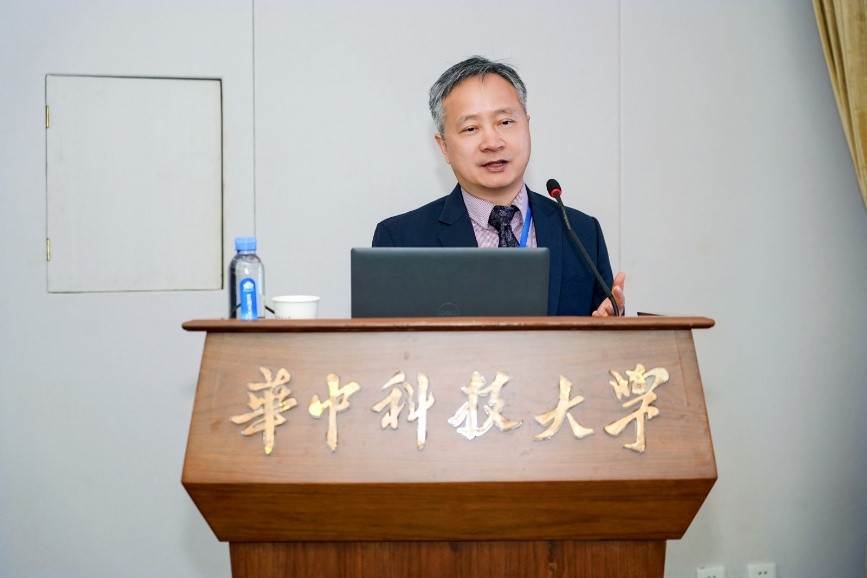
Dr. Xunpeng Shi (UTS/ISET) addressed “‘Future Made Australia’ and Implications for Australia-China Clean-Tech Cooperation.” He noted Australia’s transition from a fossil fuel exporter to a crucial supplier of critical minerals for low-carbon industries. He proposed an “Open Alliance” model for clean-tech supply chain cooperation, leveraging Chinese investment and technology for localized production in Australia and third-party markets.
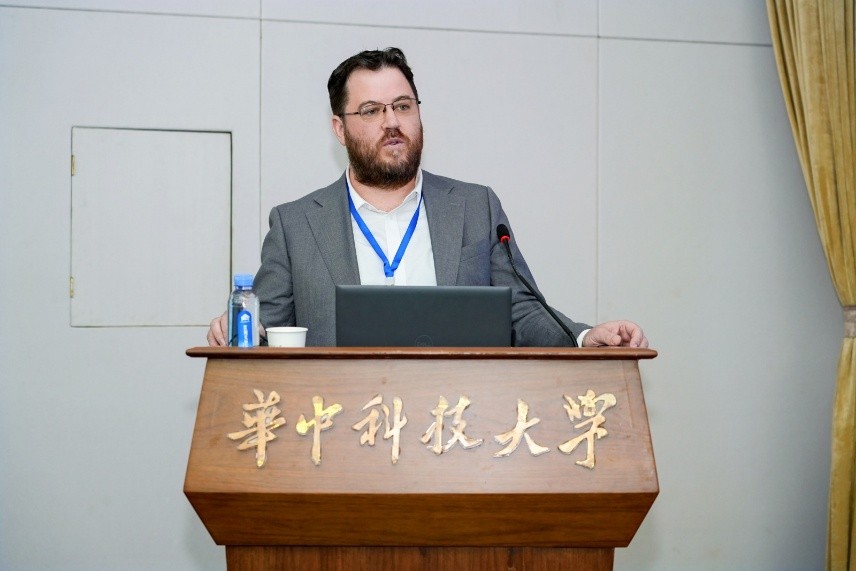
Steven Ducat (Global Chief Advisor, CNEA) presented on “Building the Australia–China Clean Energy Superhighway,” advocating for cooperation beyond trade to system-level learning and joint innovation, particularly in applying China’s ultra-high-voltage (UHV) transmission expertise to upgrade grid infrastructure in Australia and the Asia-Pacific.
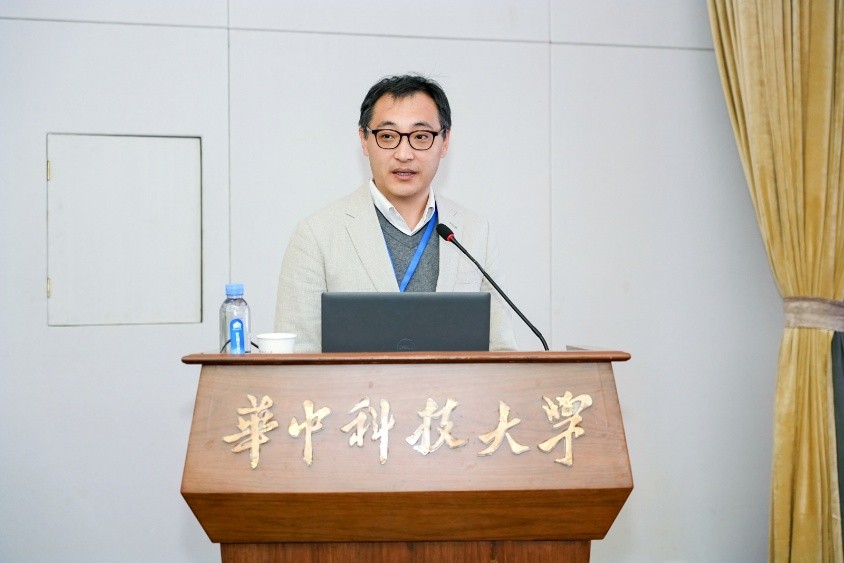
Prof. Sun Yongping (HUST/ISET) discussed “China’s Carbon Market Development towards the 15th Five-Year Plan and Sino-Australia Carbon Market Cooperation.” He emphasized that the national carbon market is a key driver for green transformation. He suggested that China and Australia explore collaboration on full life-cycle carbon accounting and establish low-carbon industrial parks to integrate their complementary advantages.
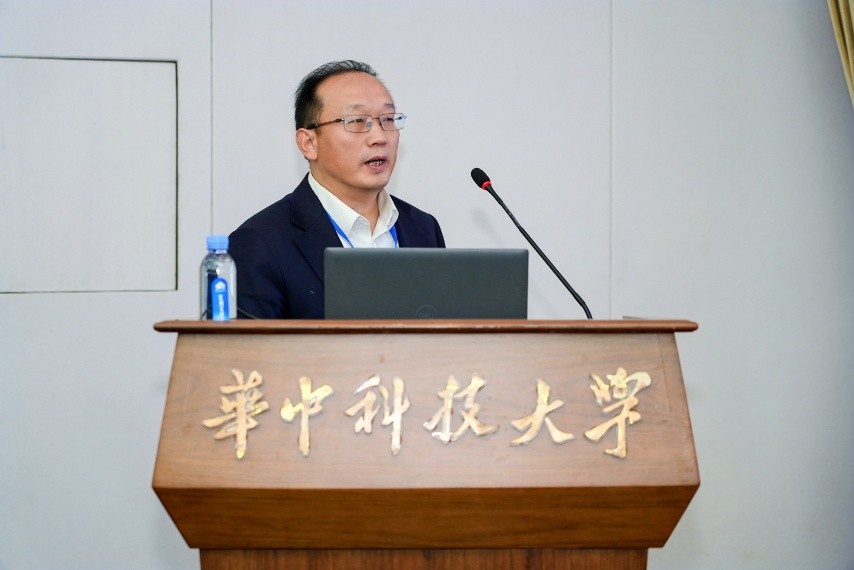
Wang Lingxin (Deputy General Manager, China Carbon Emissions Registration and Clearing Co., Ltd.) highlighted the role of the national carbon market’s core operating institution. He detailed how the market system supports policy making and financial innovation, and how Hubei is leveraging its first-mover advantage to build a regional carbon market and finance hub through a “four-wheel drive” strategy: Leveraging the carbon market as the foundation, the strategy expands into carbon finance, carbon inclusive programs, and the carbon industry.
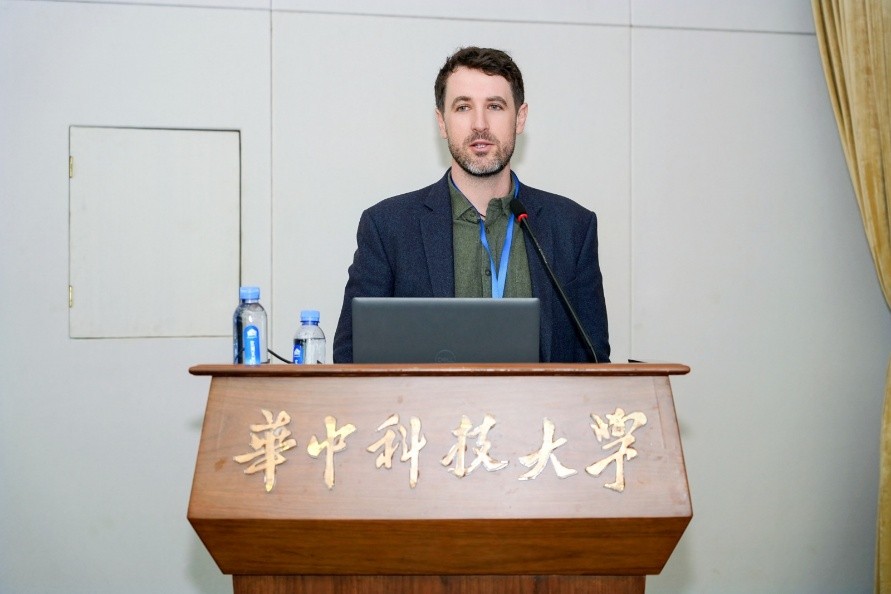
Christopher Wright (Carbon Bridge/Macquarie University) explored “How a global trade coalition could align climate and coal mining interests.” He noted the severe profit squeeze in Australia’s coal industry and the challenge of fugitive emissions. He proposed international cooperation based on supply-side management to ensure stability during the inevitable transition.
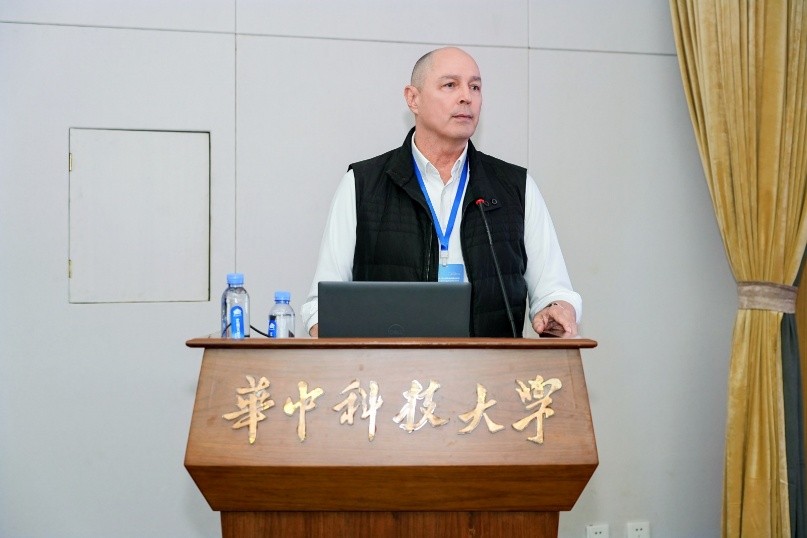
Anthony Coles (Australia China Business Council) focused on “Battery Recycling – A Nature Positive Circular Economy,” advocating for the integration of the circular economy with carbon markets. He proposed an “ESG as a Service” model to monetize deep decarbonization, including zero-carbon factory development and verifiable carbon reduction methodology for voluntary markets.
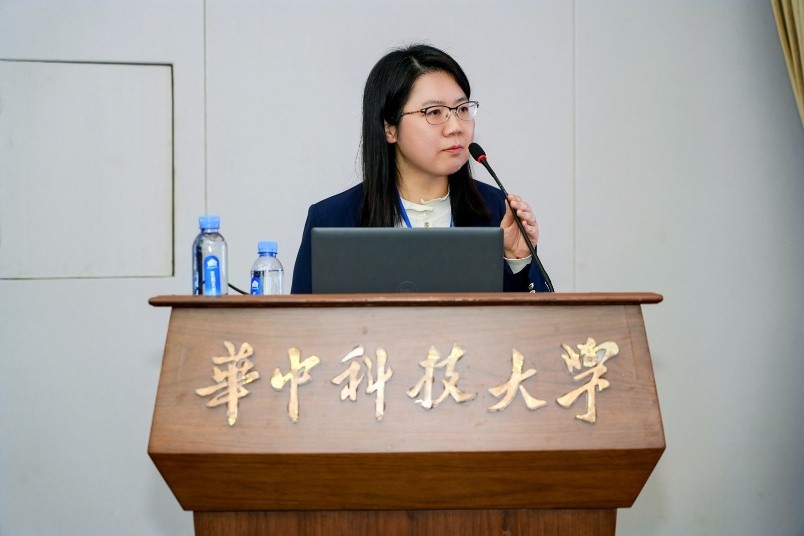
Prof. Yu Pei (Wuhan University of Technology) addressed “Challenges in China’s Hydrogen Industry Development and Sino–Australia Hydrogen Cooperation.” She highlighted Australia’s advantage in low-cost green hydrogen and advanced electrolyzer technology. She suggested that cooperation should focus on efficient matching of China’s market demand with Australia’s low-cost supply, joint R&D, and third-party market investment.
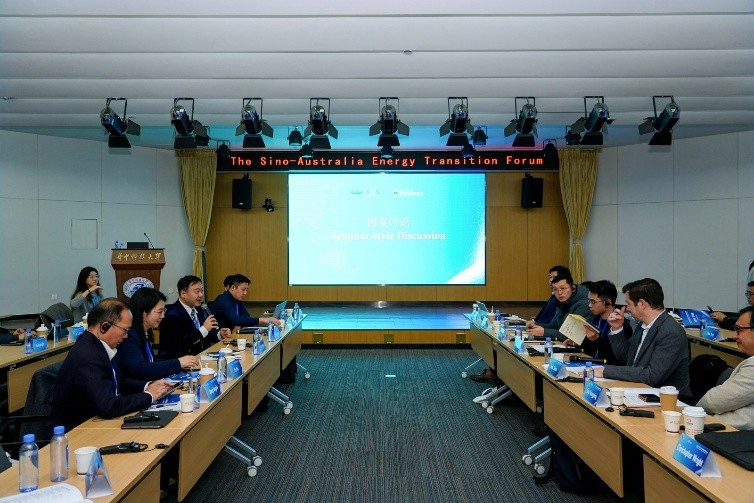
The forum concluded with a roundtable discussion focusing on key transition topics, including green hydrogen storage, cross-border carbon accounting, and battery recycling, featuring representatives from academia, industry, and policy groups.
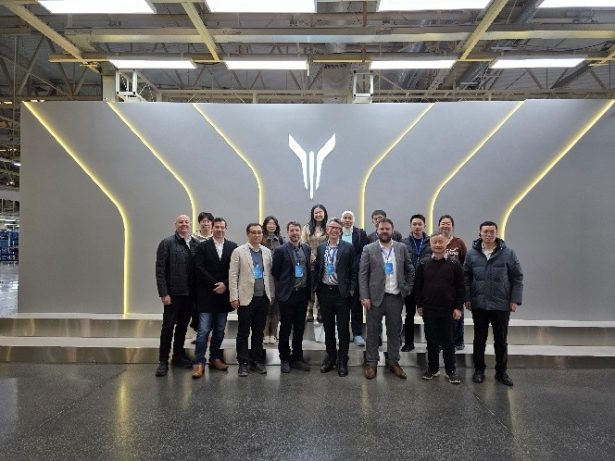
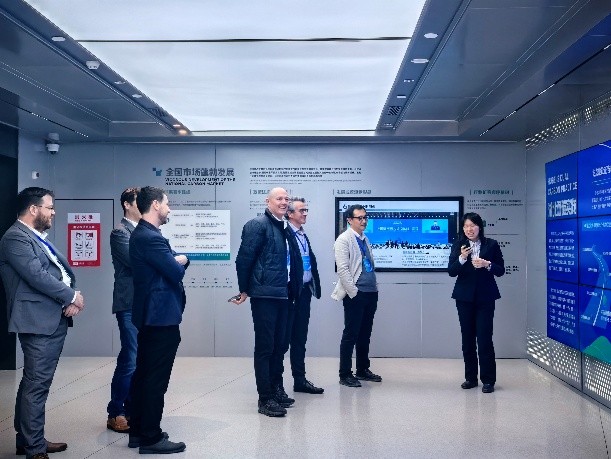
Following the discussion, the Sino-Australia expert delegation conducted field visits to the VOYAH Automobile manufacturing plant to observe intelligent EV production and the China Carbon Emission Registration and Clearing Cooperation Limited to gain firsthand insight into the operation and progress of China’s national carbon market.
The forum successfully deepened academic and policy dialogue, charting a course for practical cooperation in key areas such as the new energy industry, carbon market development, and climate governance.