
The 3rd ISETS-ESCAP & 4th ISETS Global Competition of Youth Voice on Energy Transition
Introduction
The International Society for Energy Transition Studies (ISETS), in partnership with the United Nations Economic and Social Commission for Asia and the Pacific (ESCAP), is pleased to announce the 2026 Youth Voice on Energy Transition Program. Supported by the United Nations Economic Commission for Europe (UNECE) and the United Nations Economic and Social Commission for Western Asia (ESCWA), this initiative aligns with the UN Secretary-General’s commitment to meaningfully engaging young people in dialogue on critical global challenges, including the transition to sustainable energy.
The Program comprises two principal components: the Global Competition of Youth Voice on the Energy Transition (hereafter Youth Voice Competition) and the Youth Dialogue. The Youth Voice Competition invites youth worldwide to present their innovative ideas, technologies, products, projects, and solutions aimed at advancing the energy transition. Winning teams from regional rounds will advance to the Global Final and be invited to participate in youth dialogues and energy-themed sessions held in conjunction with relevant United Nations meetings. Global Final winners may also apply to serve as ISETS volunteers and Youth Ambassadors, gaining opportunities to engage in international exchanges and high-level dialogues.
This arrangement provides a unique platform for youth to engage directly in discussions, observe official UN energy events, and enter into dialogues with officials and policymakers. Going beyond merely engaging young voices, this groundbreaking program seeks to empower them to become part of the global dialogue on energy transition.
The ISETS-ESCAP Global Competition of Youth Voice on the Energy Transition is structured around several core objectives: amplifying youth voices in support of energy transition and green development, fostering actions by young people from diverse backgrounds to engage in the just energy transition, encouraging creativity in the development of new technologies and solutions for energy transition, and facilitating collaboration across borders to combat climate change.
Eligibility
For the 2026 competition year, the eligibility criteria have been updated to encourage diverse team compositions and intergenerational collaboration while maintaining a focus on youth leadership.
- Team Composition: Participants may enter as individuals or in teams.
- Team Size: Teams may include up to six (6) members.
- Structure: There are no external advisors. All responsibilities are borne by the team members. Please note that team members cannot be changed once submitted. If a team member withdraws from the team, an application must be submitted (Members may only be removed, not added.)
- Age Requirement: At least 50% of the team members must be aged 30 or younger (dates of birth ranging from January 1, 1996, to December 31, 2008).
- Gender Balance: To promote inclusivity, each team must include at least one female member.
- Financial Support: Only members aged 30 or younger from the global finalist teams will be eligible for financial assistance to attend the Youth Dialogue and associated events. Female participants will be given priority for financial support.
Tracks
This year’s competition offers two distinct tracks. Each participating team must select ONE track that aligns with the theme of their submission:
- Science, Technology, and Engineering Track
This track is designed for entries that introduce innovative products, cutting-edge technologies, engineering solutions, analytical frameworks, or inventions. Submissions should aim to advance renewable energy development or facilitate the broader energy transition. - Social Science and Other Disciplines Track
This track invites entries addressing topics such as policy analysis, economic frameworks, financial strategies, and other areas relevant to the energy transition. Submissions may explore the societal, institutional, or systemic changes required to support sustainable energy systems.
Submissions can be included, but are not limited to the following types of entries:
- Educational and Awareness Campaigns: Creative and impactful campaigns or programs designed to raise awareness about the importance of the energy transition and how individuals and communities can contribute. These could leverage various media, including social media, to reach a wide audience.
- Social Science Research and Analyses: Data-driven research that provides new insights into the energy transition, including market analyses, policy impact studies, or technological feasibility studies. Submissions could highlight key trends, barriers, and opportunities within the energy transition space.
- Pilot Projects or Case Studies: Documentation and analysis of pilot projects that have been implemented and can serve as a model or inspiration for similar initiatives. These could showcase successful integration of renewable energy sources into existing grids, community-led energy projects, or innovative business models in the energy sector.
- Artistic and Creative Expressions: Projects that use art or creative media to explore and communicate themes related to energy transition, such as installations, performances, or visual art that raise awareness or envision the future of energy.
- New Models or Frameworks: Innovative models or frameworks for energy systems, consumption, distribution, or policy that promote sustainability and efficiency. These could include circular economy models, decentralized energy systems, or novel regulatory and market mechanisms.
- Innovative Action Plans or Solutions: Comprehensive strategies or action plans aimed at facilitating the energy transition at local, regional, national, or global levels. These could address specific challenges such as financing renewable energy projects, increasing public awareness and participation, or overcoming technical barriers to energy access.
- New Products: Technological innovations, product designs or business models that contribute to renewable energy generation, energy storage, energy efficiency, or reduction in energy consumption. Examples could range from solar panels, wind turbines, and battery technologies to energy-efficient appliances and smart grid solutions.
- Technology Applications and Software Solutions: Software, apps, or platforms that support energy transition goals. This could include blockchain for energy trading, AI for optimizing energy consumption, or digital platforms for promoting community-based renewable energy initiatives.
Competition Details
- Membership: All participants must register as ISETS associate members and join the Youth Group on the ISETS website.
- Submission Portal: Entries must be submitted via the ISETS website. The submission portal opens on March 1, 2026.
- Divisions: To ensure balanced regional representation, participating teams will be grouped into divisions based on the UN regionalization scheme.
- Entry Submission: During the divisional stage, participants must submit a written proposal. Shortlisted teams will be required to provide an additional video submission. All entries must follow the provided template and address each selection criterion outlined within it.
- Language Requirement: All submissions must be in English to maintain uniformity and accessibility in this international competition.
- Originality: Submissions must be original and must not have previously won at the divisional or global final of the ISETS-ESCAP Youth Voice Competition.
Important Dates
- 1 March 2026: Registration opens for the 3rd ISETS-ESCAP Youth Voice Competition.
- 15 April 2026: Deadline for the proposal submission.
- 15 June 2026: Announcement of the divisional shortlists and information for video submission.
- 30 June 2026: Deadline for video submissions.
- 31 July 2026: Announcement of the divisional winners and information for global final competition.
- October 2026: Participation in the ISETS-ESCAP Youth Dialogue, which will be held during the 15th International Forum on Energy for Sustainable Development (IFESD-15).
About ISETS
The International Society for Energy Transition Studies (ISETS) is an independent, non-profit organization, dedicated to knowledge sharing and advancing the global dialogue on energy transition and sustainability. It is being operated by a group of volunteers. Registration at www.isets.org as Associate Member is free permanently. Currently, ISETS has more than 2,400 members from 100 countries and regions.
About ESCAP
The United Nations Economic and Social Commission for Asia and the Pacific (ESCAP), established by the Economic and Social Council of the United Nations and having its headquarters at Bangkok, Thailand, is responsible for promoting inclusive, resilient and sustainable development in the region through generating action-oriented knowledge, and by providing technical assistance and capacity-building services in support of national development objectives, regional agreements and the implementation of the 2030 Agenda for Sustainable Development.
We sincerely invite the youth to participate actively and contribute to energy transition. For more details, please visit the official competition website (https://isets.org/youth2026/). For any inquiries, please contact youthvoice_isets@163.com.
Supporters
Participant Guidelines
Submission Requirements
- Inclusivity and Accessibility: Participation in the competition and dialogue is free, with efforts made to ensure diversity, inclusiveness, and broad representation.
- Language: All submissions must be in English to ensure uniformity and accessibility in this international competition.
- Submission Format: Participating teams are required to submit their entries using the provided template, addressing each of the selection criteria outlined within it. They may also attach detailed information as needed. All materials must be consolidated into a single PDF file. Submissions that do not adhere to the provided template will be disqualified.
- Registration: To participate, the corresponding members must first register on the ISETS website and join the Youth Group on the ISETS website (isets.org).
- Video Presentations: For participants invited to submit videos, please ensure your video is in English and includes captions. Your video should contain complete content, a clear structure, and self-consistent logic. The submission guide will be announced in the invitation letter.
- Rights for Use and Publicity: By submitting entries for the competition, including written documents, videos, and other media, participants grant ISETS and other organizing bodies the right to non-commercial use and the publicity of the entries. [Included as a declaration in the Template]
- Content Guidelines: Entries must not contain pornography, violence, or engage in religious, racial, and regional discrimination. Submissions must comply with relevant laws and regulations. Originality is required, and plagiarism is strictly prohibited. Videos should not contain advertisements, watermarks, or logos. All entries must adhere to copyright laws and ensure no intellectual property disputes.
- Participant Information: When submitting entries in the first stage, all group members must accurately provide their dates of birth according to the template instructions. Groups will be disqualified from advancing and from prize eligibility if any participant is found not to meet the age requirements.
Participant Eligibility and Team Composition
The 2026 Competition encourages diverse team compositions and intergenerational collaboration while maintaining a focus on youth leadership. Young thinkers and doers from UN Member States are invited to contribute their ideas towards accelerating the global energy transition.
- Individuals or Small Groups: Participants may enter the competition as individuals or in small groups, with a maximum group size of six (6) people.
- Age Requirement: At least 50% of the team members must be aged 18-30, with dates of birth ranging from January 1, 1996, to December 31, 2008, for the 2026 competition year.
- Gender Balance: To promote inclusivity, each team must include at least one female member.
- Supervisor/Mentor Involvement: There are no external advisors. All responsibilities are borne by the team members.
Selection Criteria
To ensure a comprehensive and impactful contribution to the energy transition, the ISETS-ESCAP Youth Voice on Energy Transition Program has established a detailed set of assessment criteria. These criteria are designed to evaluate the potential of each submission to make a meaningful difference in the global effort toward sustainable energy systems.
The initial submission to the Competition must include an address to the selection criteria (A template will be provided). A detailed document to support the submission is highly recommended:
Screening Criteria (Entries that fail to meet any criteria will not be further assessed)
- Team Qualification: The teams affirm that all members are within the specified age range and hail from UN Member States.
- Impact and Relevance to Energy Transition: Entries must directly address a specific challenge or opportunity within the energy transition including critical mineral development that is essential for the energy transition, demonstrating a clear and thorough understanding of the issue at hand. Submissions should articulate how their proposed solution or innovation has the potential to contribute positively to the energy transition.
Technical Criteria (Submissions NEED to address these criteria)
- Innovation (20 Points): Solutions should showcase originality in approach, methodology, or technology. The assessment will consider how the entry introduces new concepts, ideas, or innovations that stand out from existing solutions.
- Versatility (20 Points): Show versatility for adaptation and describe implementation potential in different scale and different region.
- Sustainability (20 Points): Demonstrate the long-term viability of the solution in terms of environmental, economic, and social factors.
- Impact (20 Points): The expected impact of the solution on the energy transition should be significant and measurable. Entries should provide evidence or projections of how their solution can contribute to reducing carbon emissions, increasing energy efficiency, promoting renewable energy, and addressing environmental and social impacts, among other impact metrics.
- Representativeness (5 Points): Reflects a commitment to diversity and equity within the team composition, including but not limited to: Gender balance; Inclusion of underrepresented groups in terms of ethnicity, disability, and socio-economic background is also encouraged.
For those who are further invited to submit videos or make presentations, the clarity of the presentation will be further assessed.
- Communication (15 Points): The clarity, coherence, and persuasiveness of the presentation of the idea, including how effectively it communicates its value proposition and engages the audience. The shortlist will be based on the total scores out of 100.
These criteria are designed to identify and reward entries that are not only innovative and impactful but also practical and adaptable, reflecting the complexities and scale of the challenge posed by the global energy transition.
Regional Division and Awards System
To ensure a fair and inclusive event, the organizers have established a regional division system and awards criteria based on participation levels.
Division Arrangements
- National Divisions: When the number of participants from a single country exceeds 50, a separate competition division may be established for them. This approach allows us to manage the competition more effectively and ensure participants compete in a more comparable and fairer environment.
- Global Open Division: This division serves as a vibrant and inclusive arena for participants who do not fall within the specific national divisions.
- Others: The organizing committee reserves the right to determine divisions as needed.
Awards System
- Allocation of Awards: Within each division, awards will be allocated based on the effective number of participants. The First, Second, and Third Prizes will account for approximately 20% of the total number of participants.
- Awards Distribution for the Divisions [To be determined]: Awards will be distributed in each division as follows:
— First Prize: Awarded to the top performers, constituting 5% of the total participants in each division. First Prize winners will be invited to participate in the final stage (global competition).
— Second Prize: Awarded to the next tier of performers, comprising the following 5% of total participants.
— Third Prize: Awarded to the subsequent tier, constituting the next 10% of participants.
The ISETS-ESCAP Youth Dialogue in the IFESD-15
Top of Form
At least one representative from each division’s First Prize-winning team, along with other selected representatives who reflect diversity, will be invited to the IFESD-15 for the Youth Dialogue. Here, they will also have the opportunity to observe associated United Nations events. This provides a platform to further amplify their voices and ideas on a global stage.
Selection Process
Division Management
- Registration and Division Allocation: Once the deadline has passed, participants will be allocated to their respective divisions based on their country or region and the overall number of entrants from these areas.
- Competition: Participants will compete within their divisions, with performances or submissions judged according to the prescribed criteria.
- Judging: The Competition Organizing Committee will appoint a division selection committee to manage the logistics and execution of local competitions to identify division winners. Furthermore, each entry must be reviewed and scored by at least three experts. In instances of significant score discrepancies, the Chair will mediate and make a final decision.
Division Selection Process (Tentatively)
The competition progresses through three pivotal stages: Preliminary, Semi-final, and Final. These stages are designed to rigorously evaluate and showcase the best ideas and solutions from young innovators worldwide.
- Preliminary Assessment (Long List): The division selection committee will evaluate the initial submissions, advancing the top 30% of teams (from a total score of 85) from each division to the next stage.
- Multiple Media Presentation: Teams that have passed the Preliminary stage are invited to submit a multi-media presentation (including video, animation, etc.) of up to 4 minutes, further elaborating on their initial submissions.
- Second Assessment (Short List): The division selection committee will shortlist 20% of the total participating teams in each division based on the multiple media presentations (from a total score of 100).
- Division Finalist Live Presentations: The top 20% of participating teams are invited for a live presentation. The division selection committee will determine the division’s First, Second, and Third Prize winners.
Final Stage (Global Competition)
- On-site Presentations: First Prize winners from each division are invited to deliver a comprehensive on-site presentation. If unable to attend in person, winners may coordinate with the organizers to participate online.
- Global Judging: The global selection committee will assess these presentations to determine the Global First, Second, and Third Prize winners of the competition.
- All participants in the final stage (global competition) will be categorized as either first, second, or third-place winners.
Schedule for the 2026 Competition
- 1 March 2026: Registration opens for the 3rd ISETS-ESCAP Youth Voice Competition.
- 15 April 2026: Deadline for the proposal submission.
- 15 June 2026: Announcement of the divisional shortlists and information for video submission.
- 30 June 2026: Deadline for video submissions.
- 31 July 2026: Announcement of the divisional winners and information for global final competition.
- October 2026: Participation in the ISETS-ESCAP Youth Dialogue, which will be held during the 15th International Forum on Energy for Sustainable Development (IFESD-15).
Note: The cutoff time for each date listed above is 24:00 (Australia/Sydney time, GMT+11).
Should you have any questions, please don’t hesitate to contact us at youthvoice_isets@163.com .
ISETS-ESCAP Global Competition of Youth Voice on Energy Transition
Submission Template 2026
Submission Title
Track [Each entry can only be submitted to one track]
Science, Technology, and Engineering Track: This track is designed for entries that introduce innovative products, cutting-edge technologies, engineering solutions, analytical frameworks, or inventions. Submissions should aim to advance renewable energy development or facilitate the broader energy transition.
Social Science and Other Disciplines Track: This track invites entries addressing topics such as policy analysis, economic frameworks, financial strategies, and other areas relevant to the energy transition. Submissions may explore the societal, institutional, or systemic changes required to support sustainable energy systems.
Submission Checklist [Incomplete submissions will not be assessed]
Abstract provided
Screening and technical criteria addressed
Supporting documentation provided (if available)
Declaration form signed
Participant information completed
Age requirement met
Gender balance criteria satisfied
Abstract: (150 words limit) Provide a concise summary of your submission, including its core objectives and potential impact on the energy transition.
Addressing the Screening Criteria
Impact and Relevance to Energy Transition: (300 words limit) Describe the specific challenge or opportunity within the energy transition that your entry addresses and how your proposed solution or innovation can contribute positively.
Addressing the Technical Criteria
- Innovation (20 Points):(300 words limit) Detail the originality of your solution, highlighting new concepts or innovations.
- Versatility (20 Points):(300 words limit) Show versatility for adaptation and describe implementation potential in different scales and different regions.
- Sustainability (20 Points):(300 words limit) Demonstrate the long-term viability of the solution in terms of environmental, economic, and social factors.
- Impact (20 Points):(400 words limit) Provide evidence or projections of your solution’s real-world impact on the energy transition.
- Representativeness (5 Points):(200 words limit) Describe your team’s commitment to diversity and equity.
Participant Information
|
Team Name |
|
|
Major Contact Email |
|
|
Second Contact Email |
|
|
Team Member 1 ( if applicable) |
First Name:
Last Name: Gender: Year of Birth: Institution: Institution Country: Email: |
|
Team Member 2 ( if applicable) |
First Name:
Last Name: Gender: Year of Birth: Institution: Institution Country: Email: |
|
Team Member 3 ( if applicable) |
First Name:
Last Name: Gender: Year of Birth: Institution: Institution Country: Email: |
|
Team Member 4 ( if applicable) |
First Name:
Last Name: Gender: Year of Birth: Institution: Institution Country: Email: |
|
Team Member 5 ( if applicable) |
First Name:
Last Name: Gender: Year of Birth: Institution: Institution Country: Email: |
|
Team Member 6 ( if applicable) |
First Name:
Last Name: Gender: Year of Birth: Institution: Institution Country: Email: |
Team Photo and Slogan
Team Photo: Provide a group photo that includes all members and reflects your team’s spirit and collaboration.
Team Slogan: Provide a captivating and inspiring slogan to represent your team’s vision and mission.
Declaration
1. Team Qualification: By signing below, we, the undersigned, confirm that at least 50% of the individuals listed as members of our team fall within the specified age range (i.e., dates of birth ranging from January 1, 1996, to December 31, 2008) and are legal residents or nationals of United Nations Member States. We also confirm that our team includes at least one female member. We understand that team members may not be changed after the submission has been made. We further acknowledge that providing any false or misleading information may result in disqualification from the ISETS-ESCAP Global Competition of Youth Voice on Energy Transition.
2. Rights for Use and Publicity Consent: By submitting entries for the competition, including written documents, videos, and other media, we, the undersigned, grant ISETS and other organizing bodies the right to non-commercial use and the publicity of the entries. We understand and agree that our submission may be used for the purposes of promotion, education, and dissemination of knowledge related to the energy transition without any form of compensation.
3. Confirmation of Entry Form: Please specify whether the submission represents the original work of the participating member or if it is submitted on behalf of the organization.
Individual Originality Organizational Representation
4. Confirmation of Originality: By signing below, we, the undersigned, hereby confirm that the submission is original and have not previously won at the divisional or global final of the ISETS-ESCAP Youth Voice Competition.
Team Member Signatures:
- Name: Signature:
Date:
- Name: Signature:
Date:
- Name: Signature:
Date:
- Name: Signature:
Date:
- Name: Signature:
Date:
- Name: Signature:
Date:
Click here to download the full template:2026 YV Competition Submission Template
Click here to download the declaration form:2026 YV Competition Declaration Form
Submission Guideline
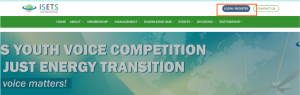
Step 1: Please click on “LOGIN/REGISTER” on this conference website.
Step 2: Please log in to your member portal. If you are new, kindly register for an account. If you have forgotten your password, you may reset it. Your username is the one you selected during registration, but you may also use your email address.
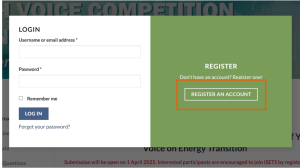
Step 3: You will receive an email at your registered email address—kindly click the link provided in the email to complete your registration.

Step 4: To proceed, click on the “Personal Account” section in the upper right corner of the webpage. Please firstly join the Youth Group by clicking on “Personal Account” section in the upper right corner of the webpage and navigating to “My Groups.”
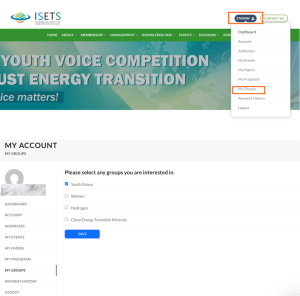
Kindly note that if this is your first time registering, your name may appear as “[Empty Empty]” instead of your actual name. To update it, simply navigate to the “Personal Account” section and click on “ACCOUNT.”
Step 5: Next, navigate to “My Programs,” where you will find “2026 ISETS-ESCAP Youth Voice Competition” under “AVAILABLE PROGRAMS.” Please click “Add Submission” to begin submitting your proposal.
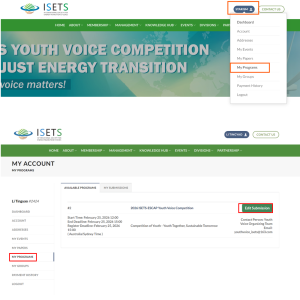
Kindly note that time is Australia/Sydney time.
Step 6: Following the instructions provided to complete your submission. Please note that all application information must be completed online, except for the declaration form. Kindly click here to download the declaration form, ensure it is signed by all team members, and upload the signed file at the Declaration step in addition to clicking to proceed.
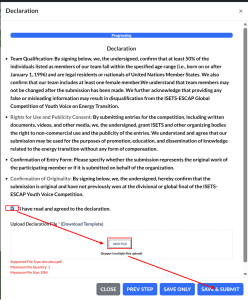
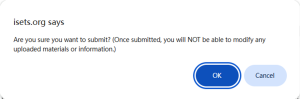
Step 7: Once you have ensured that all required information is complete, please click “SAVE & SUBMIT.” A confirmation window will appear—kindly select “OK” to proceed.
Step 8: You have successfully submitted your proposal when you see the following confirmation message. Please close the window, and you will be redirected to the “AVAILABLE PROGRAMS” page.
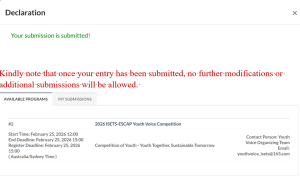
Kindly note that once your entry has been submitted, no further modifications or additional submissions will be allowed.
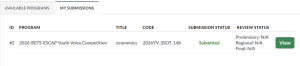
Step 9: If you would like to view your submission, simply click “MY SUBMISSIONS” to check your submission status. By clicking “View,” you will be able to see all the information you provided.
Please do not hesitate to contact us if you encounter any issues: youthvoice_isets@163.com.
Frequently Asked Questions (FAQ) about the Competition
Q & A
Q1: Must all team members come from the same country or school?
A: No, we encourage cross-country, cross-school, and interdisciplinary teams, provided all members meet the age and team size requirements. Teams must select the appropriate regional division based on the regions where members’ institutions are located, in accordance with the UN geographic division.
Q2: Can our mentor/teacher join the team as a member?
A: Yes, mentors or teachers can join as team members. However, at least 50% of the team members must be aged 30 or younger (dates of birth ranging from January 1, 1996, to December 31, 2008).
Q3: How can I register as an ISETS Associate Member? Is there a fee?
A: All participants must register as ISETS Associate Members for free via the ISETS website (www.isets.org).
Q4: Is there a proposal template? What should the proposal include?
A: Yes, all proposals must follow the official template, addressing the evaluation criteria outlined within. Proposals not submitted in the required format may be disqualified.
Q5: How should teams select the appropriate competition track? Can one team submit multiple proposals?
A: Teams must select one track based on their proposal theme (Science, Technology, and Engineering Track or Social Science and Other Disciplines Track). Multiple submissions to different tracks by the same team are not allowed. However, if different members from the same course or group submit proposals on different topics, excessive similarity will be regarded as a single proposal.
Q6: Will participants receive certificates?
A: Yes, all participants who submit a complete proposal will receive an electronic Certificate of Participation by sending a request via email to: youtvoice_isets@163.com. Winners of the regional divisions and the Global Final may obtain an official certificate.
Q7: What should I do if I encounter technical issues during submission?
A: Contact the official email youthvoice_isets@163.com immediately and provide screenshots or error messages as proof. Early submission is strongly recommended to avoid last-minute system congestion.
Q8: Can team members be changed after registration?
A: No. Once the team list is submitted, no changes are allowed. Please confirm all team information before registering.
Q9: What growth opportunities are available for participants?
A: All participants can apply to attend the the 15th International Forum on Energy for Sustainable Development (IFESD-15) in October 2026. Regional division first prize winners will be invited to speak at the Youth Dialogue and may apply for travel grants. Global Final winners will have the chance to become Youth Ambassadors, engaging in international youth activities and forging global collaborations.
Q10: Can previous teams participate again?
A: Proposals that won in the regional division or global final of the previous ISETS-ESCAP Youth Voice Competition cannot be resubmitted. However, the same teams are welcome to submit new proposals.
Q11: Can a participant be affiliated with multiple teams at the same time?
A: Participants are kindly asked to join only ONE team for the competition. Please also note that each team is allowed to submit only ONE proposal.

2026 ISETS Youth Ambassadors (Shortlist Announcement)
Dear applicants and youth partners,
Thank you for your strong interest in the 2026 ISETS Youth Ambassadors Selection Program. Following a comprehensive review and overall assessment, we are pleased to announce the candidates who have passed the initial screening and will proceed to the probationary stage. All shortlisted candidates are winners of the 2025 ISETS-ESCAP Global Competition of Youth Voice on Energy Transition (Global Final). Shortlisted candidates will join as volunteers for the 2026 ISETS-ESCAP Global Competition of Youth Voice on Energy Transition and will be evaluated throughout the probationary period.
- Shortlisted Candidates
- Anthony Adrian Cale from Philippines
- Arfat Jami from Bangladesh
- Augustus Nicko Bas from Philippines
- Mst Fahmida Sultana Naznin from Bangladesh
- Tania Callista from Indonesia
- Probationary Arrangement
All shortlisted candidates will enter the probationary stage as volunteers for the 2026 ISETS-ESCAP Global Competition of Youth Voice on Energy Transition (https://isets.org/youth2026/), providing support for competition preparation and implementation (including, but not limited to: event coordination, communications, content support, and on-site assistance).
- Evaluation & Next Steps
During the probationary period, the Youth Organizers will conduct an overall assessment based on candidates’ engagement, sense of responsibility, teamwork, and performance. The evaluation results will serve as a key reference for the subsequent formal appointment of Youth Ambassadors.
Thank you again for your commitment. We look forward to working with you to advance youth innovation and collaboration for energy transition and climate action, and to shape a more sustainable future together.
2026 ISETS Youth Ambassadors
Empowering Youth Leaders, Leading the Energy Future!
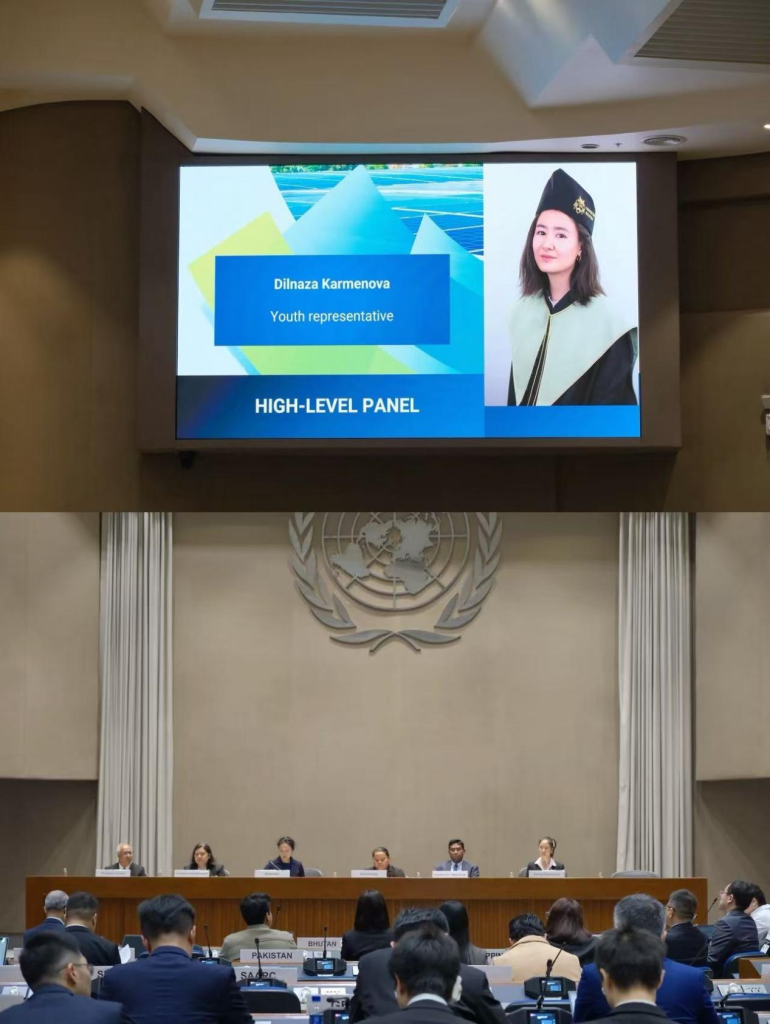
Dilnaza Karmenova, a second-prize winner of the 2024 Youth Competition, spoke on 3 September 2025 at the High-Level Panel on “Transforming Energy Systems for a Just and Sustainable Future” during the 4th Committee Meeting on Energy. She joined cabinet-level dignitaries, including the Secretary from the Federated States of Micronesia.
She called for greater youth leadership, stating:
“Ultimately, it is we—and the generations to come—who will inhabit this planet. It’s time to take our future into our own hands and shape the transition, not as bystanders, but as active partners in building a sustainable future.”
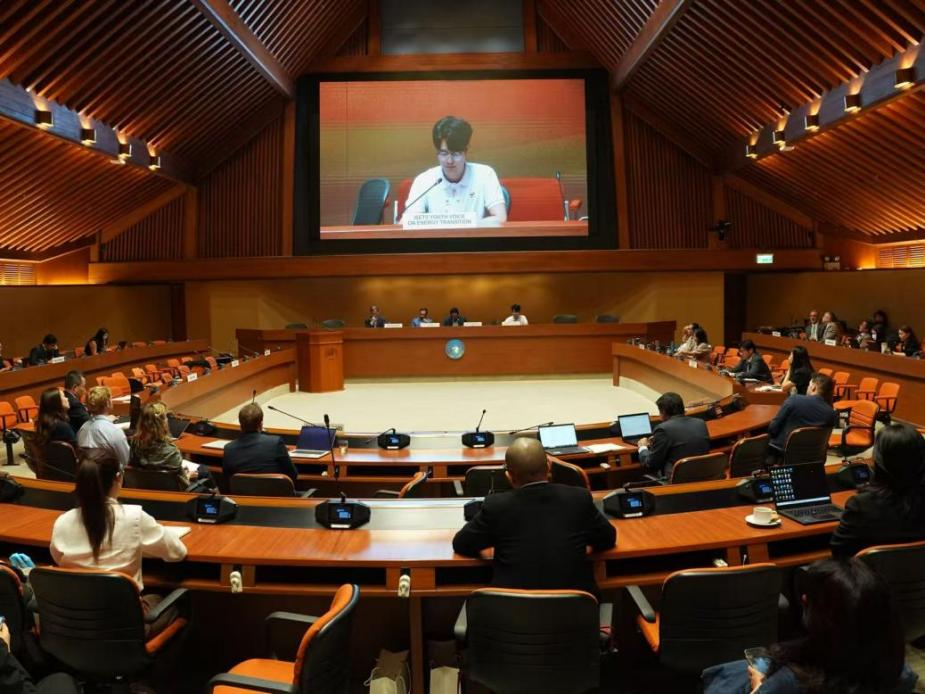
Xingyu Chen, a former competition finalist and now a core volunteer with the 2024–2025 Youth Voice organizing team, spoke on 5 September 2025 at the Asia-Pacific Commemoration of the 6th International Day of Clean Air for Blue Skies, held during the 4th Committee Meeting on Energy. He emphasized the connection between vegetation-based carbon sinks and clean air.
He also shared how the program fosters youth-led innovation in clean energy and climate solutions, stating:
“We firmly believe that youth can drive real change. We support one another, push each other forward, and demonstrate what young people can achieve.”
To inspire a sense of social responsibility and innovation among young people and promote collaboration and exchange among youth worldwide, we are officially launching the 2026 ISETS Youth Ambassadors Selection Program. As a global representative of the ISETS Youth Network, you will have the opportunity to voice your ideas on international stages, drive innovative solutions, and collaborate with top global experts, policymakers, and youth leaders. Whether you are a young researcher in the energy sector, a community activist, or a climate policy advocate, if you are passionate about energy transition, we welcome your application!
Ⅰ. Organization Overview
The ISETS Youth Network for Energy Transition and Climate Action (ISETS Youth) is a global platform that empowers young leaders to contribute actively to the global energy transition and climate action efforts. The network encourages collaboration, innovation, knowledge-sharing, and leadership development among youth committed to addressing global energy and climate challenges.
The ISETS Youth Committee leads the network, guiding its strategic direction and playing a hands-on role in implementing youth-led initiatives. Supported by the ISETS Youth Secretariat, under the leadership of the Deputy Secretary for Youth Engagement, the Committee ensures that youth voices are integrated into global discussions on energy transition and climate action.
Ⅱ. Leadership Structure
ISETS Youth Committee
The ISETS Youth Committee is the main leadership body of the ISETS Youth Network, responsible for both strategic direction and implementation of the network’s activities. The Committee consists of youth leaders elected from different regions, with operational and logistical support from the ISETS Youth Secretariat.
ISETS Youth Secretariat
The ISETS Youth Secretariat operates under the leadership of the Deputy Secretary for Youth Engagement and provides essential support to the Youth Committee. The Secretariat manages day-to-day operations, organizes events, and facilitates communications to ensure the smooth functioning of the network.
III. Eligibility
1.Competition Performance: Participated in the 2025 ISETS-ESCAP Global Competition of Youth Voice on Energy Transition and achieved a Prize in the Global Final, or served as a volunteer (Especially outstanding volunteers) for the 2024 & 2025 competition.
2.Professional Background: At least one year of practical experience in energy transition or climate action.
3.Language Proficiency: Strong English communication skills (written and oral).
Ⅳ. Experience and Competency Requirements
1.Leadership: Demonstrated organizational and leadership skills; prior roles as a youth organization leader, community project initiator, or youth representative at international conferences.
2.Social Engagement: Experience in social initiatives or volunteer services.
3.Innovation: Creative thinking and problem-solving abilities; publications, patents, or awards in energy transition, climate action, or related fields.
4.Preferred Qualifications: Participation in international initiatives (e.g., UNFCCC, IPCC) or interdisciplinary collaboration (e.g., projects combining technology and policy).
Ⅴ. Key Responsibilities
1.Represent ISETS Youth at international forums and events, such as the UN ESCAP Youth Dialogue and ISETS Annual Conference.
2.Advocate for youth involvement in global energy policy discussions.
3.Collaborate with the Youth Committee on global outreach and advocacy efforts.
4.Serve as a volunteer for the 2026 ISETS-ESCAP Global Competition of Youth Voice on Energy Transition, supporting the youth organizers in event coordination.
Ⅵ. Application Process
1.Submission: Send all application materials to youthambassador1@163.com by January 23, 2026.
2.Screening and Assessment: Shortlisted candidates will enter a probationary period as volunteers for the 2026 ISETS-ESCAP Global Competition of Youth Voice on Energy Transition.
3.Evaluation: Performance during the probationary period will be assessed by the youth organizers.
4.Final Appointment: After the 2026 ISETS-ESCAP Global Competition, candidates are required to formally apply for the Youth Ambassador position. Final appointments will be made by the ISETS Executive Committee during the ISETS Annual Conference, in consultation with the Youth Committee. (As the Youth Committee is yet to be set up, the Executive Committee will complete this step independently for this year.)
VII. Application Materials
Please submit a compressed folder named “[Youth Ambassador Application-Applicant’s Name]” to youthambassador1@163.com with:
- Completed application form (ISETS Youth Ambassador Application Form).
- Detailed resume highlighting experience and expertise.
- Recommendation and signature from at least one youth organizer. (Please send the completed application form to youthorganizer@163.com for youth organizers’ recommendation. Six youth organizers will sign in the “Youth organizer recommendation” section of the forms of the applicants they recommend, with each recommending 3 candidates at most.)
- A 500-word plan outlining your promotional strategy during the probationary period and post-appointment goals.
- Supplementary materials (certificates, awards, etc.).
VIII. Selection Process
Youth Ambassadors are appointed after the Youth Voice Competition by the ISETS Executive Committee, in consultation with the Youth Committee, based on their achievements in the competition or demonstrated leadership in youth advocacy.
Ⅸ. Important Dates
- Application Opens: December 20, 2025
- Application Deadline: January 23, 2026
- Shortlist Announcement: January 31, 2026
- Probationary Period (Volunteer Role): February–September 2026
- Candidates’ Formal Application Submission: September 1, 2026
- Youth Ambassadors Announcement: September 30, 2026
Ⅹ. Tenure Assessment and Advancement
1.Term and Assessment: One-year tenure with annual performance review by the ISETS Executive Committee and submission of an annual work report upon completion of the tenure. Successful candidates may apply for renewal.
2.Youth Committee Eligibility: Youth Ambassadors completing a successful term may apply to join the Youth Committee. Those who are approved to join the Youth Committee will be eligible to run for the positions of Chairperson and Vice – Chairperson.
3.Retirement: Automatic exit from the committee and ambassadorship at age 35.
Join us in shaping a sustainable future!
STEERING COMMITTEE
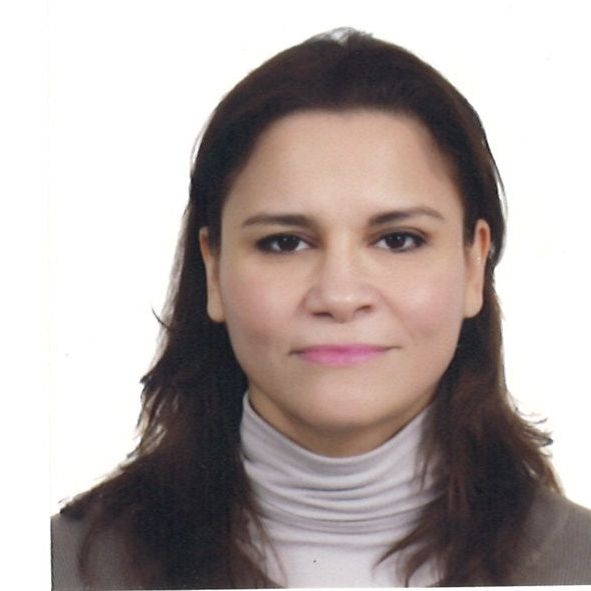
Radia SEDAOUI
Chief Energy, UN Economic & Social Commission for Western Asia
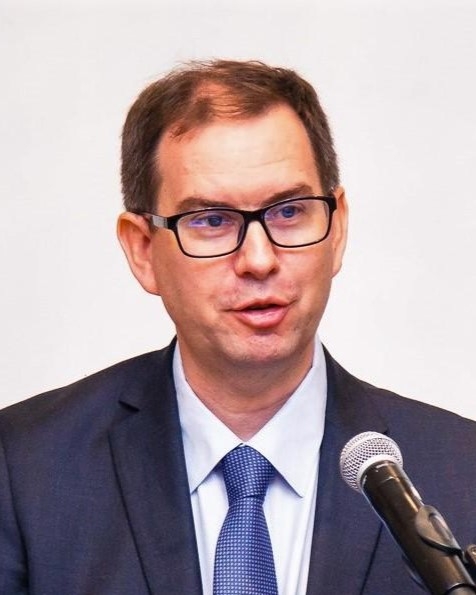
Michael WILLIAMSON
Section Chief, Energy Division, Economic and Social Commission for Asia and the Pacific
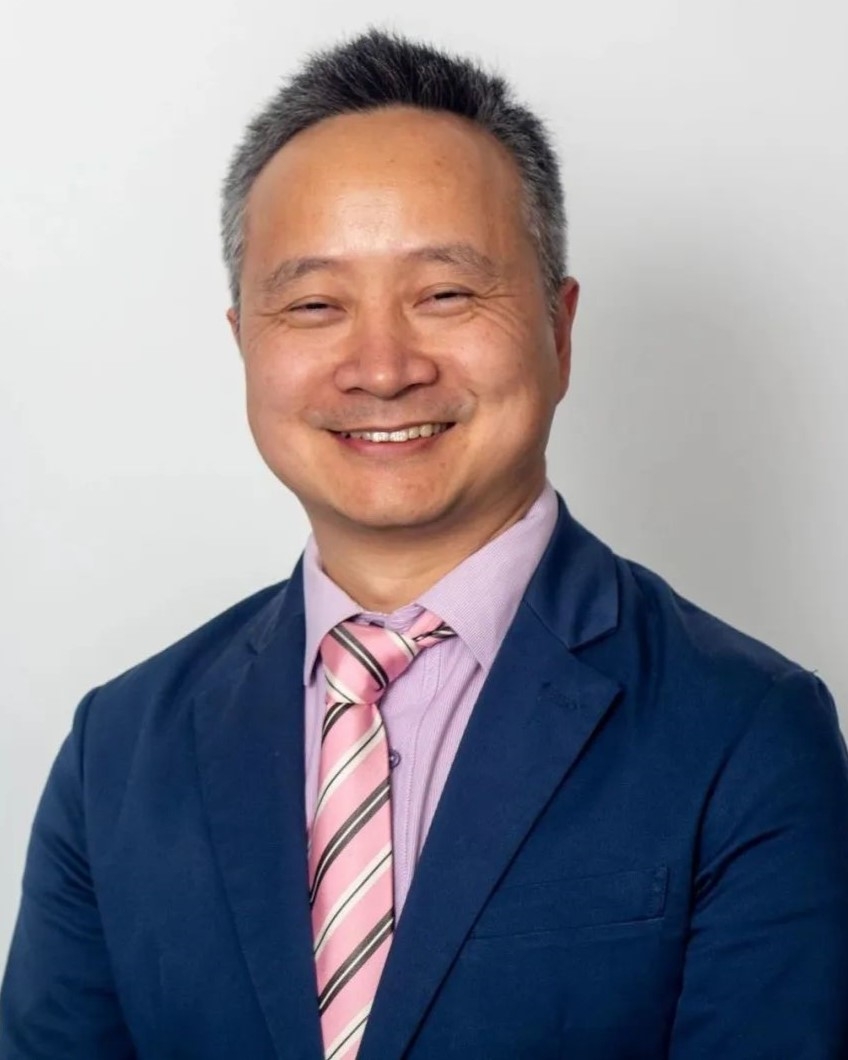
Xunpeng SHI
President, International Society for Energy Transition Studies . Professor, University of Technology Sydney, Australia
OGRANIZING COMMITTEE

Muyi YANG
Secretary, International Society for Energy Transition Studies . Senior Researcher, Ember

Chin-Hsien YU
Deputy Secretary, International Society for Energy Transition Studies. Professor, Southwestern University of Finance and Economics
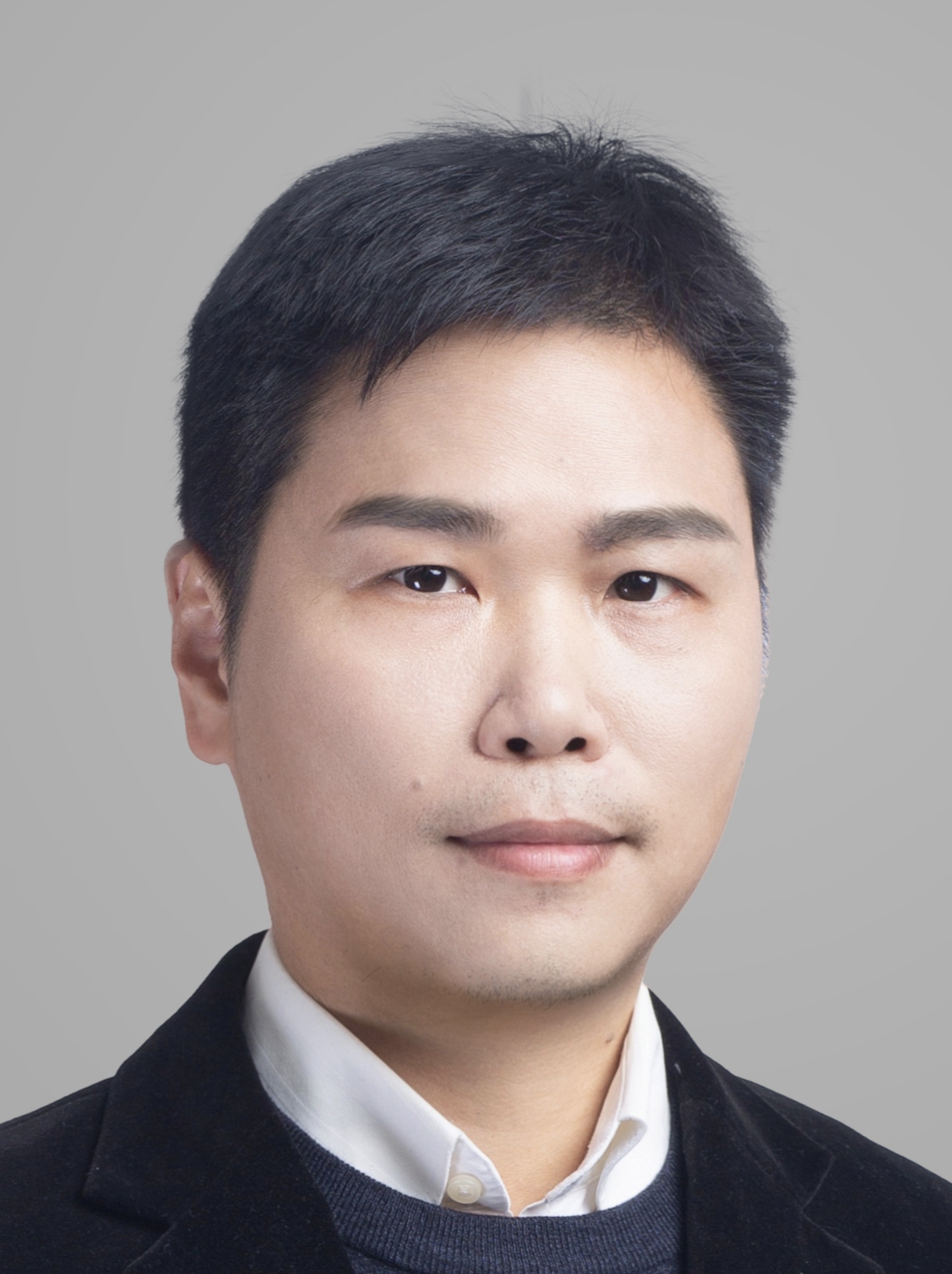
Huanxiu GUO
Coordinator, International Society for Energy Transition Studies. Associate Professor, Nanjing Audit University
YOUTH ORGANIZERS

Xingyu CHEN
Ph.D. Candidate at SWUFE. Majoring in Energy Economy and Environmental Policy at School of Public Administration. ISETS Youth Ambassador.
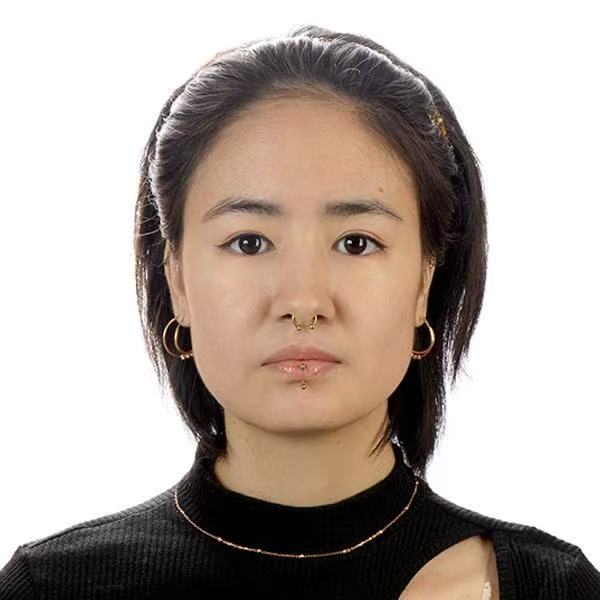
Karmenova DILNAZA
Tax and Legal Consultant BPS at Deloitte DKU. Alumna of Debrecen University in Hungary. ISETS Youth Ambassador.

Yi FU
Ph.D. Student at SWUFE. Majoring in Economic History at School of Economics. Secretariat Assistant, ISETS.
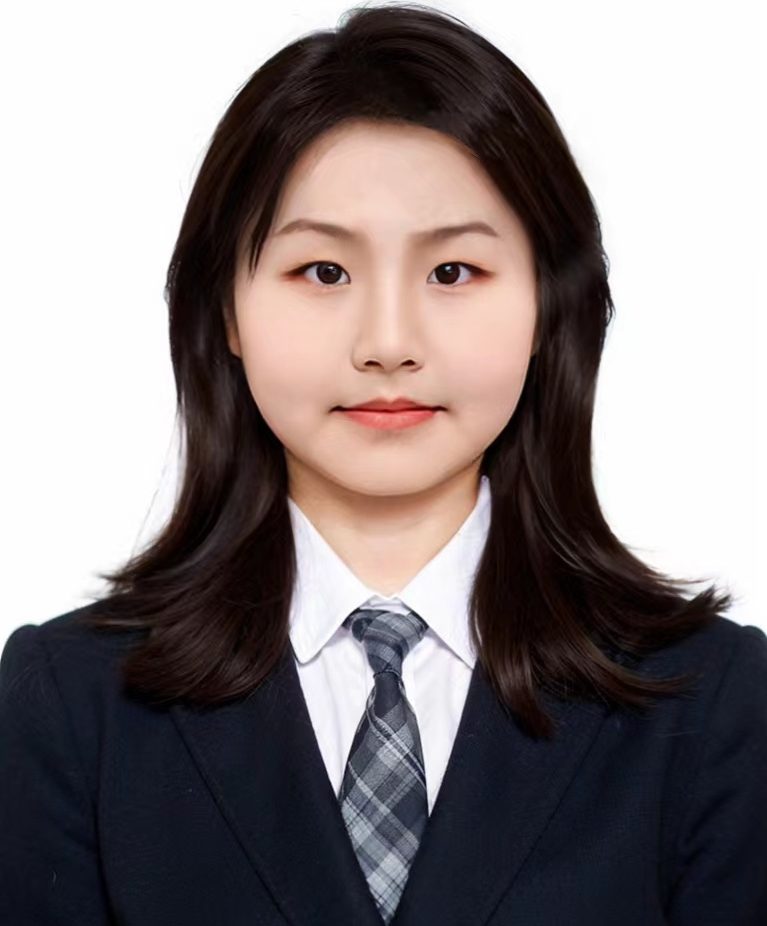
Xinrui LI
Ph.D. Candidate at SWUFE. Majoring in Development Economics at School of Economics. Secretariat Assistant, ISETS.
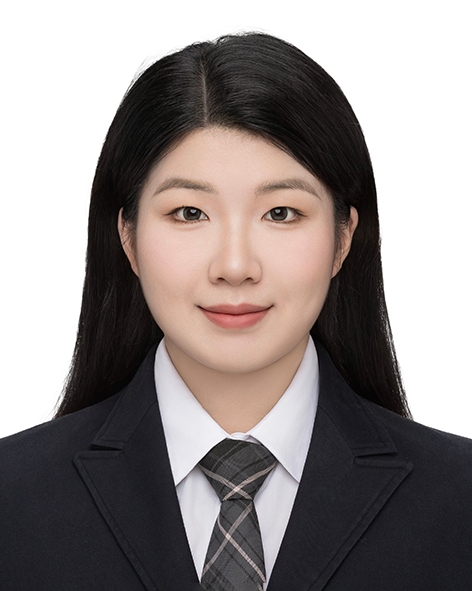
Miaomiao LIU
Ph.D. Student at SWUFE. Majoring in Public Economics at School of Public Administration. Secretariat Assistant, ISETS.

Yingyi SHI
Ph.D. Student at SWUFE. Majoring in Development Economics at School of Economics. Secretariat Assistant, ISETS.
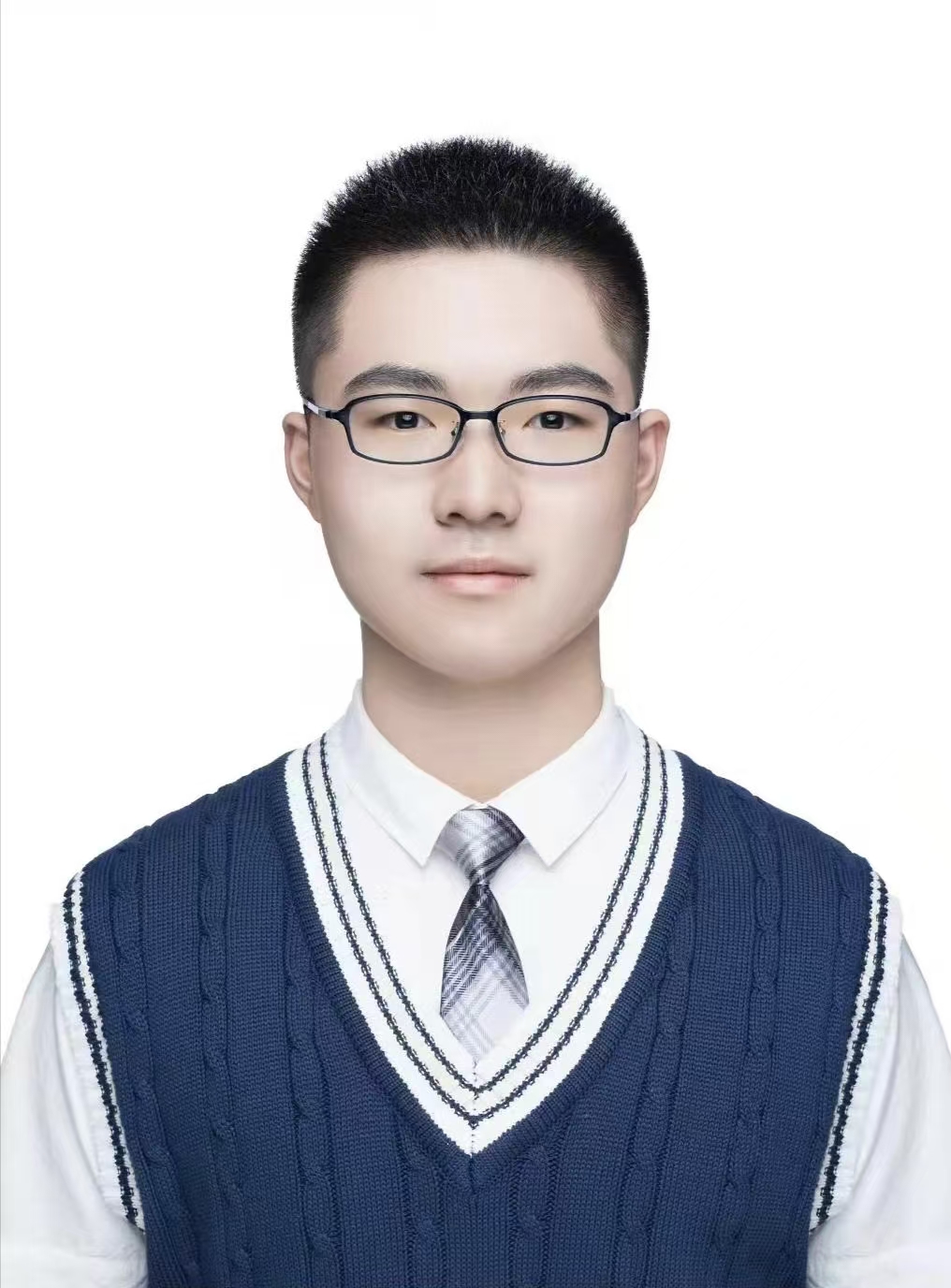
Jihao YANG
Undergraduate at Nanjing Audit University. Majoring in Finance at Institute of Economics and Finance. Secretariat Assistant, ISETS.
Call for Partners: The 3rd ISETS-ESCAP & 4th ISETS Global Competition of Youth Voice on Energy Transition and Youth Dialogue
The Global Competition of Youth Voice on Energy Transition is an international event jointly launched by the International Energy Transition Institute (ISETS) and the United Nations Economic and Social Commission for Asia and the Pacific (UNESCAP), aiming to inspire young people to actively engage in energy transition. For more information about the competition (https://isets.org/youth2026/), please visit the ISETS official website (www.isets.org) or follow the ISETS LinkedIn account.
Overview of Key Highlights of the Competition
- Multi-dimensional tracks, all-round development: The competition invites young people from around the world to showcase their ideas, technologies, products, projects and solutions in the field of promoting energy transition. Any solution that drives energy transition, such as creative design, technology research and development, business model, policy advocacy, etc., is eligible to participate.
- Global Competition, Youth Voice: The regional winners will advance to the global finals and be invited to participate in the Youth Dialogue held during the United Nations Energy Theme Conference and events. In addition, the winning teams of the global finals can also apply to become ISETS Youth Ambassadors to participate in various international youth activities.
The 2026 event will kick off in late February 2026. In addition to being hosted by ESCAP, this year’s event is also supported by the United Nations Economic Commission for Europe (UNECE) and the United Nations Economic and Social Commission for Western Asia (UNESCWA). The global finals and the Youth Dialogue will be an important part of the 15th International Forum on Energy for Sustainable Development (IFESD-15). The forum, co-hosted by five regional commissions under the United Nations Economic and Social Council, is scheduled to take place in October 2026.
Partner Recruitment
We sincerely invite organizations to join ISETS and work together to advance the global energy transition. This year’s event welcomes partners to jointly design and host a series of thematic forums, seminars or showcases on energy innovation, industrial transformation, digital empowerment and youth participation. We will provide our partners with international communication support and the platform to showcase their achievements, in order to promote the sharing of quality experiences, cross-regional collaboration and multi-party resource integration, and to help the global energy transition move towards a greener, more inclusive and sustainable direction.
Secure Your Partnership Today!
Any organization interested in cooperation is invited to send a letter of intent to isets@isets.org by February 28, 2026.
Let’s join hands to empower young people, drive the global energy transition and build a sustainable future together!
Schedule Nodes
- 28 February 2026: Deadline for submission of Letters of Intent (Partner Application)
- 1 March 2026: Registration beginning for the third ISETS-ESCAP Global Youth Voice Competition on Energy Transition
- March 31, 2026: Deadline for submission of written documents
- May 31, 2026: Announcement of the regional competition shortlist and video submission information
- June 15, 2026: Deadline for the video submission
- July 15, 2026: Announcement of winners of the regional competition and information about the global finals
- Late October 2026: The winning team will be invited to participate in the ISETS-ESCAP Youth Dialogue and related activities during the 15th International Forum on Energy for Sustainable Development